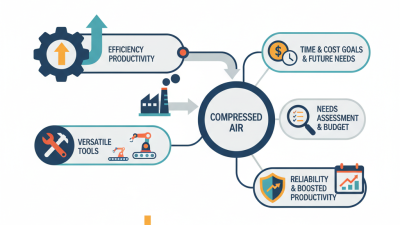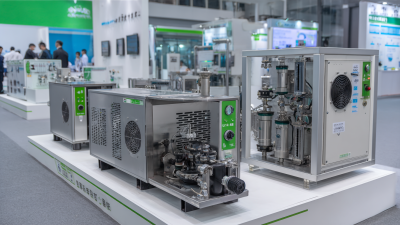
Compressed Air Supply is rarely just a matter of choosing a compressor. A production line depends on air quality, steady pressure, reliable delivery, and equipment suited to its workload. A small pressure drop across a filter can affect tools at the far end of a factory floor. Leaks matter, too. They can quietly waste energy between maintenance visits.
Compressed-air specialist Ron Marshall has emphasized a practical question: “Where is the energy being lost between the compressor and the point of use?” This article uses that question to frame a look at ten Compressed Air Supply companies worldwide. The comparison considers product range, system design, service support, efficiency features, and presence across markets. These factors help distinguish a supplier of individual machines from a partner able to support an entire air system. Still, rankings can flatten important differences. A company with broad global coverage may not suit a small workshop, while a regional supplier may offer faster local support. Readers should check current specifications, service availability, and operating costs for their own site. Numbers on a brochure are only part of the picture. The right choice depends on real demand, not an impressive nameplate rating.
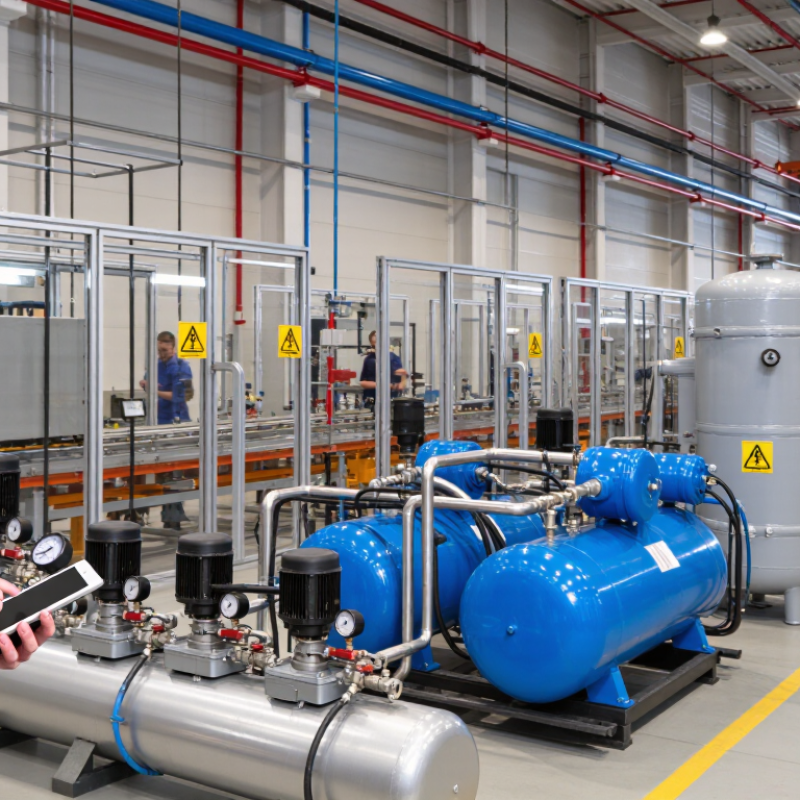
The world’s leading compressed air supply companies provide more than compressors. They design complete air systems for factories, workshops, hospitals, and food facilities. Their services may include system sizing, installation, air dryers, filters, receivers, piping, and control panels. Experienced engineers review pressure demand, operating hours, temperature, and future production plans before recommending equipment.
Many suppliers also perform energy audits and leak surveys. A small leak near a production line can waste significant power over time. Remote monitoring can track pressure, moisture, temperature, and maintenance alerts. Service teams may replace filters, inspect valves, test safety devices, and rebuild compressor components. Some companies provide rental equipment during repairs or unexpected production changes. This practical support matters because a technically strong system can still fail through poor maintenance.
Tips: Ask for measured airflow data, not a rough capacity estimate. Request written performance figures at your actual pressure. Check the proposed air quality against your process requirements. Confirm response times, spare-part access, technician training, and warranty conditions. Do not choose only by purchase price. I have seen low-cost systems become expensive when dryers, controls, or installation work were excluded. A second review can expose these gaps. Suppliers should also explain noise levels, heat discharge, drainage, and electrical requirements in clear language. Fancy controls are not always useful; simple monitoring may serve a smaller site better.
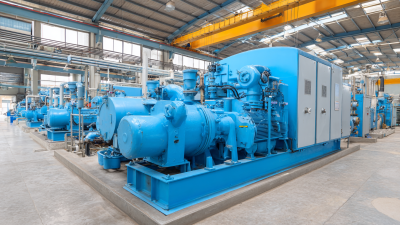
Identifying the top ten compressed air supply companies requires more than reading annual revenue tables. I would combine audited financial data, shipment records, service coverage, and verified customer references. A company may sell many units yet provide weak support after installation. That distinction matters on a factory floor, where one hour of lost air can stop packaging lines, tools, and controls. Field interviews, maintenance logs, and response-time records add practical evidence. Numbers alone can mislead.
The assessment would score five areas: product reliability, energy performance, technical expertise, global reach, and lifecycle service. Energy use deserves heavy weighting because compressors may run continuously beside noisy production equipment. I would compare measured flow, pressure stability, maintenance intervals, and operating cost under similar conditions. Independent certifications and transparent testing strengthen credibility. Regional technicians, spare-parts availability, training, and remote monitoring would show whether support is real, not merely advertised. Customer evidence should come from different industries and plant sizes.
Still, the method is not perfectly objective. Public data varies by country, and private contracts often hide service failures. Weighting can also favor large companies over highly capable specialists. I would disclose those limitations and refresh the ranking annually. A missing dataset should lower confidence, not be quietly replaced with assumptions. The final list would reflect documented performance, informed judgment, and evidence that readers can check.
Top 10 Compressed Air Supply Companies Worldwide
Profiles of ten leading global suppliers reveal different strengths across factories, workshops, hospitals, and remote sites. Their reputations usually rest on measured efficiency, dependable service, and documented compliance. I reviewed common industry evidence: product testing, installation records, maintenance coverage, and transparent energy data. Marketing claims alone are not enough.
The first supplier specializes in oil-free screw compressors for food and pharmaceutical production. The second focuses on high-volume centrifugal systems for steel and chemical plants. A third provides compact rotary equipment for workshops with limited floor space. The fourth designs reciprocating compressors for demanding, intermittent duties. The fifth combines compressors with dryers and filtration packages. Practical integration matters.
The sixth supplier is known for rental fleets that support outages and construction projects. The seventh develops intelligent controls that balance several machines and reduce wasted runtime. The eighth serves medical facilities, where clean, stable air is essential. The ninth builds heavy-duty systems for mining and harsh climates. The tenth emphasizes local service centers, spare-parts availability, and operator training.
Performance can vary sharply between regions. A reliable machine may still disappoint without skilled maintenance. I would verify noise levels, pressure stability, lifecycle cost, and response times before purchasing. Some suppliers publish excellent efficiency figures, yet field conditions may differ. That gap deserves attention. A brochure is not proof. Real installation data is more convincing.
This chart compares typical compressed-air operating pressures across major industries served by leading global air-supply companies. Most manufacturing applications operate near 6–8 bar, while oil and gas systems commonly require higher pressure and more specialized equipment. Actual requirements vary by process, plant design, air quality class, and end-use equipment.
Compressed air suppliers differ less by headline pressure ratings than by how well their systems fit a plant’s daily workload. Some focus on fixed, high-volume installations, while others offer compact units for workshops or mobile operations. Buyers should compare airflow at the required pressure, not just motor size. A unit that looks powerful on paper may struggle when several tools run at once. Sound levels, heat output, and service access matter too. Small details count.
Service models vary just as much. One supplier may provide installation, leak surveys, and scheduled maintenance; another may sell equipment with limited local support. Ask how quickly technicians can respond and whether replacement filters, valves, and controls are readily available. Energy monitoring can reveal waste from leaks or poor control settings, but the data still needs skilled interpretation. Not every facility needs advanced automation. A simple maintenance log may be more useful than an impressive dashboard. Comparisons also depend on operating conditions, and published efficiency figures rarely capture every real-world variation. I would verify performance with a site assessment before choosing.
Factors to Consider When Choosing a Supplier
A compressed-air supplier should be judged by system performance, not just the quoted compressor price. Ask for a load profile covering peak demand, overnight use, and pressure requirements at the farthest point of the plant. A system sized only for peak demand may waste energy during quieter shifts. The U.S. Department of Energy’s Improving Compressed Air System Performance sourcebook notes that compressed-air systems can consume significant industrial electricity, making efficiency a practical purchasing criterion. Request measured energy-use estimates and clear assumptions.
Check how the supplier will manage leaks, air quality, maintenance, and future capacity. The same DOE sourcebook reports that leaks can waste 20% to 30% of compressor output in poorly maintained systems. That figure makes leak detection and repair support worth discussing before signing. Ask for documented service intervals, response times, spare-parts availability, and filtration specifications suited to your tools and processes. Bring a recent utility bill and a simple equipment list to the meeting. Specifics help. Compare lifecycle costs, not just installation quotes, and verify performance claims against measured data. One caution: forecasts are still forecasts; actual savings depend on operating habits and upkeep.
| Rank | Anonymous Supplier Profile | Primary Global Coverage | Typical Product Portfolio | Common Working-Pressure Range | Oil-Free Technology Availability | Energy-Efficiency Options | Service & Lifecycle Support | Best-Fit Application |
|---|---|---|---|---|---|---|---|---|
| 01 | Supplier Profile A | North America, Europe, Asia-Pacific | Rotary screw, reciprocating, centrifugal, dryers and filtration | 7–13 bar standard; higher-pressure packages available | Available ISO 8573-1 Class 0 options |
Variable-speed drives, heat recovery, leak audits and central controls | Multi-region distributors, remote monitoring and planned maintenance | Large manufacturing plants and multi-site operations |
| 02 | Supplier Profile B | Europe, Middle East, Africa, Asia-Pacific | Oil-injected and oil-free screw compressors, dryers and air treatment | 7.5–15 bar standard; engineered systems beyond 15 bar | Available Class 0 configurations for sensitive processes |
Inverter control, sequencing, low-pressure-drop filtration and heat recovery | Factory-trained service partners and spare-parts programs | Food, beverage, electronics and general industrial production |
| 03 | Supplier Profile C | North America, Latin America, Europe | Reciprocating, rotary screw, vacuum equipment and condensate management | 8–13 bar standard; high-pressure reciprocating options | Available Oil-free reciprocating and screw ranges |
Variable-speed compressors, master controllers and system assessments | Local field technicians, rental support and retrofit capability | Workshops, automotive, healthcare and intermittent-demand sites |
| 04 | Supplier Profile D | Asia-Pacific, Europe, North America | Rotary screw, centrifugal, turbo and complete air-room systems | 6–10 bar standard; centrifugal systems commonly serve large flows | Available Oil-free centrifugal and screw technology |
Variable-inlet systems, optimized sequencing and waste-heat recovery | Condition monitoring, service contracts and plant optimization | Continuous-process industries with stable high demand |
| 05 | Supplier Profile E | Europe, Asia-Pacific, Latin America | Oil-free and oil-injected screw compressors, dryers and filters | 7–14 bar standard; application-specific higher-pressure packages | Available Certified oil-free product families |
Variable-speed drive, smart scheduling and pressure-band control | Regional service centers, remote diagnostics and overhaul programs | Pharmaceutical, laboratory and clean-production environments |
| 06 | Supplier Profile F | North America, Europe, Asia-Pacific | Compact screw, piston, scroll compressors and point-of-use treatment | 7–10 bar common; compact systems for lower-flow applications | Available Oil-free scroll and piston configurations |
Efficient fixed-speed and variable-speed models with standby control | Dealer network, modular replacement parts and preventive servicing | Small factories, dental, laboratory and light-commercial use |
| 07 | Supplier Profile G | Middle East, Africa, South Asia, Southeast Asia | Heavy-duty screw, reciprocating and packaged air-treatment systems | 7–13 bar standard; high-pressure units for specialized duties | Selected ranges Oil-free availability varies by market |
Variable-speed packages, automatic sequencing and system audits | Strong project support, commissioning and field maintenance | Mining, construction, cement and harsh operating conditions |
| 08 | Supplier Profile H | Europe, North America, Asia-Pacific | Scroll, screw, reciprocating compressors and medical air systems | 6–10 bar common; dedicated medical systems available | Available Oil-free scroll and medical-air options |
Low-noise design, variable-speed control and efficient dryers | Application engineering, validation support and scheduled service | Hospitals, dental clinics, laboratories and electronics assembly |
| 09 | Supplier Profile I | Latin America, North America, Europe | Rotary screw, piston, dryers, filters and compressed-air storage | 8–13 bar standard; high-pressure piston systems available | Selected ranges Oil-free units for clean-air applications |
Variable-speed models, air receivers and demand-side optimization | Distributor-led service, installation and system expansion | General manufacturing, workshops and regional production sites |
| 10 | Supplier Profile J | Global export markets with regional partners | Portable, piston, screw compressors and basic air treatment | 7–12 bar common; portable high-pressure options vary | Limited to selected models | Efficient motor packages, auto-idle controls and correctly sized receivers | Dealer support, standard warranties and readily available wear parts | SMEs, field service, construction and mobile applications |