Why You Should Buy Compressed Air for Your Home and Business Needs?
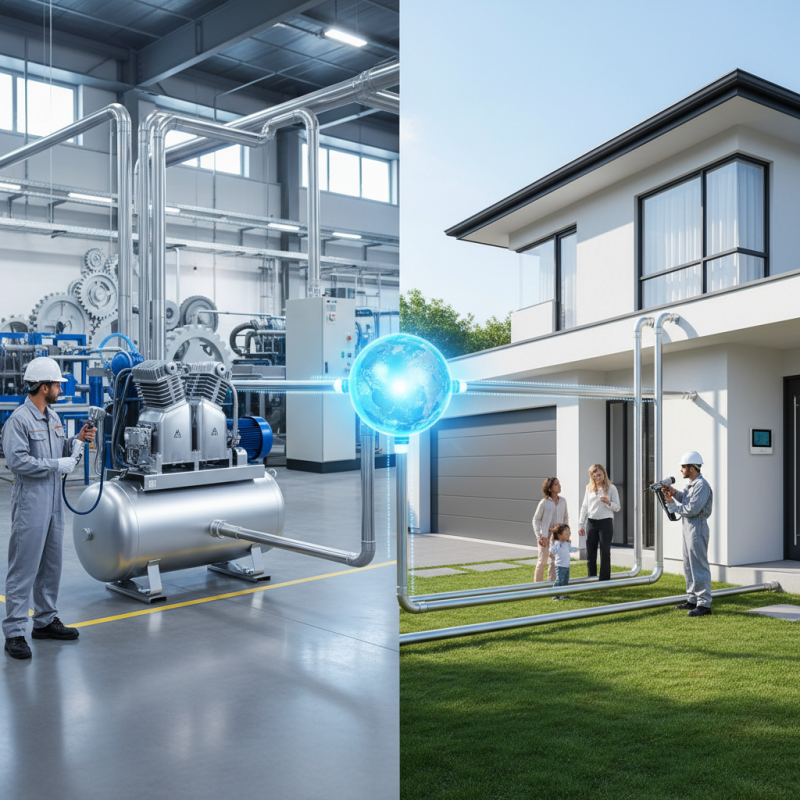
Investing in compressed air can transform your home and business operations. Experts recognize its numerous applications, from powering tools to enhancing energy efficiency. Bob Johnson, a leading figure in the compressed air industry, emphasizes, “Compressed air should not just be a utility; it should be a vital resource.”
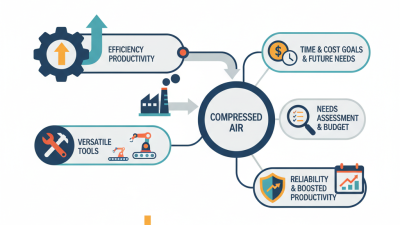
Many homeowners and businesses overlook the benefits of compressed air. Yet, it offers consistent power for various appliances. When you consider the long-term advantages, buying compressed air can be a game-changer. Reliable systems can improve productivity and reduce costs.
It’s essential to make informed choices. Not all compressed air solutions are equal. Researching the best options for your needs is crucial. Choosing wisely can enhance your efficiency. In the end, understanding how and when to buy compressed air will lead to better outcomes.
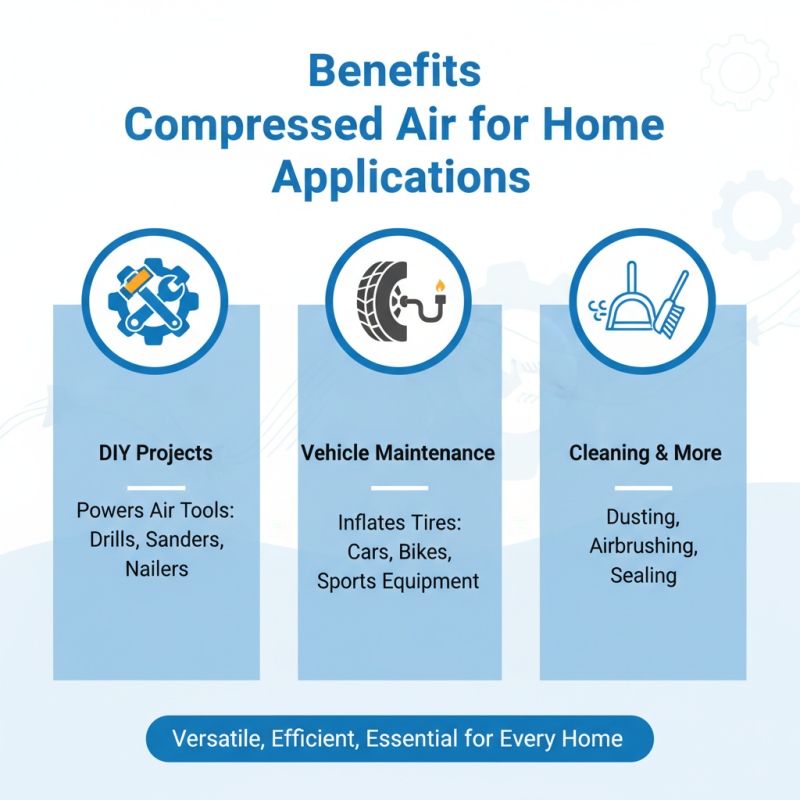
Benefits of Compressed Air for Home Applications
Compressed air can transform your home applications in various ways. It's a versatile tool that simplifies tasks you may not even realize can be enhanced. From powering your air tools for DIY projects to inflating tires, compressed air helps in countless everyday tasks.
Using compressed air for cleaning is one often overlooked benefit. It allows you to quickly eliminate dust and debris from hard-to-reach areas, such as keyboards and ventilation systems. This promotes a more hygienic environment. Many may not think of this practical side, but it’s a vital aspect of maintaining cleanliness.
Compressed air is also beneficial for painting projects. It provides an even application, making your finish look professional. However, relying solely on compressed air for painting can be tricky. Some people struggle with managing the right pressure levels, which can lead to uneven coats. This requires practice and attention to detail. Understanding how to optimize your techniques can help maximize your results.
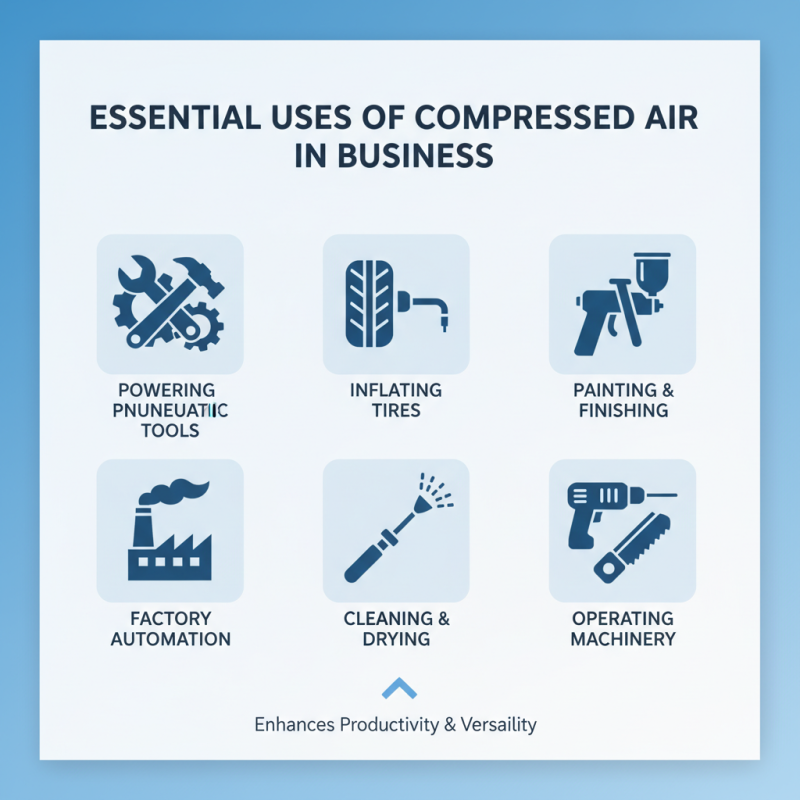
Essential Uses of Compressed Air in Business Settings
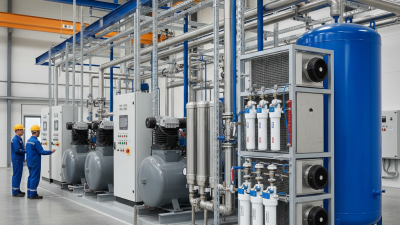
Compressed air is a vital resource in many business settings. It powers essential tools and equipment. Workshops and factories often rely on it for various applications. From operating pneumatic tools to inflating tires, compressed air enhances productivity. Its versatility makes it indispensable for tasks ranging from painting to cleaning.
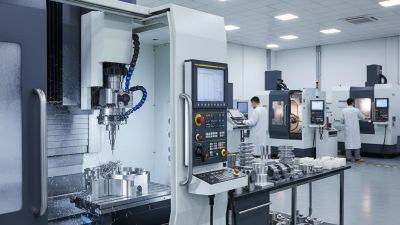
One common use is in assembly lines. Compressed air efficiently drives machines, increasing output. Additionally, it plays a crucial role in maintenance tasks. Many technicians depend on it to blow away debris from equipment. This practice saves time and reduces wear on machinery. However, businesses sometimes overlook the importance of regular maintenance on air compressors. Dust and moisture can compromise air quality, impacting performance.
In offices, compressed air is effective for cleaning computers and electronics. It helps in maintaining the functionality of devices. While its uses are extensive, awareness of safety precautions is essential. Neglecting proper training can lead to accidents or equipment damage. Understanding both applications and risks is crucial for maximizing benefits.
Factors to Consider When Purchasing Compressed Air
When purchasing compressed air, several factors are essential for consideration. The power source is a key element. An electric-powered compressor is quieter and more efficient. However, gas-powered models offer more portability. Understanding the type of application is crucial. According to the Compressed Air & Gas Institute, improper selection can waste up to 30% of energy.
Tank size also matters significantly. For home use, a smaller tank may suffice. However, businesses often require larger tanks. Insufficient tank size can lead to interruptions in operation. A report from the U.S. Department of Energy highlighted that energy costs for compressed air can account for up to 30% of a facility's total energy costs.
Maintenance practices cannot be overlooked. Regular checks on filters and hoses are necessary for optimal performance. Many users overlook this aspect, resulting in system inefficiencies. Inadequate maintenance could double energy consumption, as stated in the Energy Efficiency Guide. Considering these factors contributes to an effective compressed air system, essential for both home and business use.
Why You Should Buy Compressed Air for Your Home and Business Needs? - Factors to Consider When Purchasing Compressed Air
| Factor |
Description |
Recommended Usage |
Estimated Cost |
| Pressure Requirements |
Determine the PSI needed based on tools and equipment. |
Power tools, spray painting, pneumatic equipment |
$300 - $1,500 |
| Tank Size |
Larger tanks provide more air storage and longer run times. |
Workshops, automotive repair, manufacturing |
$200 - $800 |
| Portability |
Consider if you need a stationary or portable air compressor. |
Home use, job sites, outdoor projects |
$100 - $1,200 |
| Power Source |
Choose between electric and gas-powered models. |
Indoor use (electric), outdoor use (gas) |
$150 - $2,000 |
| Maintenance Requirements |
Consider ease of maintenance and service needs. |
Any long-term usage scenario |
$50 annually (service costs) |
Maintenance Tips for Compressed Air Systems
Compressed air systems are essential for many businesses and homes. However, they require regular maintenance to function effectively. Proper maintenance extends the lifespan of the system and enhances efficiency.
One critical maintenance tip is checking for leaks. Research from the CAGI indicates that leaks can account for 20-30% of compressed air usage. Regularly inspect hoses, fittings, and connections for any signs of wear or damage. Implementing a leak detection program can significantly reduce energy costs.
Another important aspect is changing filters regularly. Dirty filters can restrict airflow and increase energy consumption. A study by the U.S. Department of Energy found that maintaining clean filters could improve efficiency by up to 15%. Schedule filter changes every few months to avoid unwanted downtime.
Lastly, maintaining the right pressure is crucial. Operating at too high a pressure can lead to unnecessary wear and energy waste. Adjust your pressure settings according to your specific needs. This careful adjustment can save energy costs while keeping machines functioning optimally.
Cost-Effectiveness of Compressed Air Solutions
Compressed air has become an essential resource for both home and business settings. Its cost-effectiveness stems from its versatility and efficiency. According to a report by the Compressed Air and Gas Institute, compressed air systems can reduce operational costs by up to 30%. This is particularly beneficial for small businesses that operate on tight budgets.
Implementing a compressed air solution can lead to significant energy savings. Data from the U.S. Department of Energy indicates that improving air compressor efficiency can save upwards of $16,000 annually for a medium-sized manufacturing facility. However, many businesses may overlook proper maintenance, which can lead to inefficiencies and increased costs. Regular checks and updates are necessary, yet often neglected.
Investing in compressed air can improve productivity. It powers tools and equipment, streamlining processes. However, factors like the quality of the compressor and the setup can impact its effectiveness. A poorly configured system can waste energy and inflate costs, highlighting the importance of professional assessment. Addressing these issues can lead to a well-functioning system that genuinely meets needs.
Cost-Effectiveness of Compressed Air Solutions