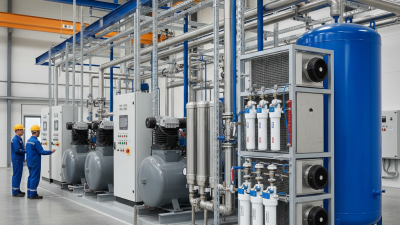
Why Should You Buy Compressed Air for Your Business Needs?
Compressed air is a vital resource for many industries. Companies rely on it for various applications, from powering tools to operating manufacturing equipment. According to a report by the Compressed Air and Gas Institute, 70% of industrial facilities use compressed air in their processes. This data highlights its significance in enhancing productivity and efficiency.
When organizations decide to buy compressed air, they invest in a reliable energy source. The U.S. Department of Energy estimates that compressed air systems can consume up to 30% of a plant's total electricity. This significant figure emphasizes the need for efficient systems. A well-designed compressed air system can reduce energy costs by up to 50%.
However, several factors must be considered when purchasing compressed air. Companies often overlook maintenance needs and system design. These oversights can lead to inefficiencies and wasted resources. Investing in quality compressed air can mitigate these risks, ensuring a better return on investment.
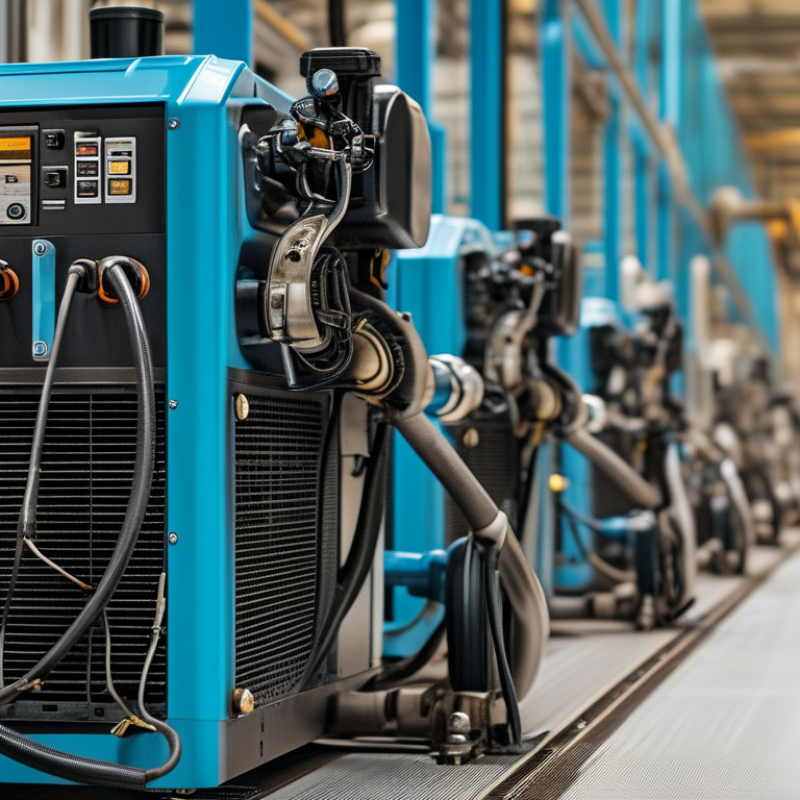
Benefits of Compressed Air Systems in Industrial Applications
Compressed air systems are essential for various industrial applications. They provide power for tools, equipment, and processes, improving efficiency. The versatility of compressed air allows businesses to utilize it across many areas. Factories use it for pneumatic tools, while packaging companies benefit from its reliability.
The reliability of compressed air systems enhances productivity. When properly maintained, these systems can operate continuously without significant downtime. This reliability is crucial in high-demand environments. However, neglecting maintenance can lead to costly breakdowns. It's important to regularly check for leaks and ensure optimal pressure levels.
Energy efficiency is another key benefit. Modern compressed air systems are designed to minimize energy consumption. Businesses can save on operational costs by investing in energy-efficient models. However, monitoring energy use is still necessary. Many facilities find it challenging to keep inefficiencies in check. Addressing this requires ongoing assessment and adjustment.
Efficiency Gains: How Compressed Air Reduces Operational Costs
Compressed air systems are often overlooked when assessing operational efficiency. However, they can significantly reduce costs in various industries. According to a report by the Compressed Air and Gas Institute, nearly 70% of a facility's energy consumption comes from compressed air systems. Optimizing these systems can lead to an energy savings of 30% or more.
Energy efficiency is crucial. Small leaks can account for 20-30% of a system's total energy consumption. Regular maintenance and timely repairs can prevent these leaks and save businesses thousands each year. Implementing smart controls and variable speed drives can also enhance efficiency. A study by the U.S. Department of Energy indicates that companies can reduce energy costs by up to 50% by optimizing their compressed air systems.
Operational enhancements are also vital. Compressed air can power tools and equipment effectively, enabling faster production cycles. This efficiency translates to higher output and revenue. However, poorly managed systems can lead to inconsistent pressure levels and inefficiencies. It's essential to strike a balance between cost and performance. Businesses should invest time to analyze their current systems, making informed decisions to improve reliability and efficiency.
Why Should You Buy Compressed Air for Your Business Needs? - Efficiency Gains: How Compressed Air Reduces Operational Costs
| Dimension |
Data |
| Initial Investment for Compressed Air System |
$15,000 |
| Monthly Maintenance Cost |
$200 |
| Energy Consumption per Month |
1,200 kWh |
| Operational Cost Savings per Month |
$1,500 |
| Reduction in Downtime |
30 hours |
| ROI Period |
12 months |
Energy Consumption: Analyzing the Power Use of Compressed Air Systems
Compressed air systems are powerful tools for many industries, yet they can be significant energy consumers. According to the U.S. Department of Energy, compressed air systems can account for 10% of total industrial energy use. This statistic indicates the potential for high operational costs. Operating inefficient systems can lead to energy losses of up to 30%. Understanding these figures is essential for businesses seeking to optimize their energy consumption.
When integrating compressed air into business operations, it is crucial to analyze the system's efficiency. A study from the Compressed Air Challenge shows that many systems are oversized, leading to wasteful energy consumption. Using controls can save energy. For example, incorporating variable speed drives can reduce energy use by 15% to 50%. However, these solutions require upfront investments and ongoing monitoring, raising questions about their financial viability.
Maintaining proper pressure levels and reducing leaks is vital. Research indicates that leaks can cause a 20-30% energy loss. Regular maintenance is often overlooked. Businesses need to weigh the costs of preventive measures against potential energy savings. Understanding the power usage of compressed air systems can lead to improved efficiency, reduced costs, and a smaller carbon footprint.
Safety and Reliability: The Importance of High-Quality Compressed Air
High-quality compressed air is crucial for any business that relies on pneumatic systems. It helps ensure equipment operates efficiently and safely. Contaminants in compressed air can lead to machinery malfunctions or even safety hazards. Choosing reliable sources of compressed air minimizes these risks. A clean and consistent supply protects your investment and enhances productivity.
Reliability in compressed air also relates to consistent performance. Irregular pressure or impurities can affect production lines, leading to downtime. When businesses experience interruptions, costs can escalate quickly. Investing in quality compressed air helps maintain steady operations. It reduces the need for repairs and replacements, allowing staff to focus on their core tasks.
Understanding the significance of compressed air goes beyond mere operational needs. Some organizations may overlook its impact on safety and compliance. Educating employees about the potential risks associated with poor-quality air is important. Regular audits and checks ensure that systems are functioning correctly. Reflecting on these practices can lead to improvements and tighter safety protocols within the workplace.
Environmental Impact: Reducing Waste with Compressed Air Technology
Compressed air technology plays a significant role in reducing waste. Many industries rely on it for production processes, but the environmental impact is often overlooked. By using compressed air systems, businesses can minimize energy consumption and lower their carbon footprint. This transition not only helps the planet but also improves operational efficiency.
Waste reduction begins with better resource management. Compressed air systems support automation, enhancing production without excessive material use. They help companies streamline processes, which can lead to less waste generated. However, it’s essential to regularly maintain these systems to avoid air leaks, which can counteract environmental benefits. Proper training for staff and consistent monitoring can ensure optimal performance.
Incorporating compressed air into business operations may reveal areas where improvements are needed. The initial setup can require investment, which raises concerns. Yet, the long-term environmental benefits and cost savings often outweigh these challenges. As businesses adapt to eco-friendly technologies, they must reflect on their processes. Embracing compressed air technology may seem daunting, but it offers a promising way to contribute positively to sustainability.