Why Is Metalworking of Parts Essential for Global Supply Chains?
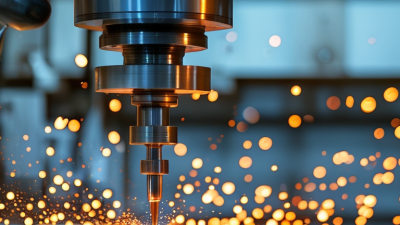
The global supply chain relies heavily on the metalworking of parts. According to the National Association of Manufacturers (NAM), about 12.8 million people work in the metalworking industry in the United States alone. This sector produces essential components for automotive, aerospace, and machinery applications. Without effective metalworking, these industries would struggle to function efficiently.
Metalworking of parts involves numerous processes, including machining, welding, and casting. These diverse techniques are critical for producing high-quality components. The global metalworking market was valued at approximately $210 billion in 2021 and is expected to grow steadily. This growth reflects the increasing demand for advanced manufacturing technologies and materials.
However, challenges persist in the metalworking industry. Rising material costs and labor shortages can affect production rates. Some businesses may overlook the importance of investing in modern techniques. Emphasizing the need for skilled labor and innovation is vital. By recognizing these gaps, the industry can enhance its resilience within the global supply chain.
The Role of Metalworking in Enhancing Supply Chain Efficiency
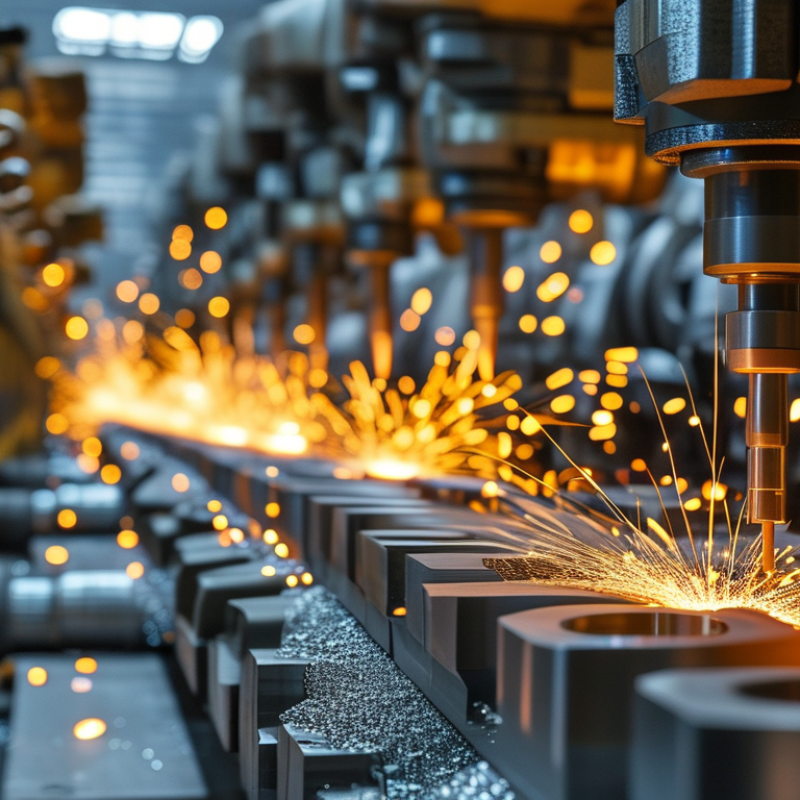
Metalworking plays a crucial role in enhancing supply chain efficiency. It ensures that parts are crafted to precise specifications, which is vital for assembly and functionality. High-quality metal components reduce the risk of delays and malfunctions in production. Efficient metalworking processes streamline operations, leading to quicker turnaround times and increased productivity.
Tips: Regular maintenance of metalworking machinery can prevent unexpected breakdowns. Always monitor the quality of raw materials to ensure optimal output.
Moreover, metalworking supports customization. Companies can develop specific parts tailored to various needs, boosting flexibility in supply chains. However, relying solely on one supplier can be risky. Diversifying suppliers improves resilience against disruptions.
Tips: Evaluate your suppliers periodically to ensure they meet your standards. Build strong relationships with your metalworking partners for better collaboration.
The ability to adapt designs enhances innovation. Companies that invest in advanced metalworking techniques can respond to market changes swiftly. Yet, integrating new technologies often presents challenges, requiring continuous learning and investment.
Impact of Precision Metal Parts on Manufacturing Productivity
Precision metal parts play a crucial role in enhancing manufacturing productivity. According to a recent industry report, companies utilizing precise metal components can see productivity increases of up to 40%. This boost is attributed to lower tolerances in manufacturing processes, leading to reduced waste and defects. Enhanced accuracy allows for better fitting of parts, which minimizes downtime during assembly and maintenance.
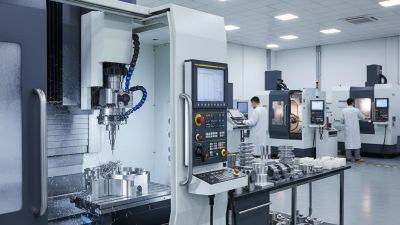
To achieve these benefits, it is essential to incorporate advanced manufacturing techniques. Techniques like CNC machining and laser cutting are key. They ensure that metal parts are consistently produced to exact specifications. This precision reduces the likelihood of errors and increases the lifespan of the products. A survey indicated that 70% of manufacturers believe that investing in metalworking technology directly improves their competitive edge.
Tips: Regularly assess and upgrade your metalworking equipment. This can lead to higher precision and efficiency. Additionally, consider training your workforce on the latest technologies for even greater productivity gains. Embrace continuous improvement, as it often leads to unexpected advantages. Focus on the details. Small changes can make a huge impact on overall performance and reliability.
Global Demand for Metal Components: Trends and Statistics
The global demand for metal components is on the rise. Industries are turning to metalworking for precision and reliability. Metal parts are essential in various sectors, including automotive, aerospace, and electronics. The statistics paint a clear picture. By 2027, the metalworking market is projected to reach billions in revenue.
One key trend is the increased use of automated processes. Automation enhances efficiency but raises challenges. Workers may worry about job security. In some regions, metalworking jobs are diminishing. This shift may lead to a skills gap in the workforce. Companies must invest in training programs to keep up.
Sustainability is another area of focus. Manufacturers are exploring eco-friendly metalworking practices. This shift reflects consumers' demands for greener products. But implementing sustainable practices can be costly and complex. Balancing efficiency and eco-friendliness requires careful thought. Solutions are necessary to meet both market needs and environmental standards.
Case Studies: Metalworking Innovations Driving Supply Chain Resilience
Metalworking innovations are pivotal for enhancing supply chain resilience. Industries face challenges like supply disruptions and increasing demands. Metalworking is at the heart of creating durable, high-quality parts. These parts enable manufacturers to produce reliable products swiftly. Precision in metal fabrication minimizes waste and increases efficiency.
One notable case study involves additive manufacturing. This method accelerates prototype development. It allows companies to respond faster to market changes. However, the reliance on new technologies can sometimes lead to inconsistencies. Firms must balance innovation and traditional techniques to achieve optimal outcomes.
Another example is the introduction of automated machining. Automation improves production rates but demands significant investment. There are risks associated with transitioning to automated processes. Companies must address potential skill gaps among workers. Ensuring a well-trained workforce is essential for maximizing these innovations. The journey through metalworking's evolution challenges existing paradigms.
Challenges in Metalworking and Their Effects on Global Supply Chains
Metalworking plays a critical role in global supply chains. The metalworking industry, essential for producing precise components, faces several challenges. In 2022, nearly 40% of manufacturers reported an inability to source high-quality metal parts. This scarcity can delay production and disrupt supply chains.
Supply chain disruptions affect industries like automotive and aerospace. The American Association of Metalworking Industries (AAMI) found that delays in metal part delivery can increase costs by 25%. Moreover, fluctuating raw material prices can further exacerbate these challenges. Many companies are now investing in advanced manufacturing technologies. These technologies aim to improve efficiency and reduce reliance on external suppliers.
Worker shortages in the metalworking sector present additional obstacles. Over 40% of metalworking firms reported difficulty finding skilled labor. This gap can lead to slower production rates and increased lead times, highlighting the need for workforce development initiatives. Addressing these issues is essential for sustaining robust global supply chains.