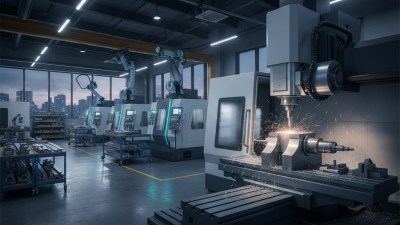
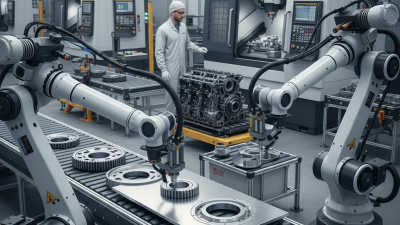
Top Metalworking Parts Techniques for Global Buyers?
In today's competitive landscape, understanding the "Metalworking of Parts" is vital for global buyers. According to a report by Market Research Future, the global metalworking market is projected to reach USD 307 billion by 2025, growing at a CAGR of 6.5%. This growth highlights the increasing demand for innovative techniques that enhance manufacturing efficiency and product quality.
Metalworking not only involves traditional practices but also the adoption of advanced technologies. Techniques such as CNC machining, additive manufacturing, and cold forging are increasingly becoming standard. A survey from the International Federation of Robotics indicated that the use of automation in metalworking could boost production rates by up to 30%. Yet, many buyers struggle to stay updated with these evolving methods.
The quest for reliability in sourcing metals has led to challenges. Buyers often face inconsistencies in quality and supply chain disruptions. Thus, it is crucial to find trustworthy partners who keep pace with industry advancements. By leveraging the right techniques and partnerships, global buyers can significantly enhance their metal fabrication processes.
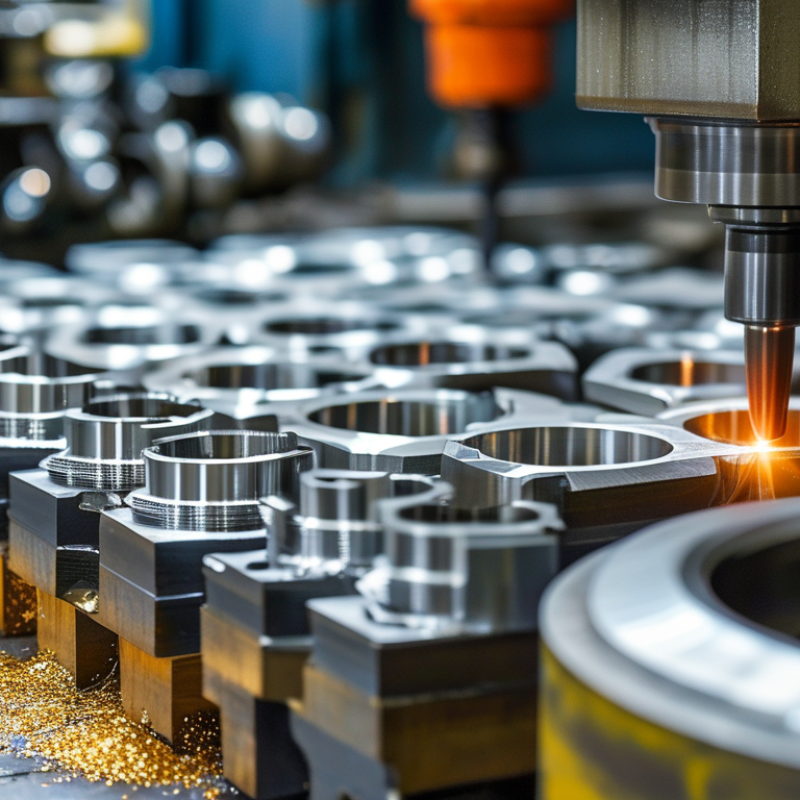
Overview of Metalworking Parts Techniques for Global Buyers
Metalworking is a vital process for industries worldwide. Understanding the various techniques available can help global buyers make informed decisions. Each technique serves different purposes, from machining to fabrication.
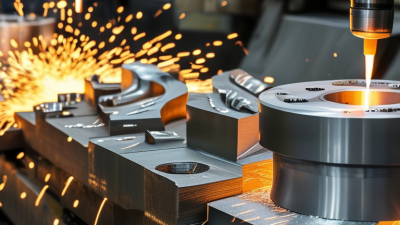
Machining involves removing material to shape components. It includes processes like turning, milling, and drilling. Precision is key, yet errors can happen. Factors such as tool wear and vibration can affect quality. Buyers must seek suppliers who emphasize quality control.
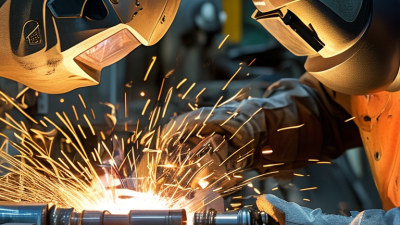
Fabrication, on the other hand, involves combining materials through welding or assembling. The method chosen may depend on project requirements. Often, buyers face challenges like material compatibility and heat distortion. Engaging with skilled fabricators who understand these nuances can minimize risks. Being aware of these techniques can ultimately lead to better procurement strategies.
Top Metalworking Parts Techniques for Global Buyers
| Technique |
Description |
Applications |
Materials Used |
Key Benefits |
| CNC Machining |
Computer-controlled cutting and shaping of materials. |
Aerospace, automotive, healthcare. |
Aluminum, steel, plastics. |
High precision and repeatability. |
| 3D Printing |
Additive manufacturing for creating parts layer by layer. |
Prototyping, custom tooling. |
Plastics, metals, composites. |
Reduced waste and complex geometries. |
| Injection Molding |
Process of injecting molten material into a mold. |
Consumer products, automotive parts. |
Thermoplastics, metals. |
High volume and consistency. |
| Stamping |
Shaping metal using dies and presses. |
Automotive parts, appliances. |
Sheet metal, aluminum. |
High speed and low cost for large runs. |
| Laser Cutting |
Using a laser to cut materials with high precision. |
Signage, metal fabrication. |
Steel, wood, plastic. |
Clean cuts and high accuracy. |
Key Factors Influencing Metalworking Parts Selection
Selecting the right metalworking parts requires a deep understanding of several key factors. Buyers must evaluate materials carefully. Different metals have varied properties. For instance, aluminum is lightweight, while steel offers strength. The decision often boils down to performance needs and cost considerations.
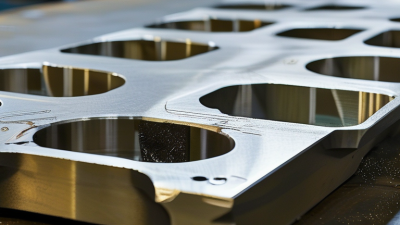
Precision is crucial in metal parts selection. Tolerances affect how components fit together. Misalignments can lead to failures, which may cause project delays. Many buyers underestimate this aspect. It's vital to work with experts who can provide insights into manufacturing processes and expected tolerances.
Another important factor is the environmental impact. Buyers are increasingly concerned about sustainability. Eco-friendly practices are becoming a necessity, not just a trend. This can complicate sourcing but leads to better long-term solutions. Identifying suppliers who prioritize these aspects can be challenging, yet it is worth the effort.
Innovative Technologies in Metalworking Parts Manufacturing
Innovative technologies are transforming metalworking parts manufacturing. These advancements enhance efficiency and precision. From automation to additive manufacturing, these techniques redefine traditional processes.
3D printing is a game-changer. It allows for complex geometries that were once impossible. This technology reduces material waste and speeds up prototyping. However, understanding its limitations is crucial. Not all designs suit 3D printing, and post-processing can be time-consuming.
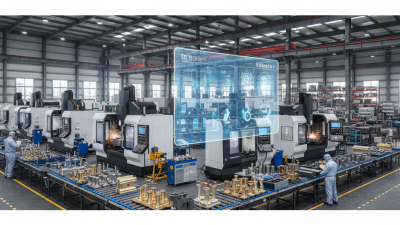
CNC machining remains vital. It offers precision and can handle various materials. The introduction of AI in CNC machines optimizes production. Yet, reliance on technology raises questions. Are operators losing skills? Continuous training is essential for maintaining expertise in an evolving field.
Tips: Always assess your specific needs. Select the right technology based on project requirements. Stay updated with industry trends to make informed decisions. Embrace innovation, but remember the importance of craftsmanship.
Sourcing Strategies for High-Quality Metalworking Parts
When sourcing high-quality metalworking parts, a clear strategy is essential. Start by defining your requirements. Consider the specifics of each component. The materials, tolerances, and finishes are crucial. Clear specifications help suppliers understand your needs.
Evaluate potential suppliers based on their expertise and reliability. Look for manufacturers with proven track records. Investigate their quality control processes. Check certifications that demonstrate their commitment to standards. Don't hesitate to ask for references from previous clients. This step provides insight into their reliability.
Also, be open to feedback from suppliers. They often have valuable insights into design improvements. Their expertise can enhance your products. However, not every supplier will meet your expectations. Be prepared to reassess your choices if necessary. Continuous evaluation is key to maintaining quality in metalworking parts.
Evaluating Suppliers and Quality Assurance in Metalworking Parts
When evaluating suppliers in the metalworking parts sector, understanding quality assurance is critical. Buyers must take an active approach to ensure they select reliable partners. The assessment of a supplier's quality management system can reveal their ability to meet industry standards. Look for certifications that demonstrate a commitment to quality, such as ISO certifications. These credentials often indicate a systematic approach to quality and reliability.
It's also important to request samples before making bulk orders. This practice allows buyers to assess the craftsmanship firsthand. However, a single sample may not reflect mass production quality. Hence, comparing samples from different suppliers can provide valuable insights. Communication with suppliers about your specific requirements can also enhance the process. Clear specifications help in conveying expectations and prevent misunderstandings.
Consider the supplier's production capabilities too. A detailed analysis of their machinery and technology is necessary. Outdated equipment can hinder precision. Asking questions about their production processes fosters transparency. While many suppliers claim to prioritize quality, it's wise to approach this claim with a critical mindset. Gathering feedback from other customers can provide additional perspectives. Quality assurance isn't just a checklist; it requires ongoing commitment and critical evaluation.
Top Metalworking Parts Techniques for Global Buyers