How to Choose the Right CNC Custom Machining Service?
Choosing the right CNC custom machining service can significantly impact your project's success. The global CNC machining market is projected to reach $100 billion by 2025, highlighting the demand for precision techniques in manufacturing. Businesses must navigate a landscape filled with various providers, each offering different capabilities and expertise.
Quality and reliability are essential when selecting a CNC custom machining service. A report from Deloitte indicates that 33% of manufacturers prioritize quality over cost when sourcing services. This emphasizes the importance of understanding a provider's technological capabilities and past performance. However, not all vendors can deliver consistent results. Companies should actively seek recommendations and review feedback to build a reliable list of potential partners.
The right choice also involves evaluating the provider's flexibility and customer service. Many companies report difficulties in communication with their machining partners, impacting their overall satisfaction. Ensuring that a CNC custom machining service is responsive to changes and open to collaboration can prevent downstream issues. Ultimately, careful consideration and research are vital in making an informed decision.

Understanding CNC Custom Machining: An Overview
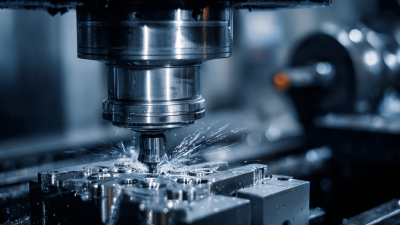
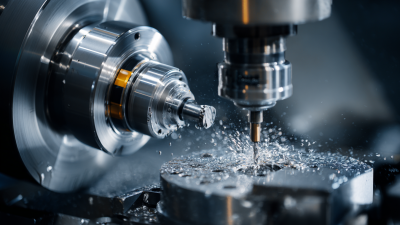
CNC custom machining is a crucial process in manufacturing. Understanding its mechanics is essential for making informed decisions. This technology uses computer-controlled machines to create precise parts from various materials. It offers advantages like high accuracy and repeatability, which greatly benefit industries like aerospace and automotive.
When selecting a CNC custom machining service, consider the types of materials they work with. Common choices include metals, plastics, and composites. Each material has unique properties affecting the machining process. Know the specific requirements for your project. This knowledge will guide you in choosing the right service.
Tips: Always ask for samples of their work. Inspecting previous projects can provide insight into their capabilities. Also, inquire about their quality control measures. Reliable services will have strict protocols to ensure precision.
It’s important to reflect on your needs. An ideal service may not always be the closest or the cheapest. Sometimes, investing in expertise pays off in the long run. Think about long-term partnerships that can evolve with your business requirements.
Key Factors to Consider When Choosing a CNC Machining Service
Choosing the right CNC custom machining service can be challenging. Several key factors play a vital role in this decision.
First, assess the service provider’s experience. A company with years in the industry typically offers reliability. Look for specific examples of past projects similar to yours. This gives insight into their capabilities.
Another important factor is the range of services offered. Some companies specialize in certain materials or processes. Ensure they can handle the complexity of your design. Review client feedback and case studies. This reflects their commitment to quality and attention to detail.
Communication is crucial throughout the machining process. A provider who listens and responds effectively to your needs may prevent potential issues. Transparency is also important; costs and timelines should be clear from the start. Reflect on previous experiences to refine your expectations and avoid surprises. Choose wisely to ensure a successful partnership.
Evaluating CNC Machining Capabilities and Technologies Offered
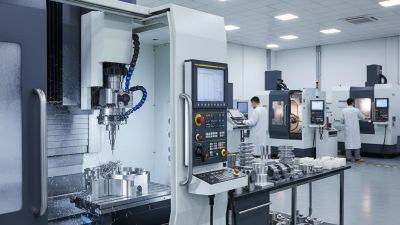
When choosing a CNC custom machining service, understanding the capabilities and technologies they offer is crucial. A service provider’s machinery type greatly influences the precision and quality of your parts. Look for services that utilize modern CNC machines. These machines should have advanced features like multi-axis capabilities and live tooling. This variety allows for complex geometries, which enhances the end product's functionality.
Equally important is the range of materials the service can handle. Some jobs require specific materials, such as aluminum or titanium. Check if the provider is experienced in machining those materials. Consider the types of finishing options available. Services often offer coatings or treatments that enhance durability. This added value can make your components more robust.
Evaluating the service's expertise is also essential. Data-driven decision-making is a key indicator of a reliable provider. Ask about their quality control processes. Are they certified? This kind of accreditation speaks volumes about their commitment to precision. Remember, not all providers will have the same level of experience or technology, so doing thorough research can help guide you to the right choice. Explore customer reviews and case studies to get a better understanding of their reliability in delivering high-quality results.
How to Choose the Right CNC Custom Machining Service?
| Capability |
Description |
Technology Type |
Material Compatibility |
Lead Time |
| Precision Machining |
High precision parts for complex geometries. |
CNC Milling, CNC Turning |
Aluminium, Steel, Plastic |
2-4 weeks |
| Sheet Metal Fabrication |
Custom metal parts fabrication from sheets. |
Laser Cutting, Punching |
Stainless Steel, Carbon Steel |
3-5 weeks |
| 3D Printing |
Additive manufacturing for rapid prototyping. |
FDM, SLA |
PLA, ABS, Nylon |
1-2 weeks |
| Injection Molding |
High volume production of plastic parts. |
Thermoplastic Molding |
ABS, Polycarbonate, Nylon |
4-6 weeks |
Assessing Quality Control and Certification Standards in CNC Services
When selecting a CNC custom machining service, quality control and certification standards are vital. A study indicates that 74% of manufacturers prioritize certified suppliers, emphasizing their need for consistent quality. Companies that implement robust quality control processes witness a 30% reduction in defects. Thus, assessing a potential partner’s certifications ensures they comply with industry standards.
Quality management systems like ISO 9001 offer a framework for consistency. Suppliers with ISO certifications demonstrate commitment. However, not all certifications carry the same weight. Look for industry-specific standards, particularly in sectors like aerospace and medical devices. Reports suggest that companies in regulated industries often experience up to a 50% increase in operational efficiency through compliance.
**Tip**: Always verify the authenticity of certifications. Some companies may present outdated or irrelevant credentials.
Moreover, inquire about their quality control procedures. Ask how often audits are conducted. Frequent audits contribute positively to reducing workflow errors. Comparative analyses reveal that organizations with stringent quality measures outperform their peers significantly.
**Tip**: Request samples. Evaluating a supplier’s work can provide insights into their capabilities and adherence to standards.
Quality Control Standards in CNC Custom Machining Services
Comparing Cost and Lead Times in CNC Custom Machining Options
When considering CNC custom machining options, comparing cost and lead times is crucial. Different machining services often provide varying quotes based on material, intricacy, and volume. Understanding these components can help you make informed decisions. Sometimes, the lowest cost may lead to unexpected delays. Prioritizing features might seem wise, yet it can risk exceeding your budget.
Lead times are equally important. A faster turnaround may entice, but it often comes with a premium. Check the service's track record for meeting deadlines. If they frequently miss their delivery dates, consider this in your decision. It may reveal deeper issues in their process management. Aim for a balance between cost and efficiency to ensure your project's success.
Communication with potential service providers is key. Ask about their typical lead times for similar projects. Request clarity on any hidden costs, such as setup fees or rush order fees. Responses can showcase their transparency and willingness to collaborate. Be prepared for the back-and-forth of negotiation, as adjusting expectations from both parties could lead to better outcomes. Ultimately, reflect on what aspects matter most to you.