Inquiry
Form loading...

Top 10 Custom Machined Parts Manufacturers in China?

Choosing a partner for Custom Machined Parts means looking beyond a polished website or a low unit price. A machined aluminum housing may appear simple, yet its fit can depend on tight tolerances, tool paths, and careful inspection. For buyers comparing manufacturers in China, those details matter. So do clear drawings, responsive engineering support, material traceability, and reliable delivery estimates.

Manufacturing quality expert Dr. W. Edwards Deming is widely associated with the principle, “Quality is everyone’s responsibility.” It applies directly to precision machining: inspection cannot fix unclear specifications or inconsistent process control. Ask how a supplier checks critical dimensions, manages revisions, and documents materials. Request sample inspection reports, not just assurances. Small details count.

This guide to the Top 10 Custom Machined Parts Manufacturers in China offers a practical starting point. It considers capabilities, equipment, quality systems, communication, and experience with different production volumes. A ranked list is never a substitute for due diligence. Supplier strengths can vary by part, material, and order size. That deserves a second look. Before choosing a manufacturer, compare quotes against the same drawing and confirm tolerances, finish requirements, and inspection expectations. A capable supplier should explain trade-offs plainly, including where a design may raise cost or lead time. That honesty is useful. And sometimes, the cheapest quote is simply missing a detail.
Top 10 Custom Machined Parts Manufacturers in China?

What Custom Machined Parts Are and Where They Are Used

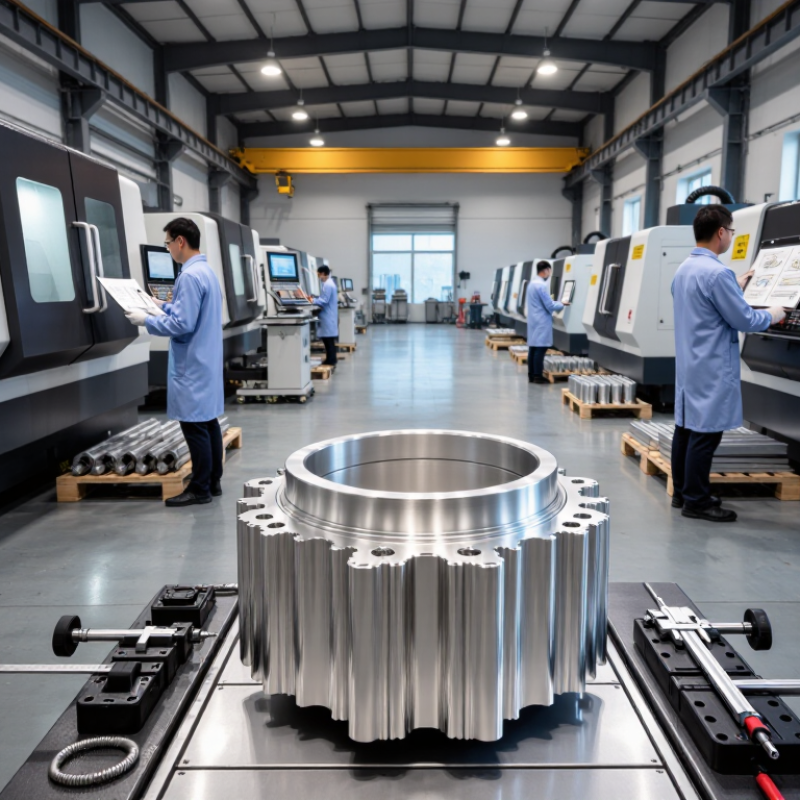
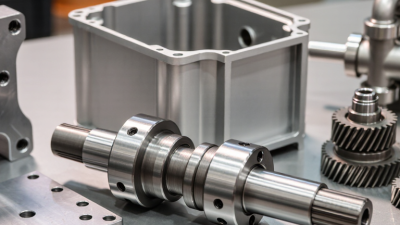
Custom machined parts are components made to a specific drawing, material, and tolerance. CNC milling removes material with rotating cutters; turning shapes parts as stock spins against a cutting tool. The result may be a small stainless-steel valve body, an aluminum sensor housing, or a precision shaft with measured bearing seats. Dimensions matter. So do surface finish, heat treatment, and the way a part fits its neighboring components.

These parts serve aerospace systems, medical equipment, industrial pumps, robotics, and vehicles. In electric vehicles, for example, machined housings, shafts, and cooling-system fittings must handle vibration and heat while maintaining close fits. The International Energy Agency reported nearly 14 million electric-car sales worldwide in 2023, about 18 percent of all car sales. That shift expands demand for vehicle components, though it does not mean every component is custom-made. Some are produced at high volume; others are tailored for a particular design or repair. A useful specification includes material grade, critical dimensions, tolerances, and operating conditions. Drawings can still miss real-world assembly constraints. The first cut is not always right. Testing fit and function often reveals details that a neat CAD model cannot.
How China’s Custom Machining Industry Serves Global Buyers

China’s custom machining industry serves global buyers through a mix of production capacity, varied processes, and adaptable order sizes. Shops may offer CNC milling, turning, drilling, and finishing, allowing buyers to source several operations through one supply chain. For a buyer developing an aluminum housing, for example, a clear drawing should specify key dimensions, surface requirements, and threaded-hole details. Details matter.

Good collaboration begins before cutting starts. A supplier can review a model for tool access, setup limits, and features that may raise cost. Buyers should also confirm material grades, tolerances, inspection methods, and sample approval steps in writing. A tolerance that is tighter than the part’s function requires can add machining time without improving performance. This is easy to overlook.

Reliable delivery depends on more than machine capacity. Inspection records, protective packaging, and realistic lead-time updates help overseas teams plan assembly and transport. Ask how critical dimensions are measured, and whether first-article results can be shared before a larger run. Communication can still be uneven across projects, so assumptions deserve a second look. A simple check-in on drawing revisions may prevent a batch being made to an outdated file.

Top 10 Custom Machined Parts Manufacturers in China? - How China’s Custom Machining Industry Serves Global Buyers

This table summarizes ten common capabilities and buyer considerations in China’s custom machining industry. It is an industry overview, not a ranked list of named manufacturers; actual capabilities, certifications, tolerances, and lead times vary by supplier and project.

No. Capability Area Common Processes or Materials Typical Buyer Applications What Buyers Should Verify
1 CNC milling 3-axis and multi-axis milling; aluminum, steel, stainless steel, brass, and engineering plastics Housings, brackets, plates, fixtures, and prototypes Machine travel, workholding plan, datum scheme, and inspection method for critical features
2 CNC turning Turning, facing, boring, threading, and live-tool operations on round stock Shafts, bushings, pins, spacers, and threaded fittings Maximum part diameter and length, concentricity requirements, thread specification, and bar-stock availability
3 Multi-axis machining 4-axis or 5-axis machining for multiple faces and complex geometries Impellers, angled features, complex housings, and parts requiring fewer setups Actual machine configuration, reachable work envelope, programming experience, and feature-access limitations
4 Sheet-metal machining and fabrication Laser cutting, punching, bending, tapping, and welding of sheet materials Panels, enclosures, covers, and mounting components Material thickness range, bend allowances, weld requirements, edge finishing, and dimensional inspection after forming
5 Material selection Common options include aluminum alloys, carbon and stainless steels, copper alloys, and engineering plastics Parts requiring particular strength, corrosion resistance, conductivity, weight, or machinability Exact grade, applicable material standard, condition or temper, and traceability documents when required
6 Tolerances and GD&T Drawing-defined dimensions, geometric tolerances, fits, and general tolerance standards such as ISO 2768 or ISO 286 where specified Interchangeable assemblies and precision mating features Supplier acceptance of each critical tolerance, measurement capability, and agreement on drawing units and revision
7 Surface finishing Options may include anodizing, plating, passivation, powder coating, and bead blasting, depending on material and specification Parts needing corrosion protection, appearance control, or specified surface properties Finish standard, color, coating thickness if specified, masked areas, and effects on fit or dimensions
8 Quality inspection Calipers, micrometers, gauges, height gauges, and coordinate-measuring machines (CMMs), as appropriate to the part First articles, production batches, and parts with controlled dimensions Inspection plan, sampling level, report format, calibration records, and first-article requirements
9 Quality management and traceability Documented quality systems; ISO 9001 is a general quality-management standard, while sector-specific standards may apply in some industries Repeat orders and projects requiring controlled documentation Certificate scope and validity, process records, nonconformance handling, and material-batch traceability where needed
10 Export and project coordination Drawing review, quotation, sample approval, production updates, packaging, and international shipping coordination Overseas buyers managing prototype or recurring production orders Incoterms, packaging and labeling requirements, export documents, communication process, and a schedule confirmed for the specific order

Criteria for Evaluating Custom Machined Parts Manufacturers

A useful comparison of custom machined parts manufacturers starts with the drawing, not the sales pitch. Check whether each supplier can hold the specified tolerances across the full production run. Ask how critical dimensions are measured, and whether inspection records can be shared. Numbers matter. A sample part may look clean, yet still miss a bore diameter by a few hundredths of a millimeter.

Review material controls and machining capability together. Can the manufacturer verify alloy grade and provide traceable material documentation? Do its machines, cutting tools, and fixtures suit the part’s geometry? For a thin-walled aluminum housing, ask how the shop limits vibration and distortion. Request a first-article inspection report before approving larger quantities. Look closer. Surface finish, burr removal, and edge condition also affect assembly, even when a drawing gives them little attention.

Quality systems are only useful when workers follow them on the shop floor. Ask who approves process changes, how rejected parts are handled, and how measurement equipment is calibrated. Compare lead times against actual capacity, not only quoted dates. A low price may exclude secondary operations or careful inspection. That can make comparisons awkward. No checklist removes judgment; a factory visit or small trial order may reveal gaps that paperwork misses. Communication matters, too. Clear answers about risks and limits are often more credible than promises of perfection.

Top 10 Custom Machined Parts Manufacturers in China: Evaluation Criteria

Suggested weighting for comparing suppliers. These are evaluation priorities, not survey results or company-specific scores.

Assess quality systems, demonstrated tolerances, and relevant production capabilities first. Then compare delivery performance, certifications, communication, pricing transparency, and after-sales support using consistent evidence and RFQs.

Top 10 Custom Machined Parts Manufacturers in China

Top 10 Custom Machined Parts Manufacturers in China

A useful Top 10 comparison should look beyond price and polished factory photos. Custom machining buyers need evidence of process control, material traceability, inspection capability, and dependable delivery. Ask how a supplier handles a drawing revision, then check whether its inspection report records actual dimensions—not just a pass mark. Small details matter.

The International Federation of Robotics reported 541,302 industrial robots installed worldwide in 2023, with Asia accounting for about 70% of installations. This reflects a highly automated regional manufacturing base, but it does not prove that any individual machine shop can hold tight tolerances. A ranking should therefore assess each candidate’s equipment range, calibration records, sample parts, and ability to explain realistic tolerances. Request a first-article inspection report for a representative component.

There are trade-offs. A shop suited to high-volume aluminum housings may not be the best choice for a one-off stainless-steel fixture. Compare quoted lead times with capacity and finishing requirements, including deburring and surface treatment. Honestly, supplier data can be uneven; a neat website is not a substitute for verified process evidence. Ask direct questions. Check the answers.

How to Compare Suppliers for Your Project Requirements

Compare suppliers against the part, not the brochure. Send each shop the same drawing, 3D model, annual volume, material, and surface-finish requirement. Then compare quoted tolerances with the functional dimensions on your print. A tight tolerance across every feature can raise machining and inspection costs without improving the assembly. Ask how the supplier measures critical bores, thread positions, and flatness, and request a sample inspection report. Looks can mislead. A clean sample is useful, but it does not prove repeatable production.

Deloitte and MAPI’s 2024 Smart Manufacturing Survey found that 92% of surveyed manufacturers viewed smart manufacturing as a key competitiveness driver over the next three years. For a machined-parts buyer, that makes process records worth checking: ask whether inspection results are linked to part numbers and production batches. Also verify material certificates, first-article inspection procedures, corrective-action records, and who approves drawing changes. Compare total landed cost, not just unit price; packaging, freight, scrap allowances, and lead-time assumptions can change the real quote. I would not treat one successful sample as proof of stable output. That may sound cautious, but it is cheaper than discovering variation after assembly.

Tips: Ask for a capability study on your most critical feature, plus a clear plan for measuring it. Confirm what happens if results fall outside tolerance. Make sure the answer is specific, not just “we will inspect it.”