Inquiry
Form loading...

What Are the Top Types of Custom CNC Parts?

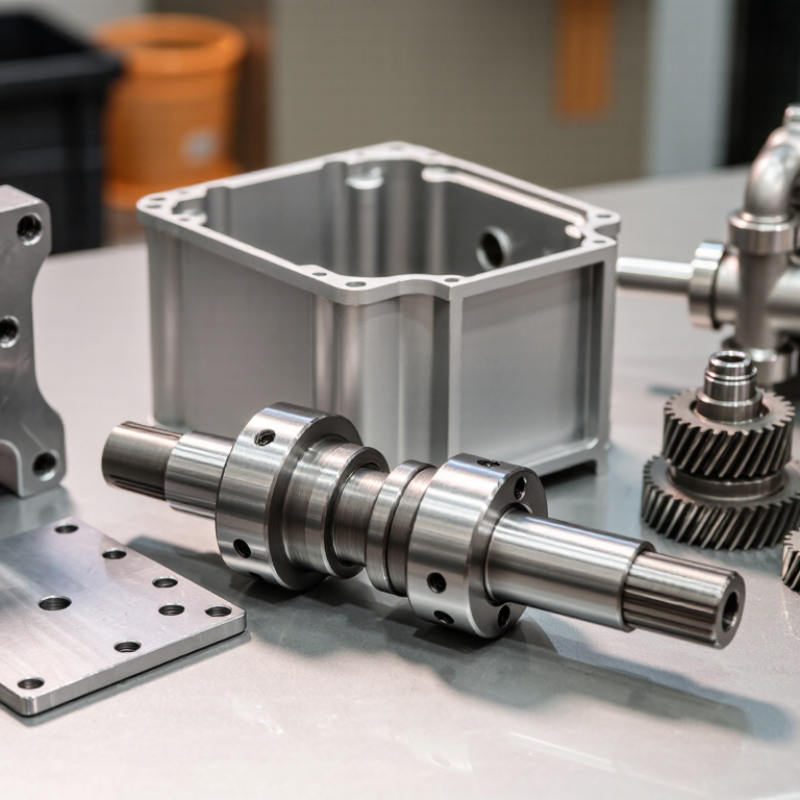
Custom Cnc Parts are components machined to meet a specific design, fit, or production need. They appear in equipment, vehicles, medical devices, and everyday industrial systems. The most common types include shafts, brackets, housings, plates, gears, and fluid-handling parts such as manifolds. Each serves a different purpose. A shaft transfers rotation; a bracket supports a load; a housing protects moving components. Small details matter. A misplaced hole or rough mating surface can complicate assembly, even when the part looks simple.

Choosing the right part type depends on its function, material, geometry, and expected operating conditions. Aluminum may suit a lightweight enclosure, while stainless steel may be selected for strength or corrosion resistance. These are starting points, not universal rules. A design’s wall thickness, internal features, tolerances, and production volume can affect both machining time and cost. Fit matters. This guide explores the top types of custom CNC parts, explains where they are commonly used, and highlights practical design considerations. It also asks an important question: does every feature need to be machined to a tight tolerance? Often, the answer depends on how the part fits and performs. There is no single best choice. Reviewing the drawing with an experienced machinist can reveal trade-offs before production begins. That step is easy to overlook, but it can prevent avoidable revisions and help ensure the finished component works as intended.
What Are the Top Types of Custom CNC Parts?

CNC-Milled Parts for Complex Prismatic Shapes

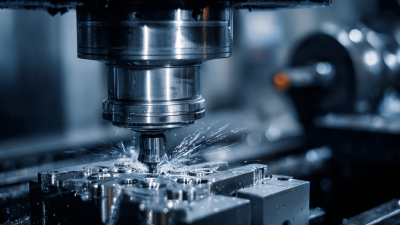
CNC-milled parts suit complex prismatic shapes: blocks with pockets, slots, ribs, angled faces, and precise mounting surfaces. A machinist can reference several faces from one setup, reducing alignment errors. Three-axis milling handles many designs; five-axis access can help when features sit on multiple sides. It is not automatically better. Extra axes may add cost without improving a part’s function.

Design details matter. Deep pockets need room for cutting tools, while sharp internal corners usually require a radius. Thin walls can vibrate or warp, especially during material removal. A drawing can still mislead if it omits datum references or leaves tolerances unclear. Deloitte’s 2024 Smart Manufacturing Survey found 86% of manufacturers viewed smart manufacturing as a competitiveness driver over the following five years; that finding concerns manufacturing broadly, not CNC milling alone. Grand View Research estimated the global CNC machine market at $101.2 billion in 2023 and projected 9.5% annual growth through 2030. These figures show industrial investment, not guaranteed part quality. Review tool access, wall thickness, and inspection points before approving a design. One pocket may need rethinking.
CNC-Turned Parts for Cylindrical Designs

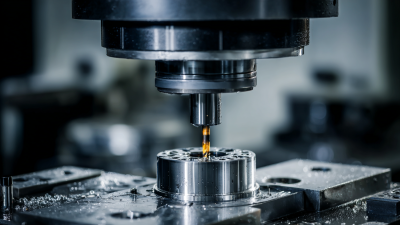
CNC-turned parts suit designs built around a central axis. During turning, the workpiece rotates while a cutting tool shapes its outside diameter or internal features. Common examples include shafts, bushings, sleeves, pins, and threaded fittings. The process can produce smooth cylindrical surfaces and repeatable dimensions when the setup and specifications are appropriate.

Small details count. A drawing should identify critical diameters, lengths, threads, and surface-finish requirements. Concentricity may matter when a shaft must run inside a bearing or mate with a bore. Thin walls and deep internal features can be harder to machine consistently; I would not assume a simple-looking part is automatically easy to produce. Material choice also affects cutting behavior and the achievable finish.

After turning, some parts need additional milling or drilling for flats, cross-holes, or slots. Those operations can add setup time, so include them clearly in the design and quote request. Inspection should focus on the dimensions that control fit and function, using suitable tools such as micrometers, bore gauges, or thread gauges. A first article may reveal that a tolerance is tighter than the assembly actually needs. That is worth reviewing.

CNC-Drilled Parts for Precise Holes and Openings

CNC-drilled parts provide accurately located holes, slots, and openings in metal or plastic components. A machine follows programmed coordinates, while a rotating drill removes material at each specified point. This repeatable process suits mounting holes, fluid passages, and lightweight panels with evenly spaced openings. Small details matter. Hole diameter, depth, position, and edge finish should be clear on the drawing. A vague depth callout can create avoidable differences between parts.

Material and geometry affect the result. Aluminum often cuts cleanly, while tougher alloys may need slower feeds and careful chip removal. Thin sections can flex or develop burrs, so secure fixturing and a suitable cutting tool are important. For especially tight tolerances or smoother internal surfaces, a drilled hole may need a later reaming operation. That adds time, but can improve consistency. A good process plan also checks the first part with suitable gauges, such as pin gauges or a coordinate measuring machine. Even a careful setup can miss a detail; checking the actual part against the drawing is worth the effort.

What Are the Top Types of Custom CNC Parts? - CNC-Drilled Parts for Precise Holes and Openings

Part Type Common Materials Typical Drilled Features Common Applications Key Design and Quality Considerations
Mounting Plates and Brackets Aluminum alloys, carbon steel, stainless steel Clearance holes, tapped holes, and bolt patterns Machine frames, fixtures, guards, and equipment mounts Specify hole position from clear datums; check edge distance and fastener clearance. Position tolerance depends on the drawing, material, and manufacturing setup.
Manifolds and Fluid Blocks Aluminum, stainless steel, brass Straight intersecting passages, threaded ports, and sealing-face openings Hydraulic, pneumatic, coolant, and lubrication systems Define passage locations, port threads, and sealing requirements. Intersecting passages may require deburring, cleaning, and pressure or leak testing.
Enclosures and Panel Parts Aluminum, steel, engineering plastics Connector openings, ventilation holes, cable-entry holes, and mounting patterns Control boxes, instrument panels, and electronic housings Account for connector dimensions, wall thickness, and clearance for assembly. Deburr openings to protect cables and improve fit.
Shafts and Rotating Components Alloy steel, stainless steel, aluminum Axial or radial holes, cross-holes, and oil-feed passages Drive assemblies, bearings, and lubrication systems Hole location and alignment can affect balance and function. Deep or cross-drilled features may need specialized tooling and inspection.
Heat Sinks and Cooling Plates Aluminum, copper Fastener holes, fluid channels, and mounting openings Thermal management in power electronics and industrial equipment Maintain sufficient material around holes and channels. Specify flatness and surface requirements where the part contacts a heat source or seal.
Precision Fixtures and Tooling Blocks Aluminum, tool steel, stainless steel Dowel holes, tapped holes, reamed holes, and locating patterns Workholding, inspection, assembly, and production tooling Distinguish drilled holes from reamed or otherwise finished holes when a precise fit is required; state fit, position, and datum requirements on the drawing.

Note: These are common part categories and design considerations, not universal process limits. Achievable hole size, position, finish, and tolerance depend on the part geometry, material, tooling, machine setup, and inspection method.

Multi-Axis CNC Parts for Complex Geometries

Multi-axis CNC parts are useful when a component has angled faces, deep pockets, or curved surfaces that are difficult to reach from one direction. A five-axis machine can move the cutting tool or workpiece along several axes, allowing more features to be machined in fewer setups. Think of a compact aluminum housing with sloped ports and intersecting bores. Fewer repositioning steps can help keep those features aligned.

That does not mean more axes always produce a better part. Tool access, workholding, material, and tolerance requirements still matter. A long tool may reach a recessed surface, but it can also flex and leave a slight mismatch. Small details count. Engineers should check thin walls, internal corners, and datum locations before machining begins. For example, a deep pocket may need a larger corner radius to suit the cutter. Inspection plans should also identify which surfaces control fit and alignment.

Complex geometry can reduce assembly steps, though it may increase programming and verification time. The tradeoff is worth reviewing early, not after the first test part reveals an awkward setup.

CNC-Routed Parts for Large, Flat Components

CNC-routed parts are a practical choice when a component is wide, flat, and too large for many conventional machining setups. A router cuts profiles, slots, and pockets directly from sheet stock, making it useful for panels, equipment covers, jigs, and interior fixtures. The sheet rests on a spoilboard, often held by vacuum. That setup helps support broad surfaces, though thin sections can still vibrate or shift.

Part size is only one design concern. A 1.2-by-2.4-metre sheet may fit the machine, yet narrow bridges and deep pockets can flex during cutting. Designers should allow room for cutter access, secure the material evenly, and check whether the specified tolerance is realistic across the full panel. Edge quality also depends on material, tool condition, and feed settings. Small details matter.

Grand View Research reported that the global CNC machine market was valued at about US$101.22 billion in 2023, with a projected 5.5% compound annual growth rate from 2024 to 2030. This broad market figure is not specific to CNC routers, so it should not be read as a demand estimate for routed panels. For large flat parts, the more useful question is often whether the sheet, machine bed, and hold-down method work together. Even then, a first article may reveal distortion that drawings miss.