- sales@bjbod.com
- Mon - Sat at 7:00AM to 9:00PM
Inquiry
Form loading...
Choosing the right Oil Mist Filter Buy option for 2026 starts with your machines, not a product ranking. A CNC lathe cutting aluminum may produce a different mist load from a high-speed grinding line. Check the coolant or oil type, operating hours, airflow needs, and available floor space. Then compare capture efficiency, filter life, pressure drop, maintenance access, and replacement-element costs. A low purchase price can look attractive. It may not stay low after frequent changeouts or unplanned downtime.
“Match the filter to the process, then verify it under real operating conditions.” This is an original, illustrative quote—not a verified statement from a named industry expert. Have a qualified filtration professional review it before publication as an expert attribution. That caution matters: performance depends on the machine, fluid, enclosure, and installation, so one filter cannot suit every shop. Ask suppliers for documented test data and service requirements, and check whether the unit fits your machines’ airflow and ducting. Look for practical details, too: can a technician reach the filter without moving a coolant tank? Is the collection system easy to inspect? This guide compares those buying factors and explains what to verify before committing. Some specifications can be hard to compare. That deserves a second look.
What an Oil Mist Filter Does in a Business Setting
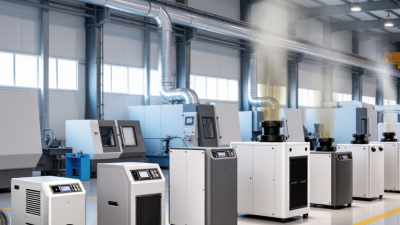
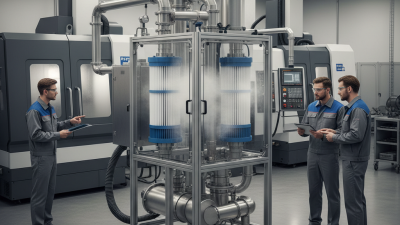
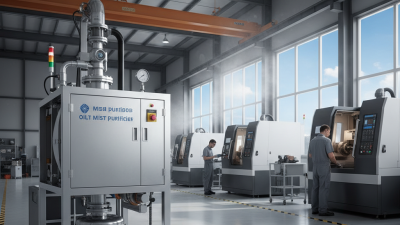
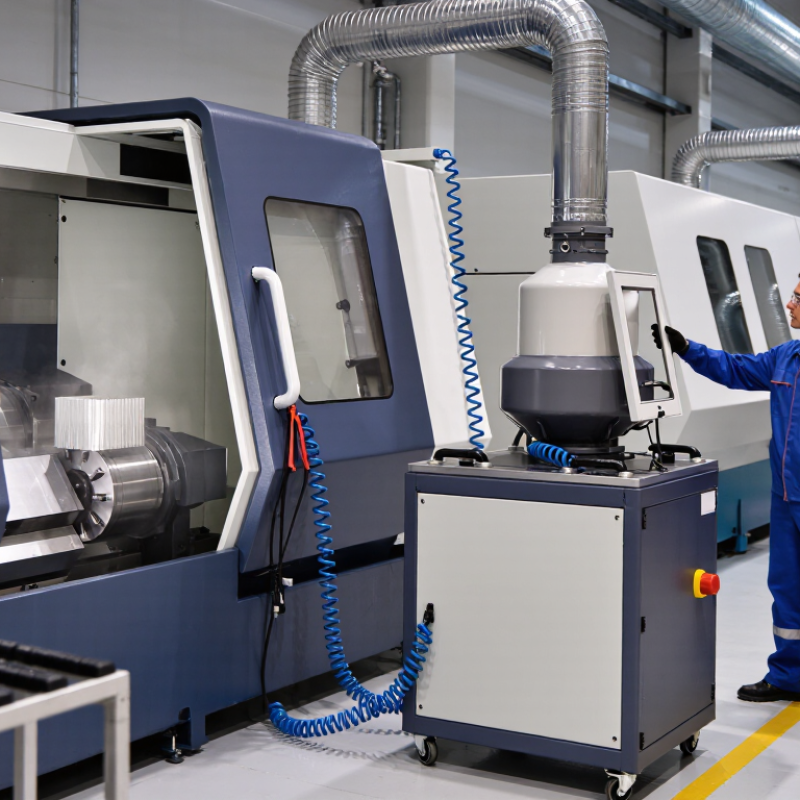
An oil mist filter collects airborne oil droplets produced by processes such as machining, grinding, or lubrication. A unit placed near an enclosed machine can draw contaminated air through filter media. The droplets are captured, and collected oil may drain into a container for handling or reuse, depending on the system design. That matters. Less mist settling on floors, work surfaces, and machine controls can make routine cleaning easier.
The filter also helps reduce airborne mist in the work area, but it is not a cure-all. Fine vapors and gases may need different controls, and a filter cannot replace good ventilation or safe operating procedures. Performance depends on the oil, mist concentration, airflow, and how well the unit matches the machine. A filter that is too small may struggle during busy production shifts. Bigger is not always better.
For a practical check, note the machine’s operating hours, visible mist, and any changes in airflow or pressure readings. Inspect drains and filter elements according to the equipment instructions; a blocked element can reduce capture. It is easy to assume the air is clean when the mist is no longer obvious. That assumption deserves a second look. Use suitable air-quality checks and qualified guidance when exposure or system performance is uncertain.
| Filter Type | How It Works | Best Fit in a Business Setting | Key Advantages | Points to Check Before Buying | Typical Maintenance |
|---|---|---|---|---|---|
| Mechanical coalescing filter | Filter media captures airborne oil droplets and combines smaller droplets into larger ones that can drain into a collection area. | Individual machine tools and processes that generate oil-based coolant or lubricant mist. | Suitable for many common oil-mist applications; collected oil may be recoverable when the system is designed for drainage and reuse. | Confirm airflow capacity, filter stages, pressure-drop limits, oil compatibility, and the stated collection efficiency for the relevant particle sizes. | Inspect and replace or clean elements according to the equipment instructions and actual loading. |
| Electrostatic precipitator (ESP) | Electrical charging and collection plates attract and capture airborne particles. | Applications with fine oil smoke or mist where the unit is specifically rated for the process and operating conditions. | Collection plates may be washable, which can reduce disposable-filter use in suitable installations. | Check electrical and fire-safety requirements, maintenance access, cleaning procedures, and suitability for the specific mist and process. | Clean collection cells and inspect components at intervals set by the manufacturer and operating conditions. |
| Centrifugal mist collector | Rotating components create centrifugal force that separates droplets from the airstream. | Machine-mounted applications with relatively consistent mist generation and a suitable installation layout. | Can provide compact source capture and direct collected liquid toward a drain or collection point. | Verify airflow and mist-load ratings, noise, vibration, drainage, and whether additional filtration is needed for fine aerosols. | Check the collection area, drain, and rotating components; follow the specified cleaning schedule. |
| Hybrid or multistage collector | Combines separation methods, such as a pre-filter with coalescing stages or electrostatic collection. | Processes with varying mist loads or where one collection stage alone may not meet the required air-quality target. | Multiple stages can address different droplet sizes and may help protect downstream components. | Ask for performance data for the complete system, including airflow, pressure drop, filter loading, and any final-filter requirements. | Service each stage as directed; a loaded pre-filter can affect airflow and overall system performance. |
| Centralized extraction system | Ductwork carries contaminated air from several capture points to a shared collector. | Facilities with multiple machines and a suitable duct route, airflow plan, and maintenance area. | Can consolidate collection and servicing for multiple sources when properly designed. | Have a qualified designer check total and branch airflow, duct layout, static pressure, make-up air, fire safety, and applicable local requirements. | Inspect the collector, ducts, capture hoods, drains, and airflow at individual pickup points. |
Selection note: An oil mist filter captures airborne droplets; it does not replace source control or general ventilation. Before purchasing, compare the machine’s required airflow with the collector’s rated airflow at the expected system pressure, and review test data, maintenance needs, and applicable workplace requirements. Performance and service intervals vary by process, oil, and operating conditions.