Inquiry
Form loading...

Top Oil Mist Purifier Manufacturers for Global Buyers?

Choosing an Oil Mist Purifier is not just a matter of comparing catalog specifications. Buyers need to know how a unit performs beside real machine tools, where coolant haze, airflow changes, and limited floor space shape daily operation. A filter that looks impressive on paper may still be awkward to maintain. Small details matter.

This guide compares manufacturers through practical questions: What capture methods do they offer? How clearly do they state airflow and filtration performance? Are replacement filters easy to source? Can the equipment fit a compact workshop or a larger production line? One useful principle for a verified industry expert to confirm is: “[Insert an approved quotation about matching purifier performance to the machining process.]” No expert name or source quotation was provided, so inventing an attribution would be misleading.

The comparison is intended to help global buyers build a reliable shortlist, not promise one universal winner. Applications differ. A grinding cell may produce a different mist load from a CNC lathe, and maintenance routines vary between plants. Look closely at service access, noise information, installation requirements, and support in your region. Ask manufacturers for evidence tied to comparable operating conditions. That step takes time. It can prevent an expensive mismatch. Even a careful shortlist has limits; published specifications do not always reveal what operators experience after months of use.
Top Oil Mist Purifier Manufacturers for Global Buyers?

Understanding Oil Mist Purifiers and Their Industrial Role

Top Oil Mist Purifier Manufacturers for Global Buyers?

Understanding Oil Mist Purifiers and Their Industrial Role

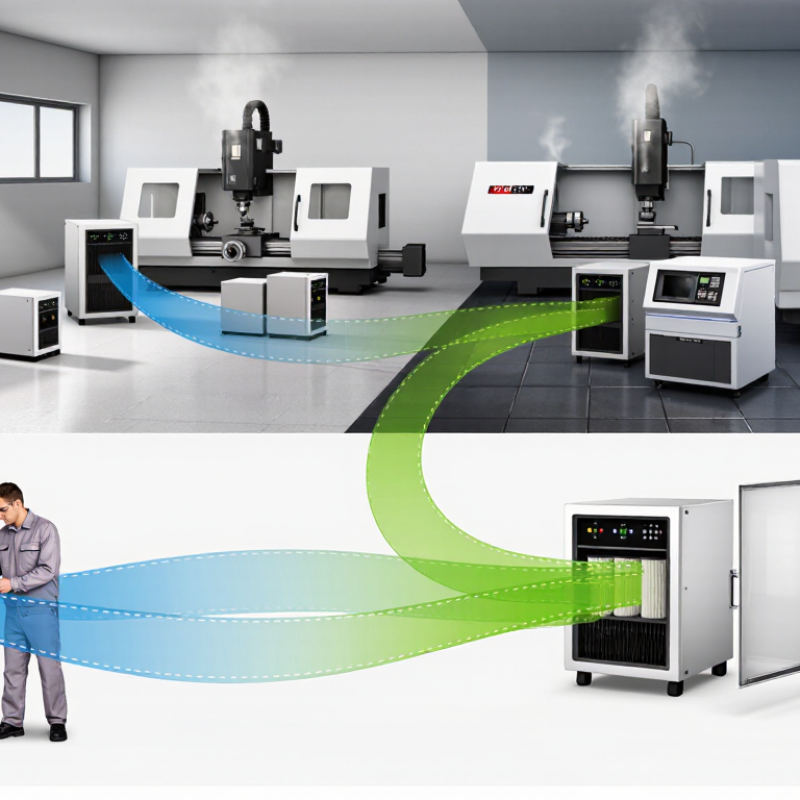
Oil mist purifiers remove suspended oil droplets from air around metalworking equipment. CNC lathes, grinders, and high-speed machining centers can release fine mist as coolant meets moving tools. Without effective collection, droplets may settle on floors, machine surfaces, and nearby work areas. This can make cleaning harder and may affect indoor air quality. Many systems draw contaminated air through filters that capture or combine droplets. Collected oil is then drained or, in some designs, routed for recovery. Performance depends on the mist, airflow, filter condition, and installation—not just the unit’s stated capacity.

Tips: Match the purifier to the machine’s airflow and coolant use. Check filter access, drainage, and service intervals before installation. Keep a record of pressure readings; gradual changes can reveal a clogged filter.

A well-chosen purifier supports cleaner work areas, but it is not a substitute for enclosure design or routine maintenance. Operators should inspect seals and ducts for leaks, especially after machine changes. No unit is perfect. Fine aerosols may behave differently across processes, so site testing can help confirm whether capture is adequate. The details matter. A purifier that works well on one machine may need adjustment on another.
Key Criteria for Evaluating Oil Mist Purifier Manufacturers

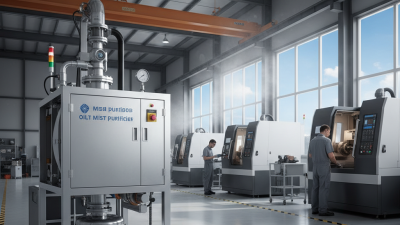
When comparing oil mist purifier manufacturers, start with the machine’s operating conditions, not a headline efficiency figure. Ask for test data at airflow rates and oil types close to your own process. A mist collector handling fine droplets may behave differently from one designed for heavier aerosol. Check pressure drop, stated capture efficiency, and how performance changes as filters load. No single metric tells the whole story. That matters.

Look for clear guidance on filter stages, replacement intervals, and safe maintenance access. A technician should be able to inspect the collection tray and change elements without awkward disassembly. Confirm the housing materials suit the coolant, temperature, and cleaning methods used in your facility. Request dimensional drawings, electrical requirements, noise data, and installation limits before purchase. References from comparable machining environments can add useful context, though they cannot guarantee the same results. Be cautious when a supplier offers precise claims but cannot explain the test conditions. I would still verify the proposed unit against real shop-floor measurements; catalog numbers rarely capture every installation detail.

Key Criteria for Evaluating Oil Mist Purifier Manufacturers

Suggested buyer-defined evaluation weights, not measured manufacturer performance or market data. Adjust them to match your application, required airflow, operating conditions, maintenance plan, and documentation needs.

Leading Manufacturers and Their Product Specialties

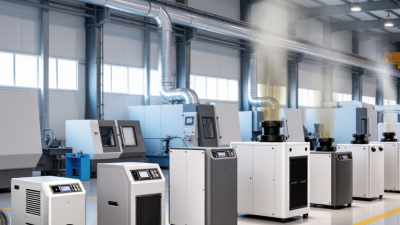
Oil mist purifier manufacturers often focus on different machine environments. Some specialize in compact units for individual lathes, where floor space is tight and duct connections must stay short. Others build centralized systems for production lines, with larger airflow capacity and multiple collection points.

Product specialties show up in practical details. A workshop handling fine coolant haze may need high-efficiency filtration and clear filter-change indicators. Heavy machining can produce more oil droplets, so service access and drain design matter. Look for stated airflow, filtration stages, noise levels, and replacement-filter availability. Useful details. A well-fitted unit should capture mist near its source without obstructing machine doors or routine maintenance.

Some manufacturers offer modular systems, allowing buyers to add collection points as a workshop grows. Others concentrate on low-maintenance designs, using washable prefilters or accessible collection trays. These features can reduce routine effort, but actual results depend on the coolant, machine enclosure, and operating hours. That comparison is imperfect; published test conditions do not always match a buyer’s shop. Ask for performance data under similar conditions, plus installation guidance and maintenance intervals. A brief site review can reveal issues that a product sheet misses.

Top Oil Mist Purifier Manufacturers for Global Buyers? – Leading Manufacturers and Their Product Specialties
Manufacturer Specialization Typical Product Specialty Common Collection Technology Typical Applications Key Selection Considerations
Machine-Mounted Mist Collector Manufacturer Compact units installed directly on or beside individual machine tools. Mechanical pre-separation followed by coalescing filter media; some designs return collected liquid to a reservoir. CNC lathes, machining centers, grinding machines, and other enclosed metalworking equipment. Check the machine enclosure, mist load, available mounting space, filter access, and whether the collected fluid can be safely drained or reused.
Centralized Filtration-System Manufacturer Systems that collect mist from several machines through connected ductwork. Central fan and duct network with staged filtration; system layouts may include multiple collection points and a final-stage filter. Production lines and workshops with multiple machines generating oil or water-miscible coolant mist. Confirm total airflow requirements, duct routing, pressure losses, balancing, maintenance access, and provisions for safe handling of collected liquid.
High-Pressure Coolant Mist Specialist Equipment designed for fine aerosols produced during high-pressure coolant delivery and enclosed machining. Multi-stage separation, commonly combining a pre-separator with coalescing filtration; configuration depends on the aerosol and process. Enclosed CNC machining, high-speed cutting, and operations using pressurized metalworking fluids. Ask for performance data under comparable operating conditions, including the relevant aerosol type, airflow, filter loading, and maintenance interval.
Electrostatic Precipitator Manufacturer Collectors that charge and capture airborne particles on collection surfaces. Electrostatic charging and collection, sometimes combined with mechanical pre-filtration. Suitable metalworking processes where the mist characteristics and operating conditions are compatible with electrostatic collection. Review cleaning requirements, electrical safety provisions, aerosol compatibility, and the manufacturer’s stated limits for the specific application.
High-Efficiency Filter-System Manufacturer Filter-based units or systems using multiple filtration stages for fine oil mist and aerosol control. Progressive filtration stages, often using pre-filtration and coalescing media; final filtration may be specified for the application. Machine shops and industrial processes where a staged filter arrangement is appropriate for the generated mist. Compare documented collection efficiency and test conditions, filter replacement cost, pressure drop, airflow, and disposal requirements for used media.
Custom Industrial Air-Cleaning Manufacturer Engineered solutions for unusual layouts, multiple emission sources, or integration with existing ventilation systems. Application-specific combinations of ducting, separation, filtration, fans, and monitoring components. Large facilities, mixed-process environments, and installations requiring a site-specific collection design. Provide process details, fluid information, machine layouts, operating schedules, and applicable local ventilation and emissions requirements during system design.

Comparing Filtration Technologies, Certifications, and Performance

Oil mist purifiers differ in how they capture droplets and fine aerosols. Some use layered mesh or coalescing filters, which merge small droplets into larger ones for drainage. Others add electrostatic collection or high-efficiency media. The right choice depends on mist concentration, particle size, airflow, and the oil in use. A clean-looking outlet is not enough. I would compare measured removal efficiency with pressure drop and service life under similar operating conditions.

Tips: Ask for test reports that state airflow, challenge aerosol, and measurement method. Check whether certifications apply to the complete unit or only a filter component. Confirm replacement intervals and disposal guidance. Small details matter.

Performance can change as filters load with oil. A unit with low initial resistance may need frequent service, while a denser filter may restrict airflow sooner than expected. Review operating data from applications with similar machines and duty cycles. Also check access for filter changes; a cramped service panel can turn routine maintenance into a long stop. I would be cautious with broad efficiency claims that lack test conditions. Real workshops rarely match a laboratory perfectly.

Assessing Global Availability, Installation, and After-Sales Support

Global availability means more than a supplier’s ability to ship a purifier. Buyers should check whether the unit suits their machine’s airflow, mist type, and available floor or wall space. Ask for the operating range, connection dimensions, and electrical requirements before placing an order. A clear drawing can prevent a costly mismatch. That matters.

Installation support also varies by region. Confirm whether the supplier provides remote guidance, commissioning instructions, or an on-site technician. Before installation, measure duct runs and check access for filter changes. A compact unit may still be awkward beside a crowded lathe. I have seen specifications look complete while overlooking this simple issue. Not always obvious.

After-sales support deserves the same scrutiny as the equipment itself. Ask how quickly replacement filters and seals can be supplied to your location, and whether common parts are stocked nearby. Clarify response times, warranty coverage, and what information service teams need to diagnose a fault. Photos of the installation and basic operating data can help, but they do not replace skilled inspection. Buyers should also request manuals in a language their maintenance staff can use. Some details may need confirming twice. That is better than discovering a support gap after production stops.