Inquiry
Form loading...

What Are the Top 10 Types of CNC Bits for Aluminum?

Choosing the right cutter for aluminum can determine whether a CNC job produces bright chips or a damaged workpiece. This guide, “What Are the Top 10 Types of CNC Bits for Aluminum?”, examines practical options for different machines, alloys, and cutting conditions. It considers end mills, roughing cutters, ball-nose bits, and specialized tools with polished flutes.

Aluminum is soft, but it is not always easy to machine. Its chips can weld to a dull tool. Heat can build near the cutting edge. A clean, sharp flute often matters more than an impressive tool label. In my workshop experience, a two-flute cutter with generous chip space has reduced clogging on many aluminum parts. Still, that choice can fail when the material, spindle speed, or feed rate changes.

Dr. Tony Schmitz, a respected machining researcher, has stated, “The tool, workpiece, and machine must be considered together.” That principle guides this discussion of Cnc Bits For Aluminum. Tool geometry, coating, helix angle, rigidity, and coolant strategy all influence the final result. There is no universal winner.

Some recommendations may seem obvious. They are not always correct. A polished uncoated bit may outperform a coated cutter in one setup, then chatter badly in another. Small details matter, including flute length and workholding pressure. The following overview compares ten common bit types and explains where each one performs well. It also points out their limitations, because honest tool selection requires more than repeating manufacturer claims.
What Are the Top 10 Types of CNC Bits for Aluminum?

What CNC Bits Are Best for Cutting Aluminum?

For cutting aluminum, the best CNC bit is usually a polished carbide O-flute cutter. Its single flute leaves extra room for chips, reducing recutting in soft, gummy alloys. A two-flute high-helix bit is another strong choice for deeper pockets and faster feed rates. Use a three-flute cutter when rigidity and smoother walls matter more than chip clearance. Avoid general-purpose steel bits; they often generate heat and weld aluminum onto the cutting edge.

Material data explains the problem. ASM Handbook reports aluminum alloys can conduct roughly 120–235 W/m·K, depending on composition and temper. Heat moves quickly into the workpiece, but packed chips can still cause edge failure. Keep the tool sharp, use a positive rake, and apply light lubrication or a suitable air blast. The U.S. Department of Energy’s industrial machining guidance also emphasizes chip evacuation and process cooling for better energy efficiency and tool life. Start with conservative feeds, then adjust after inspecting the chips. Shiny, curled chips are encouraging. Bluish dust is not.

The perfect bit does not exist. Thin sheet, cast plate, and gummy 6061 may need different geometries. I have seen a faster setting perform worse when the workholding was weak. That detail is easy to miss.
The Top 10 CNC Bit Types for Aluminum

The Top 10 CNC Bit Types for Aluminum begin with geometry, not marketing. The U.S. Geological Survey’s Mineral Commodity Summaries 2024 reports about 70 million metric tons of global primary aluminum output in 2023. That scale makes chip control and tool life practical concerns.

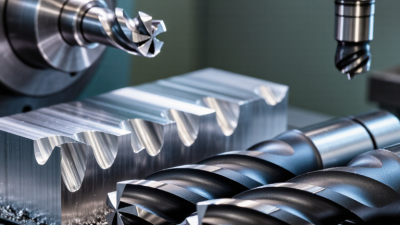
A single-flute O-flute bit clears soft aluminum quickly and leaves a clean edge. Two-flute high-helix bits suit general profiling and slotting. Three-flute cutters offer a useful balance between feed rate and finish. I often choose them for rigid machines, though that choice is not universal. Polished-flute bits reduce chip adhesion. Variable-helix bits can calm vibration on thin walls. Roughing bits remove stock aggressively, but they may leave visible marks. Expect cleanup.

Ball-nose bits fit 3D contours and curved cavities. Chamfer bits create consistent edge breaks. Aluminum-specific drills produce accurate holes when coolant or air clears chips effectively. Thread mills cut internal threads with controlled loads and easier correction. These are ten distinct options, yet real performance depends heavily on spindle speed, chip load, stickout, and workholding.

The International Aluminium Institute reports that recycled aluminum requires roughly 5% of the energy used for primary aluminum production. Reducing burrs and scrap therefore supports both cost control and resource efficiency. In practice, a sharp polished two- or three-flute cutter often beats a theoretically faster tool. I have learned this the hard way. A perfect bit cannot rescue a flexible setup, poor chip evacuation, or an overly cautious feed rate.

How Each Aluminum-Cutting Bit Differs in Design and Performance

What Are the Top 10 Types of CNC Bits for Aluminum?

Aluminum needs sharp edges, open flute space, and controlled heat. The International Aluminium Institute reported 70.6 million tonnes of primary aluminum production in 2023. That scale explains why efficient machining matters.

Single-flute bit A single-flute bit clears chips quickly in soft aluminum, but it can vibrate at high feed rates.
Two-flute bits Two-flute bits offer balanced chip removal and smoother walls.
Three-flute bits Three-flute bits support higher feed rates while preserving cutting space.
High-helix bits High-helix bits lift chips aggressively from deep pockets.
Variable-helix bits Variable-helix bits reduce repeating vibration and audible chatter.
Polished-flute bits Polished-flute bits resist chip welding on gummy alloys.
Roughing bits Roughing bits use serrated edges to remove stock quickly, leaving a textured surface.
Ball-nose bits Ball-nose bits create curved channels and 3D contours, though their center can cut poorly.
Corner-radius bits Corner-radius bits strengthen the cutting edge and reduce corner damage.
Compression bits Compression bits limit edge breakout in laminated aluminum panels, but require correct entry settings.

Tool design is only half the result. The U.S. Geological Survey estimated global aluminum production near 70 million tonnes in 2023, while alloy hardness, wall thickness, and machine rigidity vary widely.

In practice, a polished two-flute bit may outperform a more expensive geometry on a flexible router. That surprised me. More flutes are not automatically better.

Feed Feed, spindle speed, coolant, and chip load must match the bit diameter.
Manufacturer charts Even manufacturer charts need adjustment after observing burrs, melted chips, or a dull cutting sound.

When chips become dust, the process is already asking for review.

How to Choose the Right CNC Bit for Your Aluminum Project

Choosing the right CNC bit for aluminum starts with the alloy, machine, and finished surface you need. A soft sheet may cut cleanly with a single-flute O-flute bit. A rigid spindle can handle two-flute or three-flute end mills at higher feed rates. Variable-helix bits reduce vibration, while roughing mills remove heavy stock quickly. Ball-nose bits suit curved details, and chamfer, V-groove, drill, and countersink bits handle edge work and holes.

Chip removal matters more than many beginners expect. Aluminum chips can weld to a hot cutting edge, leaving a dull, torn surface. Use polished flutes, sufficient feed, and steady air to clear chips from the cut. For deep pockets, a two-flute bit often gives chips more room to escape. A smaller diameter improves detail, but it also bends more easily. I once chose a fine bit for a narrow slot and pushed it too hard. The slot looked accurate, yet the cutter wore quickly.

Check the bit’s cutting length against the material thickness. Excessive stick-out creates deflection and chatter. Match spindle speed and feed rate to the cutter diameter, flute count, and alloy. Start with conservative settings, then inspect the chips: curled chips suggest healthy cutting, while powder may indicate rubbing. Toolpath direction also matters; climb milling often leaves a cleaner finish on a rigid machine. Test on scrap first. Small adjustments can change the surface noticeably.

Key Cutting Parameters for Longer Bit Life and Cleaner Results

What Are the Top 10 Types of CNC Bits for Aluminum?

The main choices include single-flute, two-flute, polished-flute, upcut, downcut, compression, ball-nose, V-groove, engraving, and roughing bits. Aluminum varies by alloy, temper, and thickness, so one bit cannot fit every job. The U.S. Geological Survey’s Mineral Commodity Summaries 2024 reports roughly 70 million metric tons of primary aluminum production in 2023. That scale explains the need for controlled, repeatable machining practices.

Start with chip load, not maximum spindle speed. A practical formula is feed rate = chip load × flute count × revolutions per minute. For a two-flute bit at 18,000 rpm, a 0.08 mm chip load gives 2,880 mm/min. Reduce radial engagement when heat builds. Use a climb cut for cleaner edges, but secure thin sheets firmly. Poor fixturing can create chatter faster than a dull tool.

Keep the flute clean.

Polished flutes usually evacuate chips better. They also reduce aluminum welding on the cutting edge. The Machinery’s Handbook recommends matching cutting speed and feed to alloy, tool material, and rigidity. Its figures are starting points, not guarantees. I sometimes begin too aggressively and mistake noise for productivity. That is a costly lesson. Inspect the first cut for burrs, built-up edge, and a warm surface. ISO 8688-2 tool-life testing also supports measuring wear consistently, rather than judging performance by appearance alone.