What Is Custom Metalworking and How Does It Work?
Custom Metalworking turns a specific design into a metal part, assembly, or finished product. Unlike standard production, the work is planned around the project’s dimensions, material, quantity, and intended use. A steel bracket for a machine, for example, may need precise mounting holes, clean edges, and enough strength to handle repeated loads. Small details matter.
The process usually begins with a drawing or clear set of requirements. A metalworking team reviews dimensions, tolerances, material choices, and how the part will be used. Then workers select suitable methods, such as cutting, bending, machining, welding, or surface finishing. The right combination depends on the design. It also depends on the equipment and the material’s behavior. Fit comes first.
Before full production, a prototype or sample can reveal issues that a drawing cannot. A hole may sit too close to an edge. A bend may interfere with an adjoining part. Measuring the sample against the specified dimensions helps catch these problems early, though inspection methods vary by project. The first plan is not always right. That is worth remembering.
Once the design is approved, fabrication and quality checks follow. Clear communication about tolerances, finish, and delivery needs can reduce avoidable rework. Custom Metalworking is not simply shaping metal to order; it is a practical sequence of decisions, tests, and adjustments. Even a well-made part can disappoint if its real working conditions were never discussed.
Defining Custom Metalworking and Its Purpose
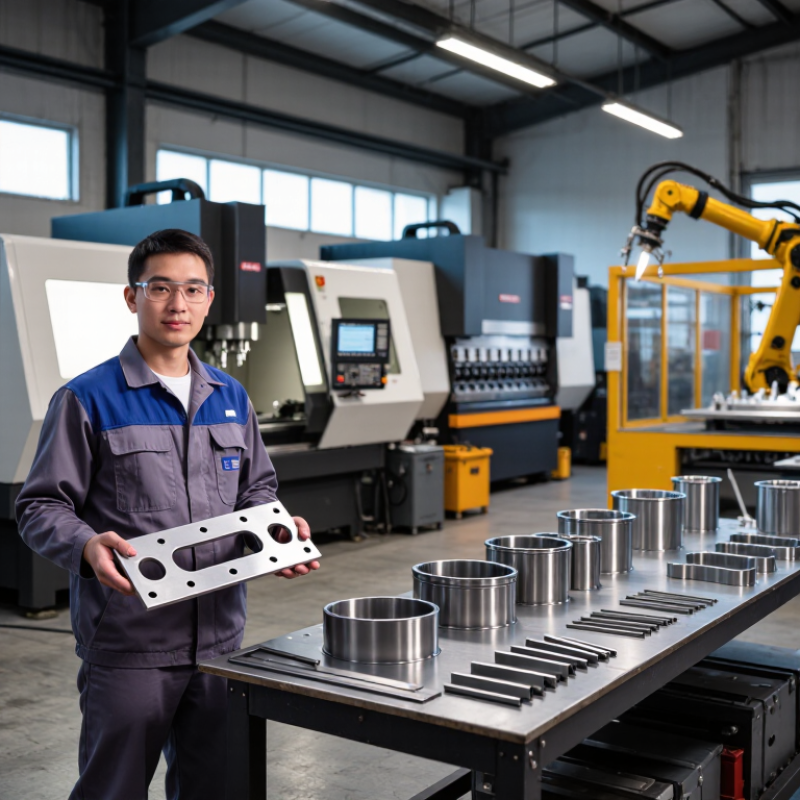
Custom metalworking is the design and fabrication of metal parts to meet a specific need rather than a standard catalog size. A job may involve cutting sheet steel, bending an aluminum bracket, or machining a small batch of stainless-steel fittings. The purpose is to match a part’s dimensions, material, and function to its actual use. That can help when an existing component does not fit, or when a project needs a particular shape or strength. It is not automatically better than standard manufacturing. Custom work can take more time and may cost more, especially when drawings or measurements are incomplete.
The process usually begins with a sketch, sample, or technical drawing. A fabricator reviews dimensions, material thickness, expected loads, and finish requirements before choosing suitable methods. These may include cutting, forming, machining, and welding. Small details matter. A hole placed a few millimeters off can prevent a bracket from fitting. Still, a drawing may not capture how a part behaves in real conditions, so prototypes or fit checks can reveal problems early.
Tips: Share measurements, intended use, and any must-have tolerances. Ask how edges, welds, and surface finishes will be handled. Keep a sample if you have one. It helps, but it is not a substitute for clear measurements. After testing the part, note what worked and what needs adjustment.
Materials and Design Requirements in Custom Metalwork
Material choice sets the limits of custom metalwork before cutting begins. Carbon steel is strong and widely available, but exposed parts may need coatings to resist corrosion. Stainless steel handles moisture better, while aluminum reduces weight but can complicate welding and threaded connections. The World Steel Association reported 1,892.2 million tonnes of crude steel production in 2023; the USGS estimated global aluminum production at about 70 million tonnes that year. These figures show the scale of material supply, not which metal suits a specific part. Small details matter.
A useful design brief states the part’s loads, environment, dimensions, finish, and acceptable tolerances. A bracket mounted outdoors may need drainage holes, rounded corners, and corrosion-resistant material. For a folded panel, designers should check bend radius, sheet thickness, and grain direction; otherwise, cracks or unexpected distortion can appear. Weld access and tool clearance also matter. A drawing can look precise and still be impractical to fabricate. That is worth questioning early. Fabricators can review critical dimensions against the chosen process, then confirm them with a prototype or first-article inspection. Allowing realistic tolerances often reduces rework without sacrificing fit.
How a Custom Metalworking Project Is Planned
A custom metalworking project begins with a clear description of what the part must do. Planning starts with use, not appearance. A designer or fabricator asks about loads, temperature, moisture, and how the part will connect to nearby components. A hand sketch may show a mounting plate, but dimensions, hole locations, and edge conditions need to be recorded before production.
Material and process choices follow. A thin aluminum panel may suit a lightweight enclosure, while a thicker steel plate may better handle repeated force. The shop checks whether the design can be cut, bent, machined, or welded with available equipment. Tolerances matter, too. A hole that must align with a mating part needs tighter control than an exposed edge. Small details can change cost and lead time.
The plan should include a drawing, material specification, finish requirements, quantity, and inspection points. A prototype can reveal problems that a screen drawing misses. For example, a bracket may fit individually but block access to a nearby screw. That is worth catching early. Even careful planning is imperfect; measurements from an old assembly may be wrong. A first article gives the team a chance to check fit, revise the drawing, and confirm the part works before making the full batch.
Core Fabrication Steps: Cutting, Forming, and Joining
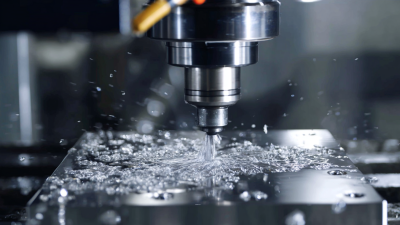
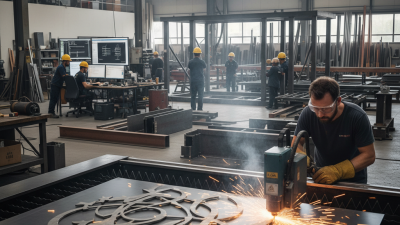
Custom metalworking turns drawings, measurements, and material specifications into usable parts. The core sequence is cutting, forming, and joining, though the order can change with a part’s geometry. Cutting may use shears, saws, plasma, or laser systems. A clean edge matters: roughness or heat distortion can affect later fit-up. Operators check dimensions against the drawing, not just the machine display. Small errors travel.
Forming bends or rolls sheet and plate into shape. Tooling, material thickness, and bend radius all influence the result; springback can make a part open slightly after bending. A test piece often reveals this before a full batch is run. Joining then connects components through welding, fastening, or other specified methods. Welders control joint preparation, heat, and sequence to limit distortion. That work relies on trained hands as well as equipment. The U.S. Bureau of Labor Statistics projects about 45,800 annual openings for welders, cutters, solderers, and brazers from 2023 to 2033 (Occupational Outlook Handbook, 2023–2033 projections). Final inspection checks dimensions, alignment, and joint quality. A part may meet its drawing and still need review for how it will be assembled. Details get missed.
What Is Custom Metalworking and How Does It Work? - Core Fabrication Steps: Cutting, Forming, and Joining
| Core step |
Common methods |
What happens |
Typical checks |
| 1. Design and planning |
CAD drawings, material selection, process planning |
The part’s dimensions, material, required features, and fabrication sequence are defined before production. |
Drawing revisions, material grade and thickness, critical dimensions |
| 2. Cutting |
Laser cutting, plasma cutting, waterjet cutting, sawing, shearing |
Sheet, plate, tube, or bar stock is cut into blanks or components. The suitable method depends on material, thickness, shape, and edge requirements. |
Part size, cut profile, edge condition, and visible heat effects where applicable |
| 3. Forming |
Press-brake bending, roll forming, stamping, rolling |
The cut material is shaped by applying force. Forming can create bends, curves, channels, or other profiles without removing material. |
Bend angle, dimensions, shape consistency, and surface condition |
| 4. Joining |
Welding, bolting, riveting, mechanical fastening |
Components are assembled into a larger part or structure. Welding fuses metal; bolts and rivets join parts mechanically. |
Joint location, fit-up, fastener installation, and weld appearance or inspection requirements |
| 5. Finishing and inspection |
Deburring, grinding, coating, painting, dimensional inspection |
Edges may be smoothed, surfaces prepared or protected, and the completed part checked against its drawing and requirements. |
Final dimensions, finish coverage, sharp edges, and specified acceptance criteria |
The exact process sequence varies with the part design, material, production volume, and required finish.
Finishing and Quality Checks for Custom Metal Parts
Finishing begins after cutting, forming, and welding, but it should be planned earlier.
A sharp edge may need deburring, while a visible panel may require a smoother finish. The method depends on the metal, part geometry, and intended use. Small details matter. A brushed surface can hide minor marks, yet it may also make scratches more noticeable when light crosses the grain.
Coating, plating, or painting usually requires careful surface preparation. Oil, dust, and oxidation can weaken adhesion, so parts are cleaned and inspected before treatment. A technician may check corners and recesses, where residue can remain. Coating thickness also matters: too much can affect fit around holes or mating surfaces. There is no perfect finish for every job. A highly polished surface may look appealing but show fingerprints and handling marks.
Quality checks compare the finished part with its drawing and agreed tolerances. Calipers or micrometers can verify critical dimensions; gauges may confirm hole size and alignment. Inspectors also look for burrs, cracks, uneven welds, coating gaps, and distortion. For larger runs, documented sampling can reveal recurring variation, though sampling will not catch every defect. A practical inspection record notes the measurement, tool, and result. When a part fails, rework is not always wise: grinding can remove protective material or change a critical dimension. That decision deserves a second look.