How to Choose the Best Custom Metalworking Supplier?
Choosing the right custom metalworking supplier is crucial for manufacturing success. The market for custom metalworking is projected to reach $200 billion by 2025, highlighting the industry's significance. This growth is driven by the increasing demand for tailored metal parts across various sectors, including automotive and aerospace.
When selecting a supplier, factors such as experience and technological capabilities are vital. A supplier's portfolio should reflect expertise in producing complex designs and high-quality materials. Evaluating their previous projects provides insight into their reliability. Customers often express concerns about lead times and production costs, underscoring the need for transparent communication.
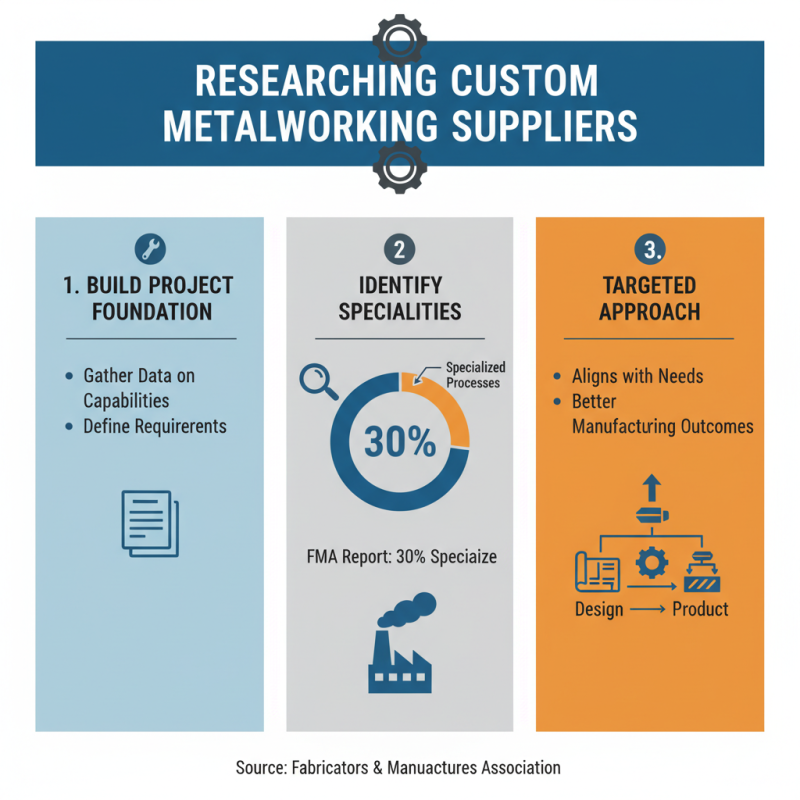
However, many buyers overlook the importance of long-term partnerships. A supplier's ability to adapt to changing requirements can significantly impact project outcomes. Industry reports suggest that over 30% of companies encounter issues with their suppliers. This statistic serves as a reminder to thoroughly assess potential partners before making commitments. Research and careful consideration will lead to better decisions in the custom metalworking landscape.
Identifying Your Custom Metalworking Needs and Specifications
When selecting a custom metalworking supplier, it’s vital to identify your specific needs and specifications. Determine the type of metal required, dimensions, and intended application. Research shows that 70% of projects face delays due to unclear specifications. Understanding these details can prevent costly mistakes.
Consider functionality and design requirements. Are you creating structural components or decorative pieces? Your choice of supplier should align with your project goals. Ask for their experience in similar projects. A reliable supplier can showcase past successes that relate to your needs, reinforcing their capability.
Tip: Create a detailed list of your specifications before reaching out to suppliers. This way, you can easily compare their offerings.
Additionally, think about production capabilities. Can they handle large volumes or small batches? Suppliers should be able to adapt to your changing needs. Some may struggle with scaling up or down, impacting deadlines. Evaluating these aspects will help establish a strong relationship with your chosen supplier, ensuring project success.
Tip: Engage with potential suppliers during the design phase. This can lead to better design solutions.
How to Choose the Best Custom Metalworking Supplier? - Identifying Your Custom Metalworking Needs and Specifications
| Criteria |
Description |
Importance Level |
Example Specifications |
| Capabilities |
The range of services they offer, including machining, welding, and fabrication. |
High |
Laser cutting, CNC machining, TIG welding |
| Experience |
Years in operation and industry knowledge. |
Medium |
Over 10 years in aerospace metalworking |
| Certifications |
Relevant industry certifications that ensure quality standards. |
High |
ISO 9001, AS9100 |
| Turnaround Time |
The time they need to complete a project from start to finish. |
Medium |
2 to 4 weeks for prototype components |
| Material Options |
The variety of metals and alloys they can work with. |
High |
Stainless steel, aluminum, titanium |
| Customer Reviews |
Feedback from previous clients regarding quality and service. |
Medium |
4.5 out of 5 stars on average |
Evaluating Supplier Credentials and Industry Experience
When choosing a custom metalworking supplier, evaluating their credentials is crucial. Start by checking their certifications and licenses. These documents reflect their adherence to industry standards. A supplier should be transparent about their qualifications. Don’t hesitate to ask for documentation. Experience speaks volumes. A supplier with years in the field is likely to have dealt with various challenges. They can offer insights that less experienced companies cannot.
Industry experience matters. Suppliers should have a solid understanding of different metal types and processes. Look for evidence of past projects. Case studies or customer testimonials can provide valuable insight. Pay attention to their portfolio to gauge their ability to meet specific requirements. Communication is key. Ensure they are responsive and willing to discuss your needs in detail. This can indicate their commitment to quality.
Lastly, consider their reputation in the industry. Research reviews and feedback from past clients. A strong track record enhances reliability. Suppliers are not perfect. They may have had issues in the past. However, how they address these challenges reveals their professionalism. An ideal supplier learns from their mistakes and continually improves. This adaptability is essential in the ever-evolving metalworking landscape.
Assessing Quality Control Procedures and Standards
When selecting a custom metalworking supplier, understanding their quality control procedures is crucial. Quality control ensures that the end product meets the necessary standards and specifications. A reliable supplier will have detailed processes in place. Look for certifications that indicate their commitment to quality. For example, ISO certifications can demonstrate reliable practices.
Evaluate the inspection procedures they use. Are they performing regular checks during production? Do they have end-process evaluations? These steps can signal a commitment to quality. It’s essential to ensure that a supplier adheres to high standards. This not only reflects on the final product but also on the supplier’s reliability.
Tips: Request samples before committing. Real-world examples provide insights into quality consistency. Ask for case studies or testimonials from previous clients. Additionally, seeing the facility can paint a realistic picture. Watch closely for cleanliness and organization; these are often indicators of quality practices. If a supplier seems evasive about their procedures, reconsider your options.
Quality Control Procedures for Custom Metalworking Suppliers
Comparing Pricing and Delivery Times Among Suppliers
Choosing the right custom metalworking supplier is crucial. Pricing and delivery times are often primary concerns. Industry reports indicate that on average, suppliers take 4-6 weeks for delivery. However, some can deliver in as little as two weeks. It's vital to assess these timelines based on your project's urgency.
Pricing is another key factor. A survey from the Custom Metalworking Association showed that costs can vary by up to 30% among different suppliers. Factors influencing price include material quality, labor, and the complexity of the project. Ensure you request detailed quotes for a fair comparison. Look for transparent pricing structures that help you identify hidden costs.
Tips: Always ask for samples before making a decision. This can help you evaluate the quality of work. Additionally, prioritize suppliers with clear communication. Delays can worsen if misunderstandings occur. Keep a checklist of essential requirements to use during supplier evaluations. This approach will help ensure you choose wisely.