How to Buy Clamping Collets for Your Manufacturing Needs?
When exploring the world of manufacturing tools, one crucial component stands out: clamping collets. These devices play a vital role in holding tools securely during machining processes. Understanding how to buy clamping collets can significantly enhance your manufacturing efficiency. Selecting the right collet can improve precision and reduce operational setbacks. Missing the mark here could lead to costly mistakes and delays.
Many manufacturers might rush this decision, but taking the time to research is essential. Different types of collets have specific applications. Factors such as material, size, and compatibility must be considered. Collets that don’t fit well can affect tool performance and lead to downtime. Buyers should not overlook the necessity of quality and reliability in their purchases.
Choosing the right supplier is equally important. Established manufacturers often provide a wider range of choices and better product support. If you're uncertain, discussing your needs with knowledgeable professionals can help you make informed decisions. Ultimately, learning how to buy clamping collets is about balancing quality, cost, and suitability for your needs.
Understanding Clamping Collets: Types and Specifications
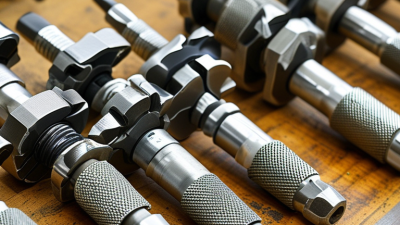
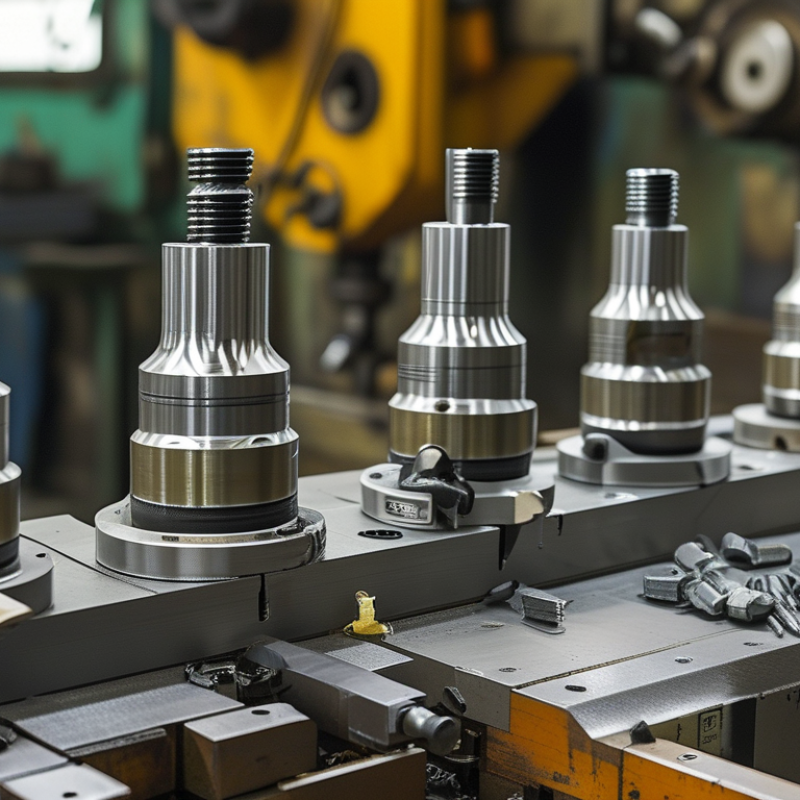
Clamping collets are essential components in manufacturing. They hold tools and workpieces securely during machining processes. Understanding the types of collets available is crucial for selecting the right option. Some common types include hex collets, round collets, and square collets. Each type serves different applications. Knowing the specifics helps ensure accuracy and reliability in manufacturing.
Specifications matter when selecting clamping collets. Factors such as size, material, and taper design influence performance. Steel collets offer durability, while aluminum can reduce weight. Pay close attention to the tolerance levels. They dictate how well collets grip and align tools. An improper choice could lead to issues like tool slippage, affecting product quality.
Manufacturers often face challenges when choosing collets. Misunderstanding the requirements could result in costly errors. Engaging with experienced machinists can provide valuable insights. Testing different types and specifications may lead to better decision-making. Developing a deeper understanding takes time but pays off by enhancing production efficiency.
Key Factors to Consider When Buying Clamping Collets
When searching for the right clamping collets, several key factors deserve careful consideration.
The material of the collet plays a crucial role in performance. High-quality materials, like hardened steel or carbide, often provide superior durability and precision.
According to industry reports, collets made from high-speed steel show a wear resistance increase by up to 30%.
This means they maintain accuracy longer, which is vital for any manufacturing process.
Another critical factor is the collet size and compatibility with your existing tools. Understanding the taper type and diameter is essential to ensure a secure fit.
Ill-fitting collets can lead to vibration and reduced hold on workpieces. Research shows that more than 25% of tool failures in machining can be attributed to improper clamping.
Regular checks for collet wear can help avert costly mistakes.
For those new to purchasing collets, consider these practical tips. Always ensure that you buy collets designed for your specific machining applications.
When possible, consult with professionals to gauge which options fit your needs best. Investing in collets that match your operational requirements may significantly enhance productivity.
Moreover, periodically assess your collets’ performance to identify signs of wear early. This proactive approach can save time and prevent disruptions in your manufacturing workflow.
Evaluating Compatibility with Your Existing Equipment
When selecting clamping collets, compatibility with existing equipment is essential. Manufacturers must assess their current machines first. Check the specifications of your equipment. Look for operational requirements and limitations. Each machine operates best with specific collet types. Neglecting this can result in inefficiencies or even damage.
It's crucial to understand the standards your equipment follows. Metric and imperial measurements often differ. Using mismatched collets may lead to problems. This requires careful consideration and precision in choosing compatible collets. Don't forget about the collet's gripping range. The range should coincide with your tooling needs. A collet that doesn't fit will hinder production.
Past experiences can provide insights into what works and what doesn’t. However, not every choice yields immediate results. Be prepared to reevaluate initial selections. Sometimes, trial and error is part of the process. Document your findings to streamline future purchases. This approach fosters improvement and maintains efficiency in manufacturing operations.
Exploring Quality and Brand Options in the Market
When exploring clamping collets for your manufacturing needs, quality becomes paramount. Collets made from durable materials offer better performance and longevity. A reliable collet should withstand high torque and maintain precision under varying conditions. Cheap options may save money but could compromise the integrity of your work.
Brand reputation plays a significant role in your decision-making. Some brands consistently deliver high-quality products, making them stand out in the market. Researching specifications and reading reviews can help identify these trustworthy brands. However, remember that the most recognized brand isn't always the best fit for every application. Your specific needs should dictate your choice.
Another consideration is compatibility with existing equipment. Ensure the collets fit your machines seamlessly. A common mistake is overlooking specifications, which can lead to inefficiencies. Ultimately, investing time in understanding quality and brand options can lead to better outcomes in your manufacturing processes. It requires reflection to assess your priorities and adjust your choices accordingly.
Tips for Purchasing and Sourcing Clamping Collets Efficiently
When purchasing clamping collets, efficiency is key. Start by conducting thorough research on the types of collets available. According to a report by the International Journal of Advanced Manufacturing Technology, the global demand for precision components, including collets, is expected to grow by 5% annually. This highlights the importance of sourcing the right products for your manufacturing processes.
Consider the specifications required for your machinery. Different collet designs cater to various applications. For instance, ER collets are widely used for their versatility and precision. Inaccurate or ill-suited collets can lead to production delays or equipment damage. The American National Standards Institute (ANSI) recommends checking tolerances carefully to avoid these pitfalls.
Leverage online marketplaces and supplier databases to source collets efficiently. Look for suppliers with a proven track record. According to industry analyses, over 70% of manufacturers experience difficulties finding reliable suppliers. Networking within industry forums can provide insights into which suppliers are trustworthy. Regular communication with suppliers is essential, as it helps ensure that you receive high-quality products consistently.