How to Choose the Right Angle Grinder Head for Your Needs?
Choosing the right Angle Grinder Head is crucial for achieving optimal results in various projects. In a recent report by MarketsandMarkets, the angle grinder market is projected to grow significantly, driven by the demand for metal fabrication and construction industries. Selecting the appropriate head can enhance efficiency and performance, impacting project timelines and costs.
The options for Angle Grinder Heads can be overwhelming. Each type serves a specific purpose, from cutting to grinding or polishing. Understanding these distinctions is essential. According to industry experts, using the wrong head can lead to subpar results and increased wear on the tool. This reality emphasizes the importance of making an informed choice.
Many users overlook factors like size or material compatibility when selecting an Angle Grinder Head. These details can significantly affect functionality. Reflecting on past projects can provide insight into what works best for specific tasks. Seeking advice from experienced users may also lead to better decisions. The right head not only improves work quality; it can also prolong the lifespan of your angle grinder.
Understanding the Different Types of Angle Grinder Heads
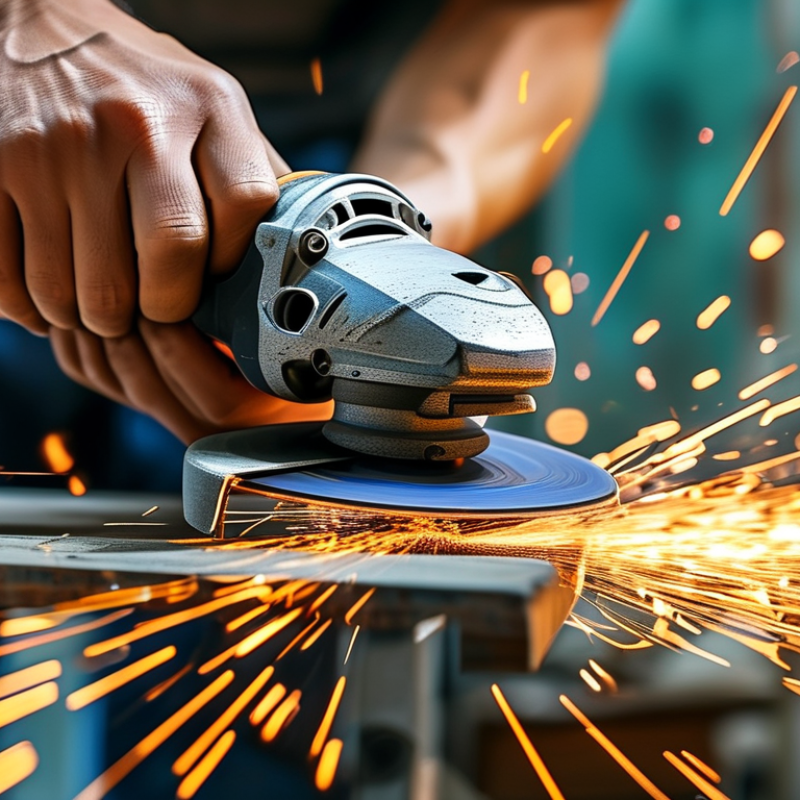
Choosing the right angle grinder head can be challenging. There are various types available, each designed for specific tasks. The main categories include grinding wheels, cutting wheels, and flap discs. Understanding these types helps ensure you select the right tool for your project.
Grinding wheels are ideal for heavy material removal. They come in different grit levels, suitable for various metals. If you're working on a surface that needs a lot of work, these wheels are your go-to. Keep in mind, though, they can go through materials quickly, so use them carefully. Overzealous grinding can lead to damage.
Cutting wheels serve a different purpose. They excel at slicing through materials like metal and tile. Flap discs provide a smooth finish and are useful for blending. However, they may wear out faster than other options. It's essential to consider material compatibility when selecting a head. An incompatible choice could hinder your progress or even damage your workpiece.
Factors to Consider When Choosing an Angle Grinder Head
Choosing the right angle grinder head is crucial for optimal performance. Factors like material type, head size, and intended use significantly affect your choice. According to industry experts, the right head can increase efficiency by up to 40%. If you’re working with metal, a type 27 grinding wheel might be ideal. However, for masonry, consider diamond blades.
Head size also matters. The most common sizes range from 4.5 inches to 9 inches. Smaller sizes are easier to handle and ideal for tight spaces. Conversely, larger heads are suitable for heavy-duty tasks. A study indicated that 45% of users prefer smaller sizes for home projects due to their versatility.
It's important to reflect on your specific needs. Not everyone requires a high-speed head. Some might benefit from lower RPM for precise work. Training is essential for effective use. A report found that user errors contributed to 30% of accidents in angle grinder usage. Understanding your task will ensure you select the right head, minimizing risks and enhancing productivity.
Material Compatibility: Selecting the Right Head for Your Project
Selecting the right angle grinder head is crucial for achieving optimal results in any project. Material compatibility plays a vital role in this process. For instance, when working with metals, a grinding disc made of aluminum oxide is often suitable. It provides efficient material removal and creates a smooth finish. Meanwhile, cutting discs designed for steel often use a different composition, enabling precision cuts without excessive wear.
Considering the material you are working with is essential. Different surfaces require different types of grinder heads. For example, ceramic tiles are best addressed with diamond blades, offering durability and a fine cut. However, not every head will work perfectly every time. Testing different types may be necessary. A head that works well on one type of ceramic might struggle with another.
Be cautious of experimenting with subpar materials. They may seem cost-effective but can lead to poor results. It's easy to overlook the importance of material selection. Take some time to understand the specifics of your project. This understanding can improve your work efficiency dramatically.
Safety Features and Considerations for Angle Grinder Heads
When selecting an angle grinder head, safety should be your top priority. A reliable grinder head should feature ample protection to minimize risks. Look for models that come with protective guards. These guards shield you from sparks and debris during operation. Properly fitted guards are crucial. Ensure they cover the rotating disc effectively.
Another vital consideration is the safety switch. Many grinders now include a locking mechanism. This prevents accidental startup, which can lead to serious injuries. Look for models with instant shut-off capabilities. In an emergency, this feature can be a lifesaver. Ergonomic designs can also make a difference. Comfortable grips reduce fatigue and enhance control, promoting safer usage.
Don't overlook the importance of your personal protective equipment. Safety goggles and gloves are essential. They provide an extra layer of defense against accidental cuts or flying particles. Regularly inspect your equipment for wear and tear. Even reliable tools can fail. An overlooked issue might compromise safety. A consistent evaluation increases your safety and confidence while working.
Maintenance Tips for Prolonging the Life of Your Grinder Head
Proper maintenance of your angle grinder head can significantly extend its lifespan. Research suggests that regular cleaning can increase the durability of grinding tools by up to 30%. Dust and debris can cause wear, leading to less efficient performance. To mitigate this, ensure you clean your grinder head after each use. Use a soft brush or compressed air to remove particles that could obstruct functionality.
Moreover, lubrication is critical. A well-lubricated grinder operates smoothly, reducing friction and preventing overheating. Studies indicate that appropriate lubrication can reduce maintenance costs by as much as 25%. Opt for high-quality lubricants, and apply them according to the manufacturer's recommendations. Be mindful; over-lubrication can attract more debris, potentially causing further issues.
It’s also important to inspect your grinder head regularly. Look for signs of wear, cracks, or damage. Ignoring these issues might lead to larger problems down the line. Regular inspections create an opportunity for early intervention, potentially saving costs on replacements. Should you notice any deterioration, don’t hesitate to address it immediately. After all, ignoring maintenance needs can transform minor problems into serious repairs, escalating both time and costs.