Top 10 Cnc Bits For Aluminum Which One Is Right For You?
CNC machining has become a vital process in the manufacturing industry. Choosing the right tools is crucial, especially when working with aluminum. James Turner, a respected expert in CNC machining, once stated, "Selecting the right CNC bits for aluminum can significantly enhance your production quality."
In this guide, we will explore the top 10 CNC bits for aluminum. Each bit has unique features designed for specific applications. Understanding these differences is essential for achieving optimal performance. There is often confusion about which bits to choose. Not every bit works equally well on aluminum.
Some bits produce cleaner cuts, while others may lead to rough edges. It's essential to consider the material and the desired finish. Many users find themselves doubting their choices, feeling overwhelmed by the options available. This guide aims to clarify those uncertainties and assist in making informed decisions about CNC bits for aluminum. Hopefully, it will help both beginners and seasoned machinists.

Understanding CNC Bits: Key Concepts for Aluminum Machining
When machining aluminum, selecting the right CNC bits is crucial. These bits directly impact precision and efficiency. According to a recent industry report, improper bit selection can result in a 20% increase in production time. This inefficiency underscores the importance of understanding various bit types for aluminum.
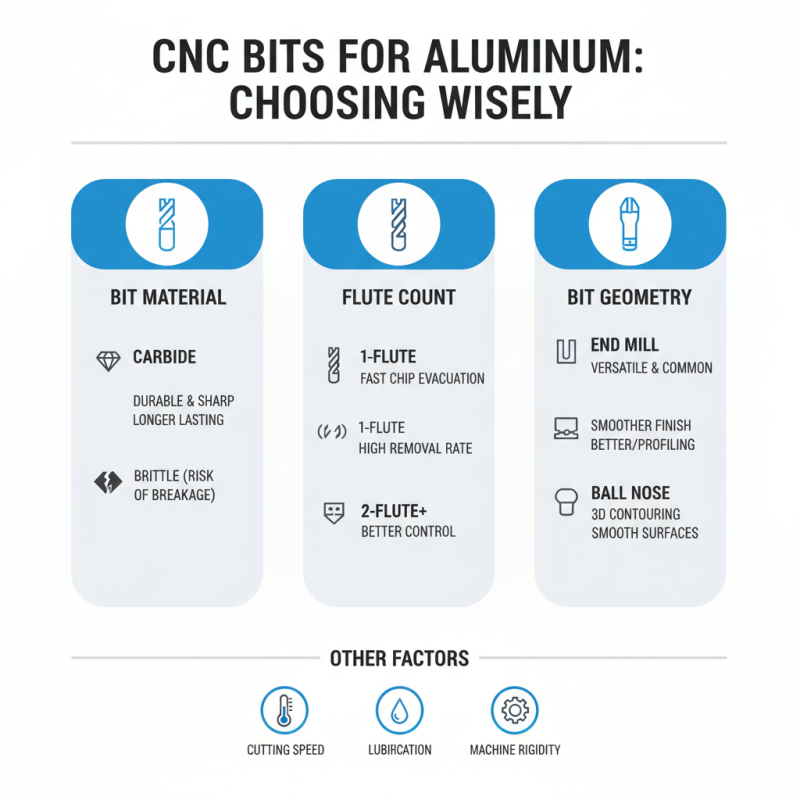
CNC bits vary in design and application. For instance, two-flute bits typically provide better chip removal, which is essential when cutting aluminum. They can offer a smoother finish. However, they may not withstand high feed rates compared to four-flute options. This highlights a common oversight: many machinists choose bits based solely on the desired finish, neglecting operational efficiency.
Another concern is the material composition of the bits themselves. Solid carbide bits offer durability, yet they can be expensive. The industry faces challenges with wear and breakage when using lower-quality bits, leading to increased costs. Regular assessments of bit performance are necessary. Often, users fail to adapt their choices based on wear patterns, impacting overall productivity. Understanding these concepts will lead to better decisions in CNC machining for aluminum.
Top 10 CNC Bits for Aluminum: Performance Comparison
This chart illustrates the cutting efficiency of various CNC bits designed for aluminum machining, rated on a scale from 1 to 10. Understanding these ratings can help you choose the right CNC bit for your specific needs.
Types of CNC Bits Suitable for Aluminum: A Comprehensive Overview
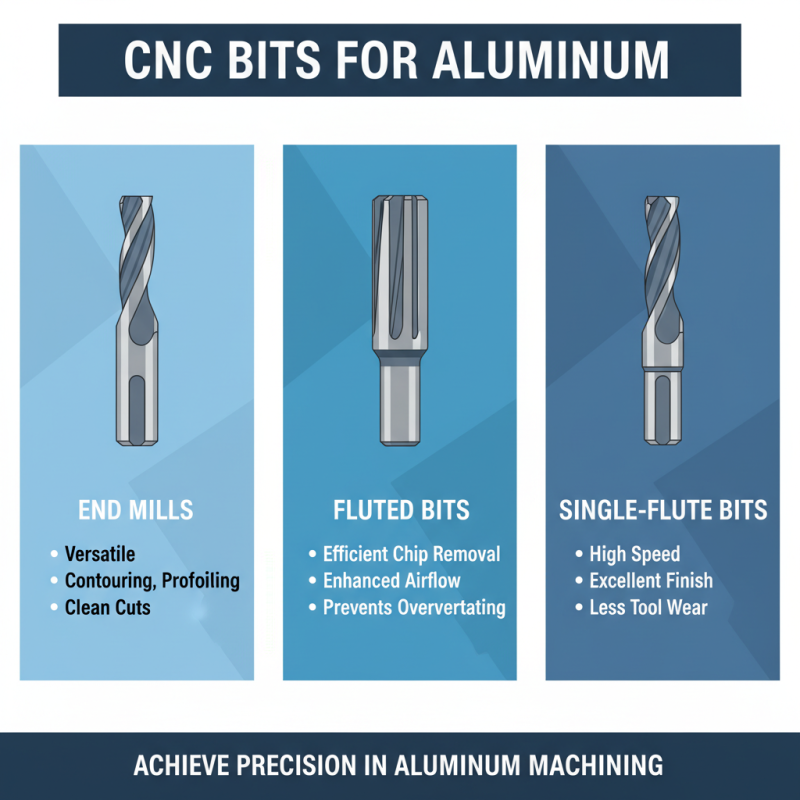
When working with aluminum, selecting the right CNC bits is crucial for achieving desired results. Different types of CNC bits offer various benefits. For example, end mills are versatile. They can handle contouring, profiling, and pocketing tasks. Their sharp edges help in creating clean cuts. Fluted bits are ideal for chip removal. Their design enhances airflow, preventing overheating.
Another option is the ball nose bit. This tool is perfect for 3D carving. Its rounded tip offers smooth transitions, especially in curved surfaces. However, these bits can dull quickly. Regular maintenance is necessary to keep them effective. Keep in mind that using the wrong bit can lead to frustration. It may cause damage to your material or tools.
Considering spiral bits is also important. They come with varying flute counts. Fewer flutes provide better chip removal, while more flutes yield finer finishes. Yet, selecting the right flute count can be confusing. Trial and error might be needed. Reflecting on past experiences helps in making better choices. Each project can teach valuable lessons about which bit performs best under specific conditions.
Factors to Consider When Choosing CNC Bits for Aluminum
Choosing the right CNC bits for aluminum can be a daunting task. There are various factors that come into play. First, consider the material of the bit. Carbide bits are popular due to their durability and sharpness. They tend to last longer than other materials, which can save you money over time. However, they can be brittle. A smaller mishap could lead to breakage, which might be frustrating.
Next, think about the bit's geometry. Different shapes are designed for specific cuts. Spiral bits, for instance, are great for a smooth finish. They promote efficient chip removal. On the other hand, flat-end bits can leave a rougher edge. That may require additional finishing work, adding to your project timeline. It's also worth reflecting on the feed rate and speed settings of your machine. If these factors are not properly matched, you risk damaging both the bit and the material.
Taking all these considerations into account, you'll find that your choices may still seem overwhelming. Test a few types to see what works best for your projects. Sometimes, what looks good on paper might not perform well in practice. Adjustments are part of the learning process. Be prepared to experiment and refine your techniques for the best results.
Top Brands and Their Popular CNC Bits for Aluminum
When choosing CNC bits for aluminum, understanding popular brands helps simplify the decision. Statistics show that cutting efficiency deeply depends on the bit design and material. A well-selected bit can enhance productivity by up to 30%. High-speed steel bits are often seen. They provide durability but might wear quicker than carbide bits.
Carbide bits are favored by professionals. They are robust and retain sharpness longer. Reports indicate that carbide bits can reduce production time significantly. However, they come with a higher upfront cost. It’s crucial to assess your project's budget against the potential long-term savings.
The right bit improves quality and surface finish. Data indicates that a clean cut can eliminate extra finishing steps. Nevertheless, many users overlook maintenance of their bits, leading to suboptimal performance. Regular cleaning and proper storage can greatly extend the life of CNC bits. This attention to detail can make a notable difference in processing aluminum.
Top 10 CNC Bits For Aluminum
| Bit Type |
Diameter (inches) |
Flute Count |
Material |
Recommended RPM |
Best Use Cases |
| End Mill |
1/4 |
2 |
Carbide |
12000 |
Profiling, Slotting |
| Ball Nose |
3/8 |
2 |
Carbide |
10000 |
3D Contouring |
| V-Bit |
1/4 |
2 |
Carbide |
8000 |
Engraving, Detailing |
| Spiral Upcut |
1/4 |
2 |
Carbide |
12000 |
Pocketing, Profiling |
| Spiral Downcut |
1/4 |
2 |
Carbide |
10000 |
Finishing, Chip Removal |
| Tapered Ball Nose |
1/8 |
2 |
Carbide |
9000 |
Detailing, 3D Machining |
| Reamers |
1/4 |
1 |
High-Speed Steel |
6000 |
Finishing Holes |
| Boring Bits |
1/2 |
1 |
High-Speed Steel |
5000 |
Large Holes |
| Grooving Bits |
1/4 |
2 |
Carbide |
11000 |
Grooving, Cutting |
| Face Mill |
1/2 |
3 |
Carbide |
9000 |
Surface Finishing |
Best Practices for Maintaining CNC Bits for Aluminum Workpieces
When working with aluminum, maintaining CNC bits is crucial. Aluminum can be challenging. It can gum up bits easily and cause issues. Regular cleaning is essential. After each session, remove any aluminum shavings. Use a brush or compressed air to clear debris. This simple step prolongs the life of your bits.
Edge wear is also a concern. Inspect your bits frequently. Look for dull edges and chips. Replace or sharpen bits as needed. A dull bit forces the machine to work harder. This can lead to scratches on the workpiece. Often, operators forget that maintenance is key. Not addressing wear can lead to costly mistakes.
Cooling is vital during machining. Too much heat can damage bits quickly. Consider using a lubricant when cutting. This reduces friction and keeps bits cooler. Remember, proper maintenance saves time and money. Neglect can lead to frustrating results. Regular checks and care ensure better output.