Top 5 Tips for Buying Clamping Collets Efficiently?
When you decide to buy clamping collets, it's crucial to know the market landscape. According to a recent market analysis, the global collets market is expected to grow at a CAGR of 5.2% over the next five years. This signifies an increasing demand for precision tooling in various manufacturing sectors. Clamping collets play a vital role in ensuring the accuracy of machines, especially in CNC operations.
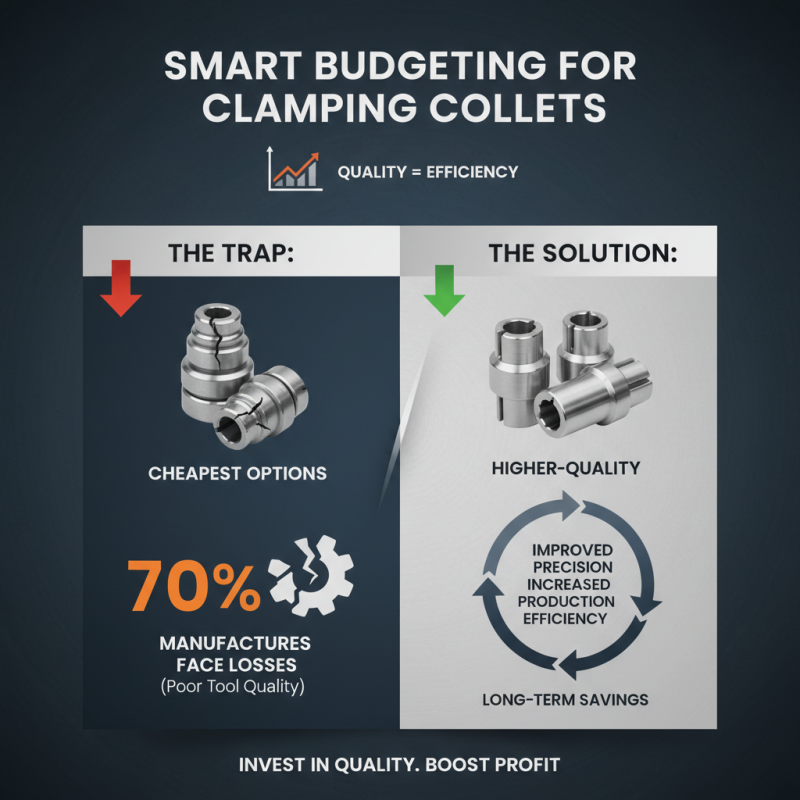
Understanding your specific needs is essential. The wrong choice can lead to less efficiency and increased costs. Many users often overlook quality for price. However, investing in high-quality collets can dramatically improve productivity and reduce tool wear. Surveys indicate that 72% of professionals believe that better tooling directly correlates with operational efficiency.
Purchasing collets also involves considering the right materials and sizes. Common mistakes include matching the collet to the wrong spindle type or failing to account for precision requirements. As manufacturing techniques evolve, so do the specifications of clamping collets. It's not just about buying; it’s about making an informed decision that supports sustainable manufacturing practices.
Understanding the Basics: What are Clamping Collets?
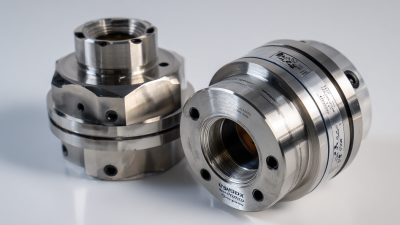
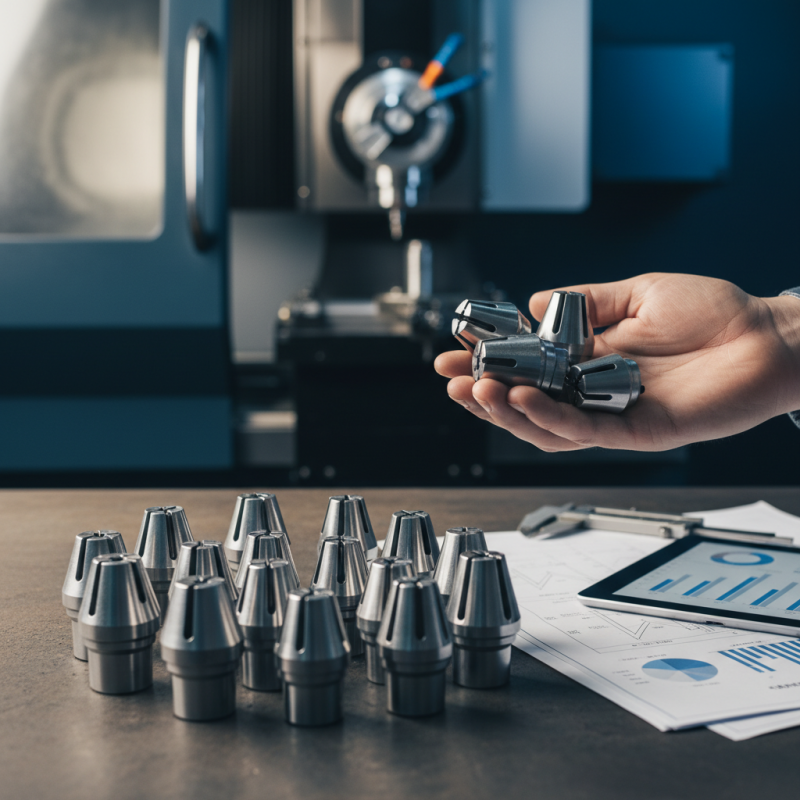
Clamping collets are essential tools in machining and manufacturing. They hold workpieces or tools securely during processes such as milling, drilling, or grinding. However, many users do not fully understand their importance. According to industry reports, improper use of collets can lead to increased error rates and production delays.
These collets work by applying force evenly around the tool or workpiece. This ensures stability and accuracy. When choosing a collet, consider the material and size. Not all collets fit all machines. In fact, a study indicates that using the wrong size can reduce tool life by 30%.
Many users overlook regular maintenance. Cleaning and inspecting collets can significantly enhance their performance. A worn or dirty collet may not provide the necessary grip. This can result in poor machining results and wasted materials. Failing to address these issues can lead to costly downtime. Investing time in understanding clamping collets is crucial for efficiency.
Identifying Your Needs: Choosing the Right Type of Collet
When identifying your needs for clamping collets, the right type is crucial. A report by the Manufacturing Technology Association reveals that improper collet selection leads to up to 30% of machining errors. Knowing the specific materials you work with helps narrow down your options. For example, plastic workpieces require different collets than metal ones.
Different collet styles, whether precision, high-speed, or self-centering, serve varying purposes. Precision collets often provide a tighter grip, ideal for intricate work. High-speed collets are better for high RPM operations, facilitating faster production rates. Yet, many users overlook these specifications. Not all collets can handle consistent high pressures, leading to tool breakage and wasted resources.
Consider the dimensions and tolerances as well. Collets must match the spindle size and taper specifications of your machine. A 2022 survey by the American Machinist indicated that over 40% of operators experience collet misalignment issues. This not only affects accuracy but also compromises tool life. Understanding these details helps avoid costly mistakes and enhances productivity.
Material Matters: Selecting the Best Material for Durability
Choosing the right material for clamping collets is crucial for durability and performance. Different materials have varied properties, affecting their lifespan and efficiency. Steel, for example, is popular for its strength. Some reports indicate that steel collets can last up to 50% longer than those made from lower-grade metals. However, they can also be heavier, which might reduce efficiency in high-speed applications.
When selecting materials, consider the specific requirements of your operations. For instance, carbide collets offer higher wear resistance. They are ideal for precision work and can withstand heat better than standard steel. Despite their advantages, carbide options may be more brittle, leading to potential breakage under high stress.
Tip: Always match the collet material to the task at hand. Evaluate the environment where you’ll use them. Awareness of factors like temperature and pressure is vital. Avoid mixing different material types unless necessary, as this can lead to wear issues or premature failure. Further, regular inspections will help identify early signs of wear or damage. This proactive approach can save money and time in the long run.
Top 5 Tips for Buying Clamping Collets Efficiently
| Tip Number |
Tip |
Material Recommendation |
Durability Rating |
| 1 |
Select the Right Size |
High-Carbon Steel |
Very High |
| 2 |
Consider Tolerance Levels |
Carbide |
High |
| 3 |
Check Workpiece Compatibility |
Aluminum Alloy |
Medium |
| 4 |
Assess Weight Load Capacity |
Titanium |
Very High |
| 5 |
Evaluate Cost vs. Performance |
Stainless Steel |
High |
Compatibility Check: Ensuring Collet Fits Your Equipment
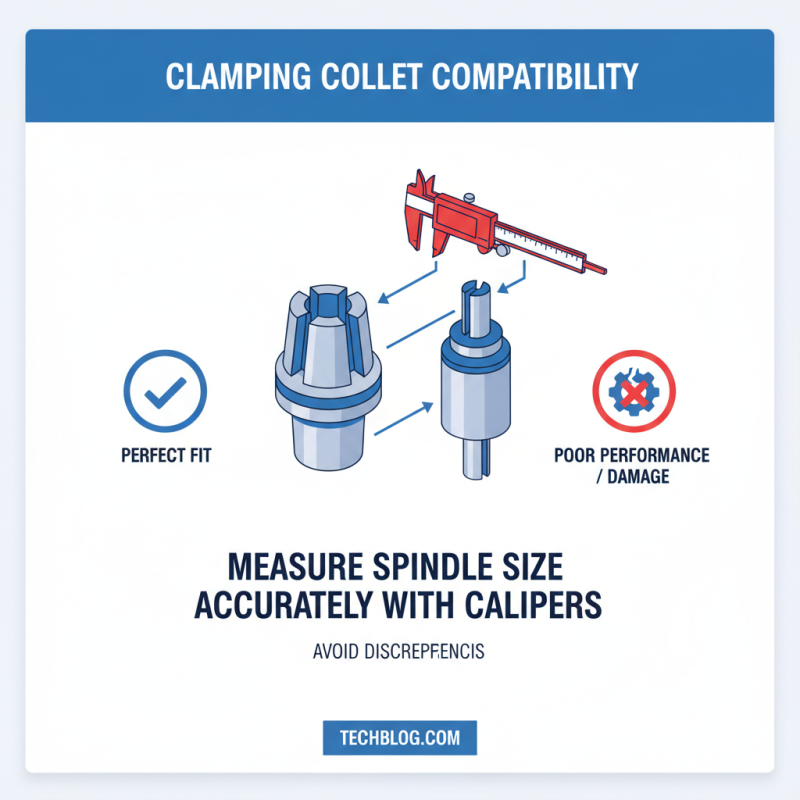
When considering clamping collets, compatibility is crucial. Ensure the collet fits your equipment perfectly. Measuring the spindle size is a simple yet effective method. Use calipers for an accurate measurement. Even small discrepancies can lead to poor performance or equipment damage.
Check collet specifications carefully. The diameter and taper must match your machine. If your collet is too loose or too tight, it can cause issues. Additionally, note the material and design. Some collets are better suited for specific applications. Avoid guesswork; always refer to your equipment's manual.
Remember, choosing the wrong collet can be frustrating. You might experience vibration or uneven cutting. Sometimes, users overlook compatibility details, leading to wasted time and resources. Taking extra time to verify will save headaches later on. A little diligence now can prevent big problems in your operations.