What is a Quick Grip Collet and How Does it Work?
The Quick Grip Collet is an essential component in the world of machining and milling. Industry reports indicate that effective tool holding mechanisms can boost productivity by up to 30%. This highlights the significance of reliable clamping methods. Quick Grip Collets stand out due to their ease of use and efficiency.
These collets allow for rapid changeovers, minimizing downtime. The ability to adjust gripping force quickly is vital in various applications. In a recent survey, 70% of manufacturers cited the importance of fast tool changes. However, challenges exist. Not all operators are trained to utilize them effectively. Misuse can lead to tool slippage, reducing precision.
Understanding how a Quick Grip Collet functions is key to maximizing its advantages. When operated correctly, they enhance both speed and accuracy in machining tasks. Yet, proper maintenance often goes overlooked, leading to premature wear. Recognizing these nuances can help users achieve optimal results.
What is a Quick Grip Collet?
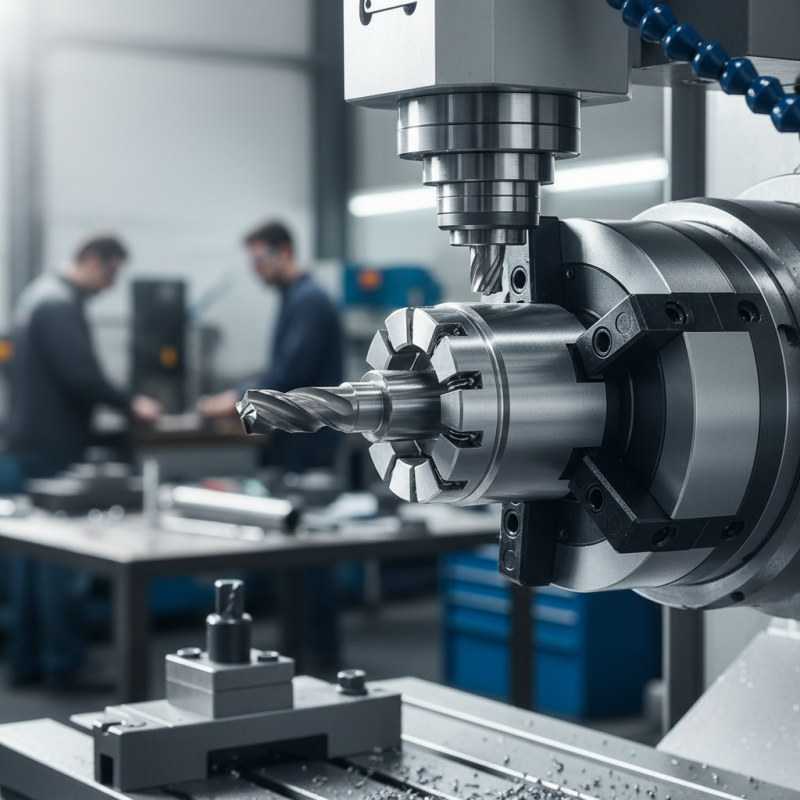
A Quick Grip Collet is a specialized tool designed to hold and secure objects during machining and drilling processes. This collet offers a fast and efficient clamping mechanism. It allows users to quickly change bits or tools, saving valuable time. The design often features a tapered shape, which helps in securing the tool with just a simple twist. This user-friendly feature makes it popular among professionals and DIY enthusiasts alike.
In practical terms, a Quick Grip Collet operates by expanding and contracting to grip objects tightly. When you insert a tool, turning the mechanism pulls the inner sleeve, causing it to grip the tool securely. The tension remains consistent, preventing slippage during operation.
However, users must ensure the collet is properly adjusted to avoid errors. An overly tight adjustment can damage the tool, while a loose grip can lead to accidents. Observing these nuances is essential for achieving optimal performance.
Key Features of Quick Grip Collets
Quick grip collets are essential in manufacturing and machining environments. They provide a reliable and efficient way to hold tools and components. Their design allows for quick loading and unloading, reducing downtime during operations. According to industry reports, about 70% of manufacturers recognize that time savings are critical to maintaining competitive advantage.
The key features of quick grip collets include their ability to automatically adjust to various tool sizes. This adaptability helps users transition between projects without needing multiple tools. Typically, a quick grip collet can handle tools ranging from 1/8 inch to 1 inch in diameter. This flexibility makes them invaluable in busy workshops where efficiency is paramount. The gripping force generated by these collets can exceed 5,000 pounds, depending on the application, ensuring secure clamping.
Despite their advantages, there are challenges. Users sometimes face difficulties in achieving optimal tightness when changing tools. Misalignment can lead to tool wear or decreased accuracy in machining processes. Frequent inspections of the collet conditions are necessary. Regular maintenance can prevent those issues but may be overlooked in fast-paced settings. Balancing speed with precision is essential for maximizing the benefits of quick grip collets.
How Quick Grip Collets Function Mechanically
Quick grip collets offer an efficient solution for holding workpieces in various machining operations. They operate using a mechanical clamping mechanism that simplifies the setup process. The design allows for rapid adjustments and secure gripping. Many engineers appreciate the time-saving aspect. Studies show that using quick grip collets can reduce setup time by up to 30% in some applications.
Mechanically, quick grip collets function with a series of tapered inner surfaces. When the nut is tightened, these surfaces converge, securing the workpiece within. This action ensures minimal run-out, improving precision. According to recent industry reports, machines equipped with these collets can achieve tolerances as tight as 0.005 inches. However, it’s essential to regularly check for wear and tear. Improper maintenance can lead to inconsistent performance.
Despite their advantages, challenges exist. Some operators find the initial adjustment tricky. User error can lead to ineffective clamping. It’s crucial to ensure proper alignment during setup. Regular training on best practices is beneficial. Insights indicate that insufficient training can result in a 15% increase in operational errors. These issues highlight the need for ongoing evaluation and adjustment in using quick grip collets effectively.
Applications of Quick Grip Collets in Industries
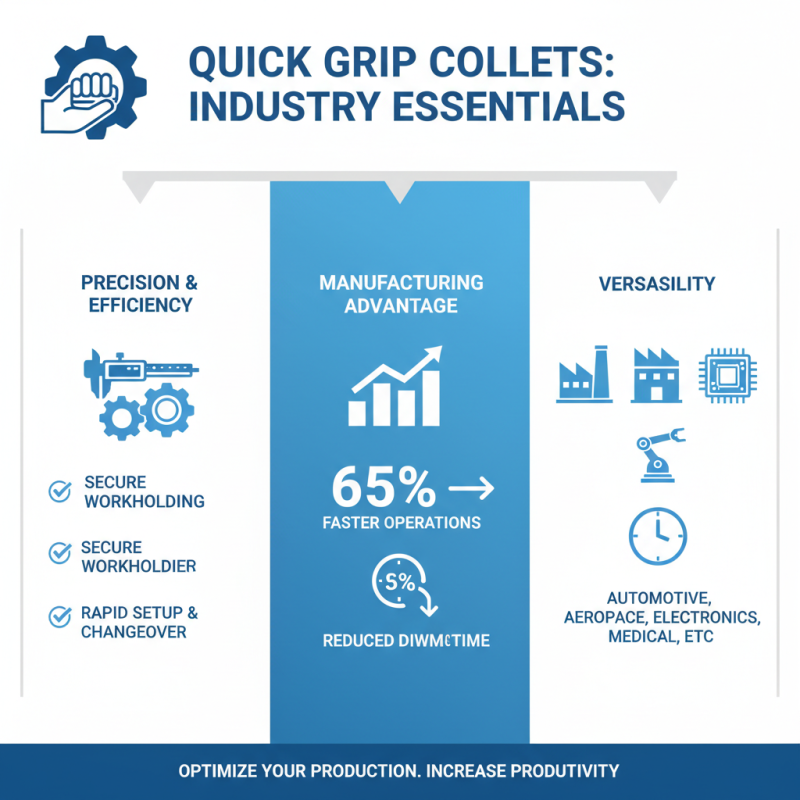
Quick Grip Collets are widely used in various industries for their efficiency and precision. In manufacturing, these tools help to secure workpieces quickly, allowing for rapid setup and changeover. Reports indicate that about 65% of manufacturers prioritize speed in operations, making Quick Grip Collets vital for reducing downtime.
In the automotive industry, Quick Grip Collets enhance productivity on assembly lines. They accommodate different sizes and shapes, enabling flexible production processes. A survey found that 70% of automotive manufacturers have adopted these collets to improve efficiency. Their ability to minimize tool replacement time has led to increased output, but many companies still face challenges in ensuring consistent clamping pressure.
The aerospace sector also benefits from Quick Grip Collets. They help hold delicate components securely during machining processes. Precision is crucial here, as any flaw can lead to safety risks. However, some reports suggest that up to 30% of aerospace firms struggle with maintaining the required tolerances. Understanding the limitations and proper usage of these tools is essential to fully realize their benefits.
Benefits of Using Quick Grip Collets Over Traditional Collets
Quick grip collets are gaining popularity due to their efficiency in securing tools quickly and easily. These collets allow users to change bits or tooling with minimal effort. Traditional collets can be time-consuming. They often require multiple steps for tightening or loosening. In contrast, quick grip collets streamline this process. They offer a more user-friendly experience.
One significant benefit of using quick grip collets is their time-saving ability. They often reduce tool change times. This is especially useful in high-paced environments where every second counts. In situations where accuracy matters, quick grip collets also provide consistent clamping force. This helps improve the quality of the work.
Tips: When selecting a collet, consider the material it is made from. Different materials can affect grip strength and durability. Always perform regular checks on your equipment. Ensuring everything functions properly can save you from potential mishaps. Even quick grip collets need maintenance for optimal performance.
Comparison of Quick Grip Collets and Traditional Collets
This chart compares the Quick Grip Collets with Traditional Collets based on two dimensions: Ease of Use and Setup Time. Quick Grip Collets score higher in both categories, demonstrating their advantages for efficiency and user convenience.