Why You Should Invest in an Oil Mist Purifier for Your Industry?
In today’s industrial landscape, air quality is a growing concern. The use of an Oil Mist Purifier can significantly reduce airborne contaminants. According to a report from the National Institute for Occupational Safety and Health (NIOSH), workplace exposure to oil mist can lead to serious health issues, including respiratory problems.
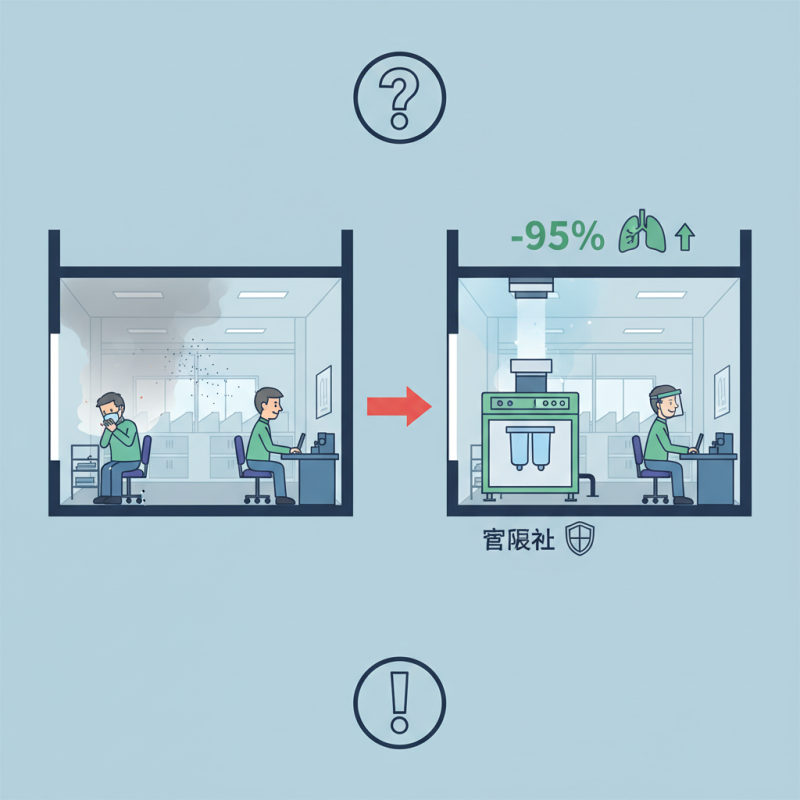
Dr. Sarah Thompson, a leading expert in industrial hygiene, emphasizes, “Investing in an Oil Mist Purifier is not just a choice; it’s a necessity for a safe work environment.” The data suggests that facilities employing such purifiers can see up to a 95% reduction in airborne oil mist levels. This not only enhances worker safety but also complies with stringent regulations.
However, despite the clear advantages, many industries still overlook this important investment. A study by the Occupational Safety and Health Administration (OSHA) indicates that nearly 40% of manufacturing facilities do not utilize proper air filtration systems. This raises questions about operational standards and worker wellbeing. Addressing this gap is essential for fostering a healthier workplace.
Benefits of Oil Mist Purifiers in Industrial Environments
Investing in an oil mist purifier offers numerous advantages for industrial environments. Oil mist is a common byproduct in many manufacturing processes. According to industry reports, effective purification can reduce airborne oil concentration by up to 95%. This not only ensures compliance with health regulations but also enhances air quality for workers. Cleaner air contributes to better employee health, which is vital for productivity.
Tips: Regular maintenance of oil mist purifiers is crucial. Ensure filters are replaced frequently to maximize efficiency. This small effort can result in significant long-term savings.
Moreover, businesses can expect reduced operational costs. By eliminating oil mist, companies decrease machine wear and tear. A study highlights that businesses experienced a 30% reduction in machine maintenance costs after implementing purifiers. This finding underscores the value of investing in technology that promotes sustainability.
Tips: Engage employees in maintenance routines. Their involvement can foster a culture of awareness and responsibility. Empowering staff can lead to better results in maintaining air quality.
Benefits of Oil Mist Purifiers in Industrial Environments
Understanding the Mechanism of Oil Mist Purification
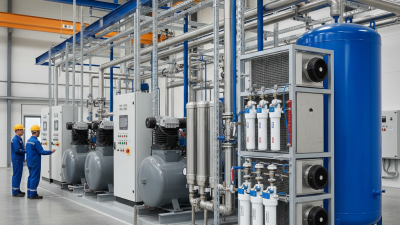
Oil mist purifiers play a crucial role in various industrial settings. They effectively capture airborne oil mist and prevent it from settling on equipment or being inhaled by workers. The mechanism behind this purification process is both simple and effective. These systems typically use a combination of filters, mechanical separation, and electrostatic attraction.
When oil mist enters the purifier, it is drawn into a filtration area. Here, larger droplets collide with the filter media and are trapped. This initial separation is crucial, but smaller droplets can still pose a risk. To address this, many purifiers employ an electrostatic process. This helps attract and capture these fine particles, ensuring cleaner air.
However, maintenance is often overlooked. Filters must be regularly cleaned or replaced. Neglecting this step can lead to reduced efficiency. Without proper care, the purifier might not work effectively. Users need to reflect on their maintenance routines. Are they doing enough to ensure optimal performance? Regular checks can make a significant difference in air quality and safety in the workplace.
Impact of Oil Mist on Worker Health and Safety
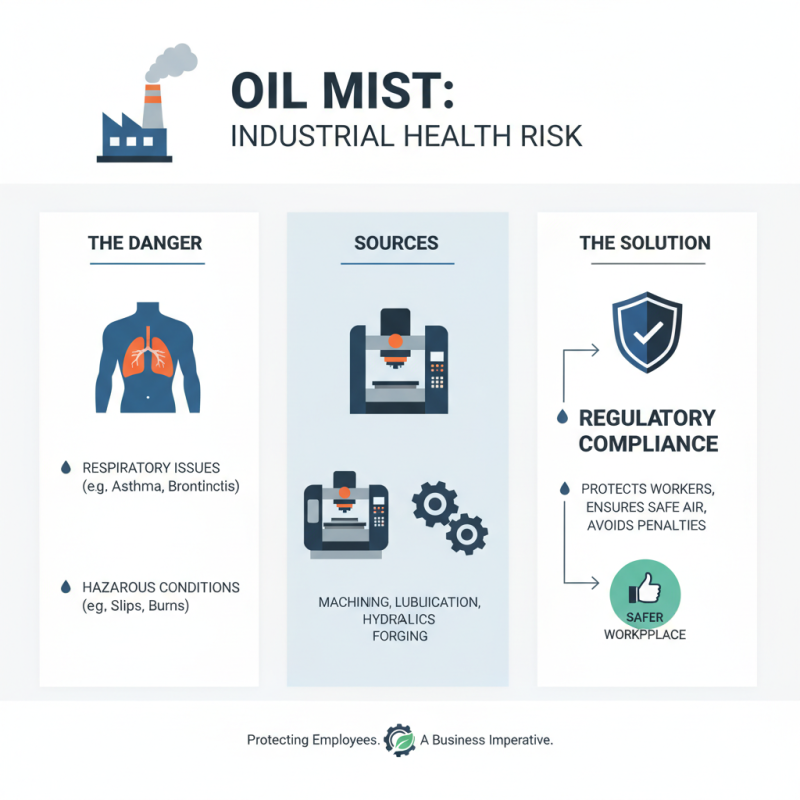
Oil mist is a common byproduct in many industrial processes. Exposure to oil mist can lead to serious health issues for workers. According to the American Conference of Governmental Industrial Hygienists, prolonged exposure can cause respiratory problems and skin irritations. In extreme cases, it can even lead to chronic respiratory diseases.
Tip: Regular monitoring of oil mist levels in the workplace is essential. A good practice is to conduct air quality assessments to ensure compliance with safety standards. This can help identify potential health hazards early on.
The impact of oil mist on worker safety cannot be overstated. Workplaces with high oil mist concentrations often report increased accidents and injuries. A study from the National Institute for Occupational Safety and Health highlighted that workers in these environments face higher risks of slips, trips, and falls due to slippery surfaces. The need for effective oil mist purification systems becomes evident.
Tip: Investing in an oil mist purifier can enhance workplace safety. It reduces the health risks associated with oil mist and improves air quality. Additionally, consider implementing regular training sessions on safe practices for workers. This can empower them to recognize and mitigate hazards effectively.
Cost-Benefit Analysis of Investing in Oil Mist Purifiers
Investing in an oil mist purifier can seem costly at first. However, a cost-benefit analysis reveals significant long-term savings. These purifiers reduce oil mist emissions, leading to lower health risks for employees. Healthier workers mean increased productivity. Less oil mist also translates to cleaner facilities, reducing maintenance costs over time.
When considering an oil mist purifier, think about the initial investment versus ongoing expenses. Could frequent cleaning and medical costs outweigh the purifier's price? Tracking expenses is vital. Review your company’s current costs related to oil mist management. Analyze how these costs might change with a purifier in place.
Tips: Choose a purifier that matches your industry needs. Not all purifiers are the same. Pay attention to maintenance requirements; some units may become costly to operate. Look into grants or incentives for investing in green technology. These can ease the financial burden and make the purchase more viable.