Top Guide to Buy Clamping Collets for Your Workshop Needs?
When it comes to workshop tools, understanding how to buy clamping collets is crucial. Industry expert John Smith once stated, “Choosing the right collet can significantly enhance your machining precision.” This highlights the importance of selecting high-quality collets for your specific needs.
Clamping collets serve as essential devices, securing tools during the machining process. A well-chosen collet can mean the difference between a successful project and costly errors. Different materials and designs cater to various applications, so knowledge is key. It's not just about buying any collet; it's about understanding which type will serve your workshop best.
Navigating the options can be overwhelming, especially for beginners. The market is filled with choices, but each has its own purpose and value. Reflecting on your workshop's needs and asking the right questions can lead to a more informed purchase. Ultimately, the goal is to find collets that will enhance your work quality and efficiency. Taking the time to learn about this investment is essential for any serious craftsman.

Understanding Clamping Collets: Features and Types
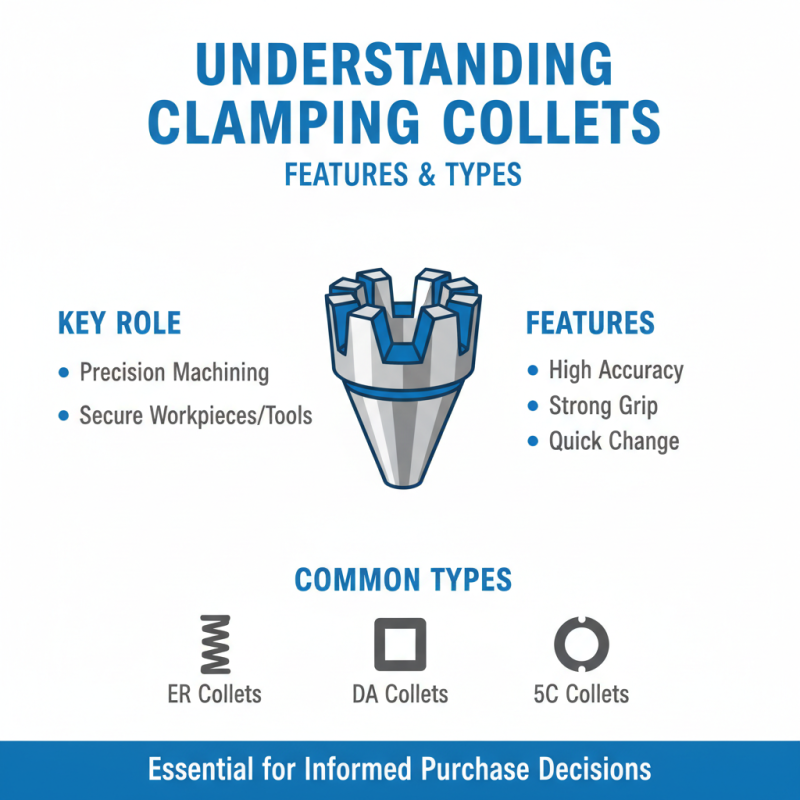
Clamping collets play a key role in precision machining. They secure workpieces or tools during operations. Understanding their features is essential for making an informed purchase.
There are various types of collets available. Each type serves different functions and works with specific equipment. For instance, ER collets are common in milling applications. They provide flexibility with multiple sizes. Another popular choice is the R8 collet, known for its strong grip. Choosing the right type often requires knowing your machine's specifics.
Features also differ among collets. Some offer quick change capabilities. Others may provide better accuracy. Check the material used in the collet as well. Different materials can affect durability and performance. It's worth noting that improper collet usage can lead to machine vibration, affecting the machining process. This insight can help you avoid mistakes and ultimately enhance your workshop’s performance.
Factors to Consider When Selecting Clamping Collets
When choosing clamping collets for your workshop, several factors matter. The size of the collet is critical. Ensure it matches the spindle and tool dimensions you use. A proper fit guarantees stability and precision during operation. Consider the material of the collet. High-quality metals resist wear and tear better. They can endure the stresses of machining tasks more effectively.
Another key aspect is the type of clamping mechanism. Different designs suit various applications. Investigate the grip strength needed for your tools. Too much grip can damage delicate bits, while too little may compromise the work's integrity. Research guides or forums for insights from other users. Their experiences can help you steer clear of common pitfalls.
Lastly, pay attention to the tolerance levels. A collet with better tolerance provides a snug fit, enhancing accuracy. However, be wary of over-precision; it can complicate maintenance. Finding a balance between quality and usability is not always easy. It requires a good understanding of your specific needs and tasks. A thoughtful approach can lead to better results and improved efficiency in your workshop.
Compatibility with Tools and Machinery in Your Workshop
When selecting clamping collets,
compatibility with your workshop tools is paramount.
A mismatched collet can hinder performance, affecting your precision and outcomes. Many tools require specific collet types to work efficiently.
Ensure that you understand the specs of each tool before making a purchase. Measure the shank diameter and overall length to identify the right fit.
Consider the material of the collets as well.
Steel collets offer durability, while aluminum may provide lightweight options for less demanding tasks. It's essential to weigh the pros and cons based on your needs.
However, users often overlook the potential for wear and tear. A collet that seems perfect today may not perform the same way tomorrow due to frequent usage.
Mistakes in purchasing can lead to dissatisfaction. Spending time researching which collets align with your machines can save you from regret later.
Craftsmanship often requires trial and error. A thoughtful approach ensures that your workshop remains efficient and productive.
Stay informed about the latest trends and designs in collet precision to enhance your overall experience.
Maintenance Tips for Prolonging the Life of Clamping Collets
Clamping collets are essential for securing tools in your workshop. Their longevity heavily relies on proper maintenance. Regular cleaning of collets is crucial. Use a soft brush to remove debris after each use. Dust and chips can cause misalignment, leading to poor performance. Pay attention to the clamping surfaces. These surfaces must remain clean and free from scratches. A precise grip ensures accuracy in your work.
Inspect collets frequently for signs of wear. Look for cracks or deformities that may compromise their effectiveness. If you notice any issues, it’s time for replacement. Store collets in a dedicated space to prevent damage. Avoid tossing them into a toolbox where they can collide with other tools. Investing in proper storage pays off in the long run.
Lubrication is vital but should be done sparingly. A light mist of lubricant can help reduce friction, but excess can attract more dust. Adjust your maintenance routine based on your usage frequency. Over time, you may find your collets don’t perform like they used to. Reflect on your maintenance habits and adjust as necessary. Regular attention can significantly extend the usable life of your clamping collets.
Clamping Collet Maintenance Tips
Where to Buy Quality Clamping Collets for Your Needs
When looking to buy clamping collets, it's essential to choose reliable sources. Start by exploring local suppliers who specialize in workshop tools. Visiting a store offers the chance to examine the collets first-hand. You can feel the quality and ask staff about specifics. Many employees have valuable experience and can guide your choices. A personal connection can provide insights that online shopping lacks.
Online marketplaces often have extensive options. However, not all sellers provide quality assurance. Look for user reviews to gauge reliability. Check seller ratings and response times. Trusted websites often have a return policy as well. This is crucial in case the collet doesn't meet your expectations. Sometimes, the product may have imperfections not visible in photos.
Consider forums or community groups for recommendations as well. Fellow hobbyists and professionals can share experiences. These insights help identify potential pitfalls such as improper sizing or material incompatibility. Engaging with the community can be a learning experience in itself. Overall, thorough research and active participation are vital for making informed decisions.