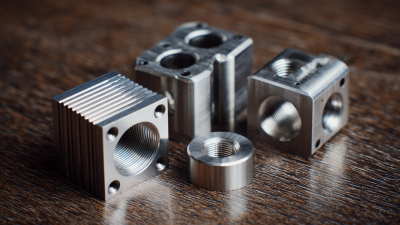
How to Choose Custom CNC Parts for Global Sourcing?
Choosing the right custom CNC parts is crucial for global sourcing. Companies face unique challenges in this complex landscape. With various suppliers and materials, decision-making becomes vital. Understanding how to evaluate quality and cost efficiently is key.
When seeking custom CNC parts, buyers must consider multiple factors. Experience in the manufacturing process is essential. Evaluate potential partners based on their capabilities, technologies, and expertise. Researching supplier backgrounds helps ensure reliability. However, not all suppliers can meet strict quality standards.
Maintaining strong communication with suppliers can be difficult. Misunderstandings might arise between different cultures. It is important to be clear about specifications and expectations. Testing samples before full-scale production is also wise. Reflecting on these aspects can improve sourcing outcomes.
Understanding the Basics of Custom CNC Parts in Global Sourcing
When selecting custom CNC parts for global sourcing, understanding the basics is crucial. CNC, or Computer Numerical Control, allows for precise manufacturing of components. These parts can range from simple brackets to intricate gears. The complexity of your design will impact both cost and production time. It's essential to provide detailed specifications to your manufacturer. Clear drawings and material choices help avoid costly errors.
Communication is vital in this process. Ensure you discuss tolerances and surface finishes early. Misunderstandings can lead to parts that don't fit or perform as expected. Transparency about lead times and budget constraints also builds trust. It's important to ask for samples before committing to large orders, as this can reveal potential issues in design or quality.
However, the challenge lies in selecting reliable suppliers. Not every company maintains high standards. Researching their certifications and customer reviews can offer insights into their reliability. Be prepared for some trial and error in this selection process. Mistakes can happen, but they often serve as valuable learning experiences. Prioritizing quality over price can lead to better long-term outcomes.
Evaluating Supplier Capabilities and Certifications for CNC Manufacturing
When sourcing custom CNC parts globally, evaluating supplier capabilities is essential. Look closely at their manufacturing processes and technology. Advanced machinery can enhance precision and efficiency. Make sure they have experienced staff familiar with CNC operations. Knowledgeable operators can significantly impact the quality of the final product.
Certifications are indicators of a supplier's reliability. Look for ISO certifications, which signify adherence to international quality standards. Other relevant certifications might also reflect the supplier's commitment to safety and environmental best practices. Not all suppliers possess these qualifications, making it necessary to verify their claims.
Communication is crucial in this process. Establishing clear expectations upfront can avoid misunderstandings later. A responsive supplier is often a good sign of their reliability. However, a lack of transparency can be concerning. Be prepared to dig deeper if something feels off. Remember, not every supplier will meet your high standards.
Evaluating CNC Parts Suppliers: Capabilities and Certifications
Assessing Material Options for Custom CNC Parts in Global Markets
When sourcing custom CNC parts globally, assessing the material options is crucial. Various materials offer unique properties affecting durability, cost, and functionality.
Aluminum is popular for its lightweight nature and resistance to corrosion. However, it might not be suitable for high-stress applications.
Stainless steel, on the other hand, offers greater strength but comes with a higher price tag.
Considering specific needs is vital. If the part requires flexibility, plastics like nylon or acetal can be effective. These materials are also lightweight and generally more affordable. It's essential to balance performance and budget constraints.
Keeping material certifications in mind adds another layer of complexity. Not all suppliers will have the necessary quality assurance papers, which might lead to unexpected issues.
While established suppliers might seem reliable, newer vendors can sometimes offer better pricing or faster turnaround times. Yet, this carries risks, as they may lack experience or stability.
Conducting thorough research is key. Reading reviews and seeking expert opinions can provide insights into potential challenges. In the ever-evolving global market, ensuring the right material choice is not just a technical decision; it requires careful consideration of all factors.
Identifying Cost Factors and Budgeting for CNC Parts Production
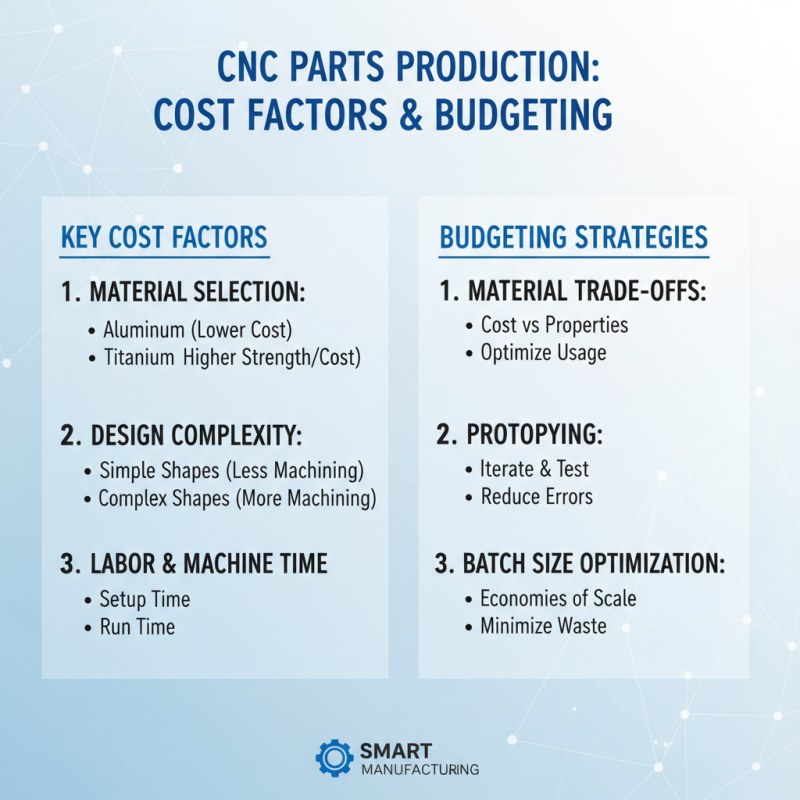
When identifying cost factors for CNC parts production, several variables come into play. Material selection is paramount. Different materials carry distinct costs and properties. For example, aluminum may be less expensive than titanium. Yet, titanium provides superior strength. This trade-off can impact your budget significantly.
Another crucial factor is machining complexity. Designs featuring intricate geometries require advanced machining techniques. These methods can increase production time and cost. In contrast, simpler designs often lead to quicker turnaround and reduced expenses. Assessing your design's complexity against your budget is essential.
Lastly, consider the supplier’s location. Global sourcing offers advantages, but shipping costs can add up. Delays in logistics may also impact your project timeline. Evaluating all these aspects requires careful consideration. Overlooking even small details can lead to budget overruns. Balancing quality, cost, and delivery is not straightforward.
Ensuring Quality Control and Compliance in Global CNC Sourcing
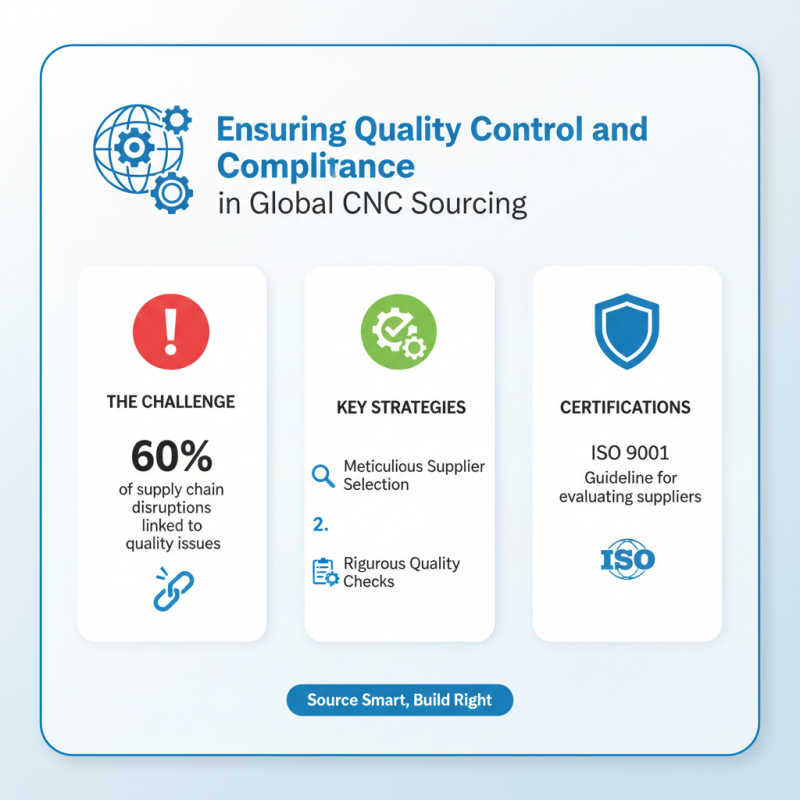
When sourcing custom CNC parts globally, ensuring quality control and compliance is crucial. Studies show that nearly 60% of supply chain disruptions are linked to quality issues. This highlights the importance of meticulous supplier selection and rigorous quality checks. Understanding certifications like ISO 9001 can guide you in evaluating potential suppliers.
Tips: Always request samples before placing large orders. This can reveal potential flaws early in the process.
Quality control measures should include regular audits and inspections. Leveraging technologies such as CMM (Coordinate Measuring Machine) can improve accuracy in measuring parts. Additionally, implementing a clear communication strategy with suppliers can prevent misunderstandings related to specifications. It's essential to remain adaptable, as manufacturing processes can vary significantly across regions.
Tips: Establish a checklist for compliance requirements. Ensure every supplier understands these standards to minimize risks.
Close attention to the materials used is vital. Poor quality materials can undermine the integrity of your final product. By maintaining a collaborative relationship with suppliers, you can foster a culture of quality. However, reflecting on past sourcing decisions can help identify areas for improvement, ensuring more reliable outcomes in future projects.