How to Buy Air Filtration Systems for Your Home?
Air quality is a growing concern for many homeowners today. According to the Environmental Protection Agency, indoor air can be two to five times more polluted than outside air. This alarming fact highlights the importance of having a reliable air filtration system. When you decide to buy air filtration systems, you must consider multiple factors.
Choosing the right air filter can be challenging. Not all systems are created equal, and consumers often find themselves overwhelmed. A study from the American Lung Association indicates that proper air filtration can reduce asthma and allergy symptoms significantly. However, navigating the features and specifications of different models requires careful thought.
Budget is also a factor. While some high-end filters promise superior results, they may not be necessary for everyone. It's essential to weigh the cost against the health benefits. A thoughtful approach can lead to a better decision, but be prepared for the complexities involved. This journey can feel daunting, yet it is vital for a healthier home environment.
Understanding Air Filtration Systems and Their Importance for Home Use
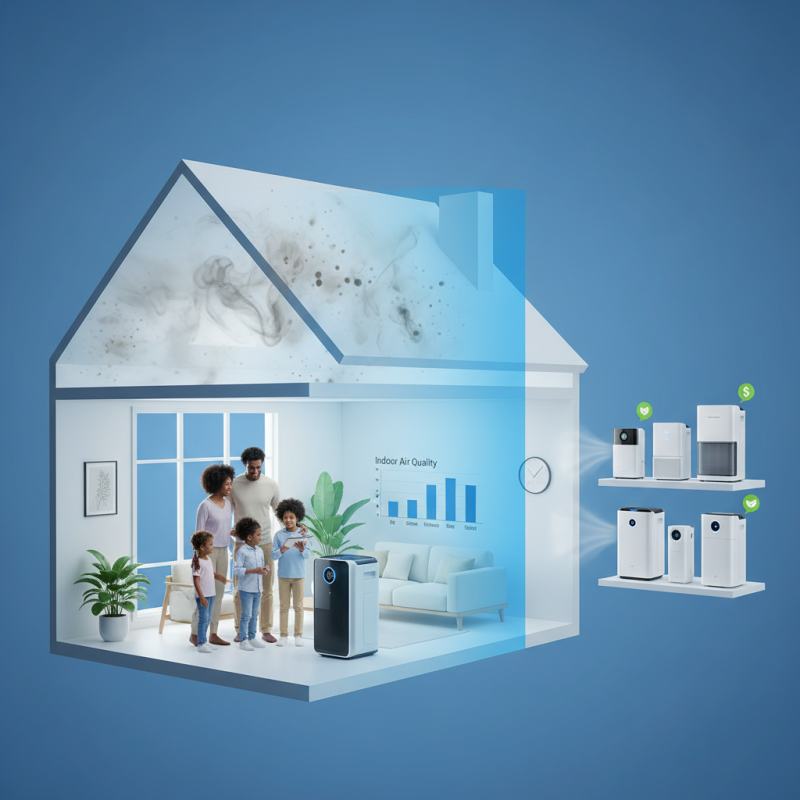
Air filtration systems play a crucial role in maintaining a healthy home environment. These systems effectively remove dust, pollen, and other allergens from the air. Poor indoor air quality can lead to respiratory issues. This is especially problematic for children and seniors. Many people underestimate the impact of clean air. They may think it’s just about comfort, but it goes deeper.
When selecting an air filtration system, consider the size of your home. A small unit in a large space won’t work well. Additionally, look for filters with HEPA ratings. These filters can capture at least 99.97% of airborne particles. Remember, noise levels matter too. Some systems can be quite loud, disrupting daily activities. User reviews can help identify these concerns.
It is easy to assume that all air filters are the same. This assumption can lead to poor choices. Pay attention to maintenance requirements as well. Some filters need frequent replacement, while others last longer. Cost also varies widely. Evaluate your budget, but do not compromise on quality. Investing in the right system is essential for your family's health.
Types of Air Filtration Technologies: HEPA, Activated Carbon, and More
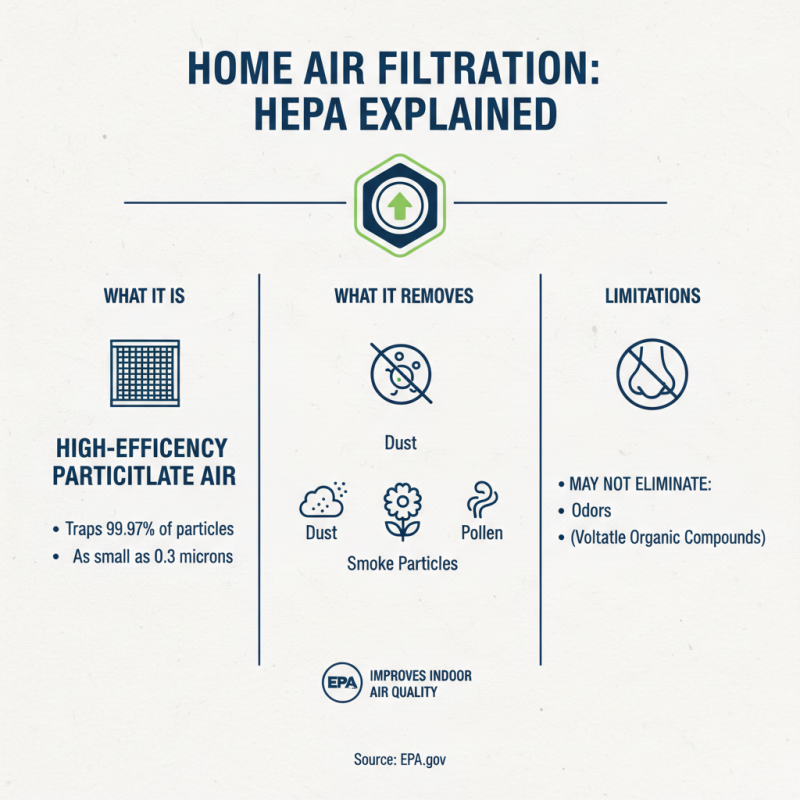
When considering air filtration systems for your home, understanding the technologies available is crucial. HEPA (High-Efficiency Particulate Air) filters are among the most effective. They can trap 99.97% of particulate matter, including dust, pollen, and smoke particles as small as 0.3 microns. According to the EPA, these filters significantly improve indoor air quality. However, they may not eliminate odors or volatile organic compounds (VOCs).
Activated carbon filters are another popular option. They are skilled at absorbing gases and odors. They can remove harmful chemicals from the air, but their effectiveness diminishes over time. Frequent replacement is necessary. Some reports suggest a lifespan of just 3 to 6 months, depending on usage. This can be an overlooked cost for many homeowners.
Other filtration technologies, like ionizers and UV purifiers, offer different benefits. Ionizers charge particles, causing them to clump together and fall from the air. However, they may produce ozone, which can be harmful in high concentrations. UV purifiers kill bacteria and viruses but may not affect larger particles. Each option has its pros and cons. Understanding these factors can lead to better choices for healthier air.
Factors to Consider When Choosing an Air Filtration System for Your Home
When choosing an air filtration system for your home, start by assessing your space. Consider the size of the rooms where you plan to use it. A small unit may not suffice for large areas. Pay attention to the air changes per hour (ACH) offered by the system. More frequent air changes lead to better air quality.
Filtration efficiency is crucial. Look for systems with HEPA filters, as they capture small particles effectively. However, these filters need regular replacement. Maintenance can be a hassle. You might also want to consider additional features, like activated carbon filters for odors. Some systems are noisier than others, impacting your comfort.
Don’t forget energy consumption. A more efficient model might cost less long-term. Evaluate the noise level too. It can be distracting, especially at night. Reflect on if you need smart features. They offer convenience but can complicate the setup. Finding the right balance between price and features can be tricky. Sometimes, you need to weigh immediate needs against future goals.
How to Buy Air Filtration Systems for Your Home? - Factors to Consider When Choosing an Air Filtration System for Your Home
| Factor |
Description |
Importance |
Example Options |
| Type of Filter |
HEPA, activated carbon, UV filters, etc. |
High |
HEPA filters for allergens |
| Room Size |
Size of the area to be purified |
Medium |
Compact for small rooms, larger for open spaces |
| Noise Level |
Sound output in decibels |
Medium |
Quiet operation recommended for bedrooms |
| Filter Replacement Cost |
Cost associated with changing filters |
High |
Consider yearly maintenance costs |
| Energy Efficiency |
Power consumption rate |
High |
Look for Energy Star rated models |
| Additional Features |
Smart controls, air quality sensors, etc. |
Medium |
WiFi connectivity for remote monitoring |
Evaluating Air Filtration System Efficiency: CADR and MERV Ratings
When choosing an air filtration system, understanding the efficiency ratings is crucial. Two key metrics come into play: CADR and MERV. CADR, or Clean Air Delivery Rate, measures the volume of filtered air delivered. A higher CADR means better performance. If you have a small space, a lower CADR might suffice, but larger areas often need more powerful systems.
On the other hand, MERV stands for Minimum Efficiency Reporting Value. It rates the effectiveness of air filters. Filters with a higher MERV rating trap more particles. However, a high MERV might restrict airflow in some systems. Look for a balance between efficient filtration and adequate airflow to avoid strain on your HVAC system.
Choosing the right system isn't just about numbers, though. Consider your home’s specific needs. Allergies, pet dander, and smoke require different solutions. It’s essential to assess how often you’ll change filters and maintain the system. Sometimes, an effective system ends up being harder to maintain than expected. Reflect on your priorities to make the best choice for your home.
Air Filtration System Efficiency: CADR and MERV Ratings
Installation and Maintenance Tips for Optimal Air Filtration Performance
When installing air filtration systems, placement is key. Position the unit in a central location for optimal airflow. Avoid corners or cramped spaces. Ensure it is near the main source of indoor pollution, like kitchens or living areas. Check the manufacturer's guidelines for specifications on room size and unit capacity.
Regular maintenance is essential for performance. Clean or replace filters every few months. Dirty filters can restrict airflow and reduce effectiveness. Monitor the system's performance; unusual sounds can indicate issues. Sometimes, a minor adjustment is all it takes. Mistakes happen, but learning from them is crucial.
If you notice increased dust or allergens, it may signal a need for professional inspection. It's easy to overlook small problems. However, addressing them promptly can prevent larger issues down the line. Maintaining a consistent cleaning schedule is vital for keeping the air quality high in your home.