Best Brass Machining Parts for Precision Engineering Applications?
In the realm of precision engineering, the importance of high-quality components cannot be overstated. Brass machining parts have become essential due to their unique properties and versatility. These components are widely used in various applications, from automotive to aerospace industries. Their ability to withstand corrosion while offering excellent machinability makes them a popular choice.
However, not all brass machining parts are created equal. Poor-quality materials can lead to failures and inefficiencies in engineering projects. Engineers must carefully select suppliers to ensure the best quality. It is important to understand that precision is not just about the specifications; it's also about the manufacturing process. Each step can impact the final product's performance.
Exploring various options and comparing products is crucial in this competitive market. It is easy to overlook the nuances that differentiate one part from another. Attention to detail can lead to superior performance and longevity. As technology evolves, so do the possibilities for brass machining parts. Yet, continual learning and adaptation are necessary to meet rising demands.
Understanding Brass as a Material for Precision Machining
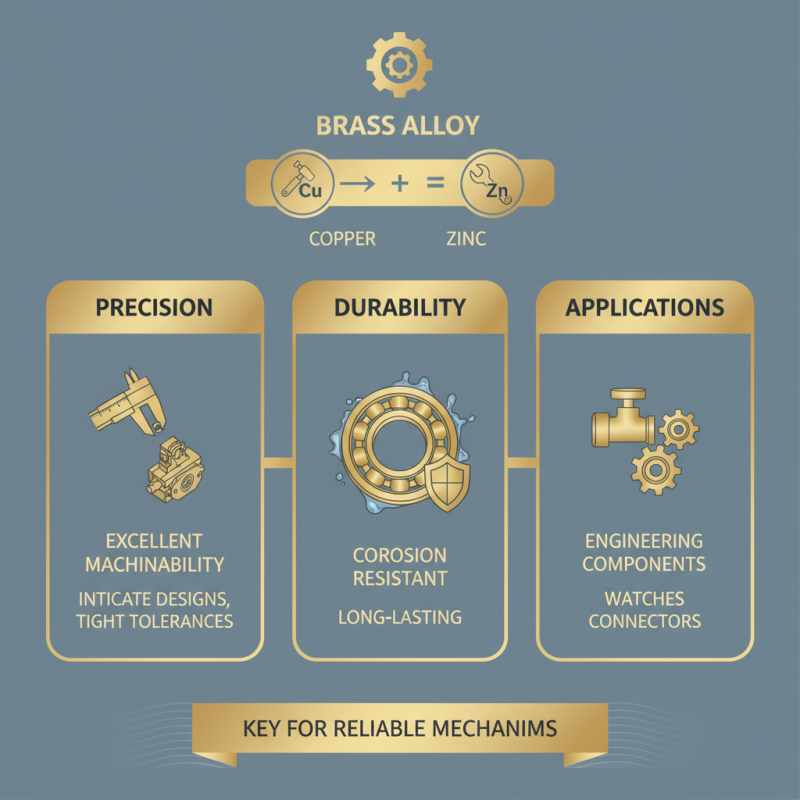
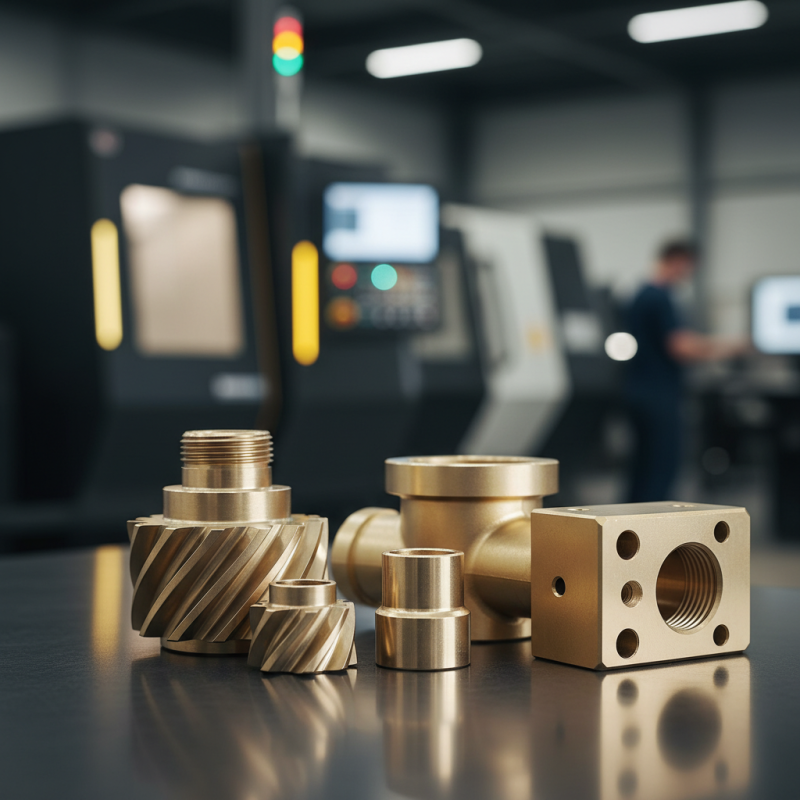
Brass is an alloy of copper and zinc. It is favored in precision engineering applications for several reasons. Its excellent machinability allows for intricate designs. Brass parts can be manufactured with high precision, making them ideal for tight tolerances. The material's durability and resistance to corrosion enhance its practicality in various environments.
The versatility of brass is also noteworthy. It can be used in diverse applications, including automotive, aerospace, and medical devices. However, not all brass is the same. Variations exist, which can impact performance. Choosing the right type of brass for specific applications requires careful consideration.
Manufacturing with brass has its challenges. For instance, it can be prone to work hardening, complicating the machining process. Effective heat treatment can mitigate this issue, but it adds to the complexity. Understanding these nuances is crucial for successful production. The delicate balance between ease of machining and durability is often a focal point. Taking the time to analyze the specific requirements can lead to better outcomes.
Key Properties of Brass for Engineering Applications
Brass is a popular choice for precision engineering applications. Its unique properties make it suitable for various components. Brass exhibits excellent machinability, enabling intricate designs. The alloy consists of copper and zinc, offering strength and ductility. This blend results in parts that withstand stress and temperature changes.
One notable feature of brass is its corrosion resistance. It retains its integrity in wet environments. However, not all brass grades perform well under extreme conditions. Consider the specific application needs when selecting the brass type. Assessing the environment is crucial to avoid unexpected failures.
Tips: Always consult material data sheets. Verify the properties against your project requirements. Test prototypes to ensure quality. Understand that while brass is durable, it can still be prone to wear over time. Regular maintenance helps extend the lifespan of brass components.
Common Techniques in Brass Machining for High Precision Parts
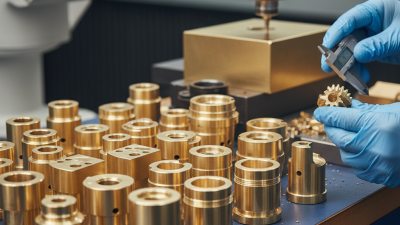
Brass machining is critical for precision engineering. The techniques employed can significantly impact the quality of the end product. One common method is turning. This technique involves rotating the brass material against a cutting tool, shaping it into desired forms. The precision of the turning process is often determined by factors like tool sharpness and rotational speed. If these variables aren't optimized, it may lead to inaccuracies.
Milling is another technique widely used in brass machining. It involves removing material from a solid brass block using rotary cutters. This method is effective in creating complex shapes. However, it requires careful planning of tool paths to ensure efficiency. Inadequate planning may result in wasted material or extended production times.
Drilling is equally important for creating holes with precision. The right drill bit size and speed are crucial. If the drill bit is too dull, the holes can expand, leading to errors. Each technique has its challenges, requiring continuous improvement and adaptation. Engineers must constantly reflect on their methods to enhance precision and minimize waste.
Best Brass Machining Parts for Precision Engineering Applications
| Part Name |
Machining Technique |
Tolerance (mm) |
Use Case |
| Brass Gear |
CNC Turning |
±0.01 |
Automotive |
| Brass Fitting |
CNC Milling |
±0.005 |
Plumbing |
| Brass Valve |
Precision Casting |
±0.02 |
Hydraulics |
| Brass Sleeve |
Electroforming |
±0.001 |
Electrical Components |
| Brass Connector |
Stamping |
±0.01 |
Electronics |
Applications of Brass Machined Parts in Various Industries
Brass machined parts are integral to many industries. Their durability, corrosion resistance, and excellent mechanical properties make them a top choice. In automotive applications, brass is often used for fittings and valves. These components require precision to ensure efficiency and safety.
In the electronics sector, brass connectors and housings facilitate reliable performance. They conduct electricity well and withstand wear over time. However, not all brass parts meet the stringent standards required in this field. It's essential to evaluate quality thoroughly.
In plumbing, brass is favored for its strength. It endures high pressure and provides long-lasting solutions. Yet, some brass parts may corrode in certain conditions. Frequent inspections and proper maintenance are essential to avoid failures. These details can often get overlooked, leading to significant issues down the line.
Choosing the Right Supplier for Brass Machining Components
When selecting a supplier for brass machining components, it’s vital to consider several factors. A supplier's experience in precision engineering can make a significant difference. Look for companies that have a proven track record in delivering quality parts consistently. This ensures that your components are made to the exact specifications required.
Quality control is essential in brass machining. Ask about the supplier's quality assurance processes. What measures are in place to prevent defects? It’s crucial to know if they use advanced technologies or traditional methods. Sometimes, relying on outdated techniques can lead to mistakes. Also, consider their ability to meet deadlines without compromising the quality of parts.
Communication is another key aspect. A reliable supplier should be responsive and transparent. If they are difficult to reach or slow to respond, it may indicate future challenges. Establishing a good working relationship can lead to better collaboration. Remember, the goal is to find a partner who understands your needs, not just a vendor to fill your orders.