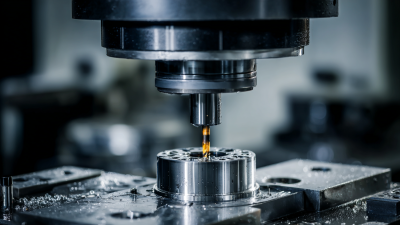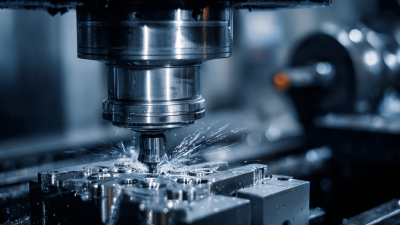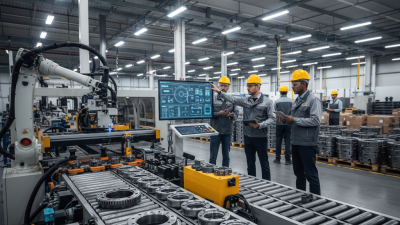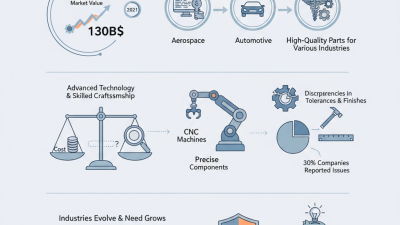
In today's fast-paced manufacturing landscape, buyers increasingly turn to Custom Milled Parts to meet their specific needs. A recent report from the Global Industry Analysts estimates that this market is poised to reach $1.35 billion by 2027. This growth reflects a growing demand for precision-engineered components across sectors such as aerospace, automotive, and medical devices. Custom Milled Parts offer distinct advantages, including enhanced performance, reduced waste, and improved turnaround times.
However, challenges exist in achieving optimal outcomes. Suppliers must balance cost and quality while maintaining a robust supply chain. According to a study by McKinsey, 70% of manufacturers struggle with inefficiencies in custom part production. This necessitates thoughtful collaboration between buyers and manufacturers. By leveraging advanced technologies like CNC machining and 3D modeling, businesses can maximize the benefits of Custom Milled Parts, ensuring they receive high-quality products tailored to their exact specifications. Understanding these nuanced dynamics is crucial for global buyers aiming to stay competitive in this evolving market.
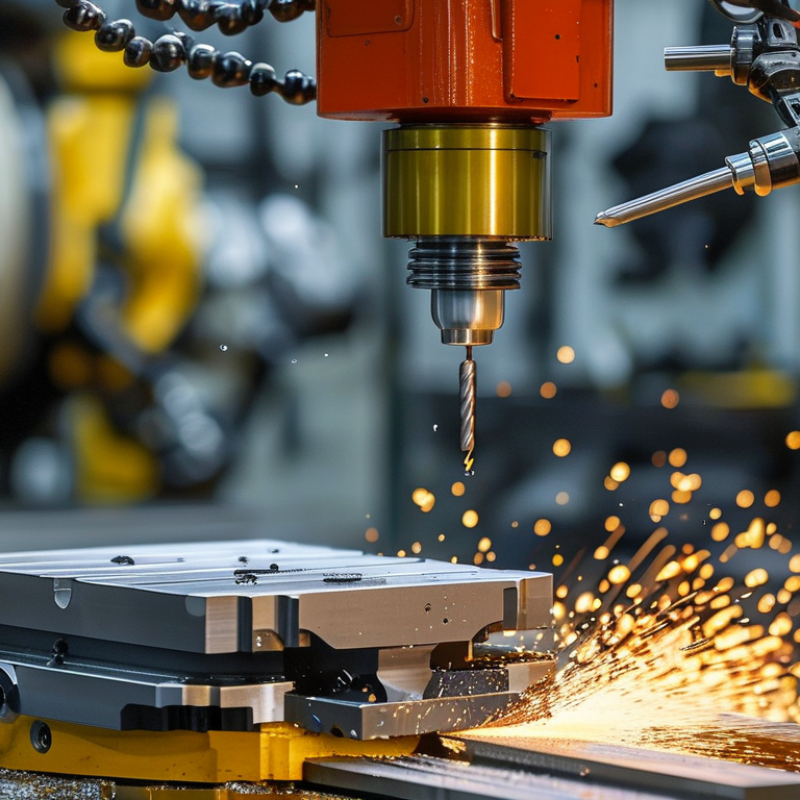
Custom milled parts play a crucial role in various industries. They provide precision and flexibility in manufacturing processes. Understanding how these parts are made can help buyers make informed decisions. The custom milling process involves the use of advanced machinery and skilled technicians. This combination ensures that parts meet specific dimensions and tolerances. According to a report by the Manufacturing Institute, precision machining contributes significantly to reducing waste and improving efficiency in production lines.
Buyers often overlook the importance of material selection in custom milling. Different materials can impact the durability and cost of the final product. For example, aluminum is light and corrosion-resistant, while steel offers strength. Many manufacturing experts recommend a detailed review of material properties before deciding. This ensures the right balance between performance and cost.
Regular communication with the milling provider is essential. Discussing expectations upfront can prevent misunderstandings. Be clear about deadlines, tolerances, and any special requirements. This proactive approach helps ensure that the final product aligns with your project goals. Remember, each milling project carries its own set of challenges, and being open to feedback is vital for continuous improvement.
| Benefit | Description | Cost Efficiency | Lead Time |
|---|---|---|---|
| Precision Manufacturing | Custom milled parts are made with high precision to meet specific requirements. | Reduces waste, optimizing material usage. | Shortened to meet project timelines. |
| Flexibility in Design | Ability to create complex shapes and designs not feasible with standard parts. | Tailored solutions can save costs over time. | Quick adjustments to design can be implemented. |
| Material Variety | Wide range of materials can be used to suit applications. | Choosing cost-effective materials can lower overall expenses. | Production can start swiftly, given material availability. |
| Quality Control | Enhanced quality assurance throughout the manufacturing process. | Consistency reduces the cost of defects. | Fast response to any quality issues. |
| Reduced Lead Time | Streamlined processes cut down manufacturing times. | Faster deliveries can improve cash flow. | Maintains competitive market presence. |
| Innovation Driven | Encourages new ideas and applications through customized solutions. | Innovative designs attract new customers. | Quick turnaround facilitates rapid deployment. |
| Scalability | Easily scalable production to adapt to changing demands. | Reduces costs during scale-up. | Flexible scheduling meets market needs. |
| Enhanced Performance | Parts are specifically constructed for optimal performance. | Better performance can translate to lower operational costs. | Quick modifications lead to improved efficiency. |
| Market Differentiation | Custom parts can help businesses stand out in the market. | Unique offerings enhance brand value. | Fast production facilitates market entry. |
Custom milled parts play a significant role in enhancing cost efficiency and reducing waste for global buyers. According to industry reports, the manufacturing sector wastes up to 20% of materials in traditional processes. Custom milling optimizes material usage, as it tailors parts to specific requirements. This precision means less excess material ends up in landfills.
Additionally, custom milled parts can significantly reduce production costs. A 2022 study by a leading manufacturing analytics firm indicated that companies utilizing custom milling services experienced an average cost reduction of 15%. This figure highlights the importance of adjusting design parameters to fit machining capabilities. It also showcases how adopting efficient practices can improve profit margins amid rising operational costs.
Despite these benefits, challenges exist. Not every design translates well into milled parts. Complex geometries sometimes lead to increased production time or higher costs. As buyers navigate these complexities, understanding the trade-offs becomes crucial. A miscalculated design can negate potential savings. Hence, maintaining clear communication with suppliers is essential for achieving the desired balance between precision and cost.
Custom milled parts play a crucial role in product innovation. They allow designers and engineers to create unique components tailored to specific requirements. This flexibility supports innovation by enabling the development of products that stand out in the market. Custom milled parts can accommodate intricate designs, making new concepts feasible. They often reduce lead times, which is essential in a fast-paced industry.
However, the path to successful custom milling is not always straightforward. Understanding the material properties and machining processes is vital. Communication between designers and manufacturers is key, yet it often falls short. Misalignments can lead to costly delays and reworks. Testing prototypes can reveal unexpected challenges. It's essential to reflect on these issues to refine the design process.
Additionally, custom parts can foster collaboration. They bring together diverse teams with different expertise. This collaboration often leads to unforeseen advancements. Yet, relying too heavily on one supplier or process may hinder adaptability. Diversified sourcing and continuous feedback loops are necessary for sustained innovation. Embracing these complexities ultimately enhances product development and leads to breakthroughs in design.
Custom milled parts play a vital role in achieving quality control and precision in manufacturing processes. The global custom milling market is projected to reach $6.06 billion by 2027, highlighting the increasing demand for tailored solutions. Buyers prioritize precision because even slight deviations can lead to significant operational issues. Effective quality control in milling ensures that parts adhere to exact specifications, reducing the likelihood of costly errors.
One key aspect is the implementation of advanced measurement techniques. According to a report from the American Society of Mechanical Engineers, 90% of manufacturing defects can be traced back to improper measurements. Hence, integrating technologies like CMM (Coordinate Measuring Machines) is essential. These tools allow manufacturers to inspect parts thoroughly and ensure they meet strict quality standards.
However, the process is not without challenges. Not all custom milling services can guarantee the same level of precision or consistency. Misalignment during setup can lead to variations in part dimensions. This illustrates the importance of choosing experienced manufacturers who understand these nuanced factors. Precision is crucial, but maintaining it throughout the production process requires constant vigilance and a commitment to ongoing improvement.
The demand for custom milled parts is increasing as industries adapt to changing market needs. According to a recent industry report, the global custom milling market is expected to grow at a CAGR of 5.8% between 2023 and 2028. This growth is driven by rising demands for precision manufacturing and tailored solutions across various sectors, including aerospace, automotive, and medical devices.
One notable trend is the shift towards smaller batch sizes. Many manufacturers now seek more flexible solutions, leading to changes in production techniques. This shift requires innovative milling technologies to cater to fluctuating demands. Companies are investing in CNC milling machines that can handle various materials. This allows them to produce custom parts efficiently while maintaining quality standards.
However, challenges remain. The increasing complexity of projects often leads to longer lead times. Some companies struggle with integrating advanced technology into existing workflows. Balancing customization with efficiency is not easy. Buyers must consider these factors when selecting suppliers. As the market evolves, staying informed about technological advancements is crucial for success.